Fourth time in two weeks I’d made this apple cider braised pork tenderloin, and this time I didn’t even bother measuring the cider. I just poured until it looked right, which is either confidence or laziness—honestly, probably both. The first attempt had been good but forgettable, the second was slightly dry (my fault, I walked away), and the third was when I finally understood what the pan was trying to tell me. By the fourth, I wasn’t following a recipe anymore. I was just cooking.
There’s something about pork tenderloin that tricks you into thinking it’s complicated. It’s lean, it’s elegant, and it’s expensive enough that you don’t want to mess it up. But braising it in apple cider changes everything. That gentle simmer in sweet-tart liquid turns a cut that usually demands precision into something almost forgiving. Almost. The meat stays tender, the cider reduces into this glossy, slightly sticky sauce that tastes like fall in a spoon, and the whole thing happens in one pan. One pan, forty-five minutes, and you’ve got dinner that feels like you fussed—even though you really didn’t.
This recipe stuck because it solved a problem I didn’t know I had. I wanted a pork dinner that felt special but didn’t require me to babysit a thermometer or break out the roasting rack. Something that smelled like Sunday but came together on a Tuesday. The apple cider braised pork tenderloin does exactly that, and once you make it, you’ll probably make it four times in two weeks too. Don’t worry, I won’t judge.
Why You’ll Love This Recipe
I’ve tested this recipe more times than I’m willing to admit, and I can tell you with confidence—this is the version that works. It’s not fussy, it’s not fancy, and it doesn’t require a culinary degree. Here’s why you’ll keep coming back to it:
- Quick & Easy: From start to finish, this apple cider braised pork tenderloin is on the table in about 45 minutes. That’s fast enough for a weeknight but impressive enough for company.
- Simple Ingredients: You probably already have apple cider in your fridge this time of year. The rest is pantry staples—onion, garlic, thyme, butter. No special trips to the store.
- Perfect for Fall: This is the kind of meal that makes you want to light a candle and pour a glass of wine. It’s cozy, warming, and tastes like everything good about autumn.
- Crowd-Pleaser: I’ve served this to picky eaters, pork skeptics, and people who “don’t really like fruit with meat.” Every single plate came back clean.
- Unbelievably Tender: The braising method keeps the pork juicy and fork-tender, with a sauce that’s rich enough to coat every slice without being heavy.
What makes this recipe different from the rest? It’s the balance. Most braised pork recipes go heavy on the cider, and you end up with something too sweet or too watery. This one nails the ratio—just enough liquid to keep the meat moist while it cooks, and a quick reduction at the end that concentrates the apple flavor without turning it into syrup. The result is savory first, sweet second, with a little tang from the cider that cuts through the richness. It’s the kind of dish that makes you close your eyes after the first bite, not because it’s fancy, but because it tastes exactly right.
What Ingredients You Will Need
This recipe uses simple, honest ingredients to build deep flavor without a lot of fuss. Most of these are things you’ll already have on hand, especially if you’re cooking in the fall. Here’s what you’ll need:
- Pork tenderloin (1 to 1.5 pounds): Look for a tenderloin that’s evenly shaped so it cooks uniformly. I prefer buying from a local butcher when I can, but grocery store packs work just fine. Trim off the silver skin for best results.
- Apple cider (1 ½ cups): Not apple juice—apple cider has more body and a tangier, less sweet flavor. If you can find fresh-pressed cider at a farmers market, use it. Otherwise, any good quality unfiltered cider works.
- Yellow onion (1 medium, sliced): The onion softens into the sauce as it braises, adding sweetness and depth. Don’t skip it—it’s not just a flavor base, it’s part of the final dish.
- Garlic (3 cloves, smashed): Smashing instead of mincing keeps the garlic from burning while still releasing its flavor into the cider.
- Fresh thyme (4-5 sprigs): Thyme and apple are a classic pairing. If you only have dried, use about 1 teaspoon, but fresh really does make a difference here.
- Butter (2 tablespoons, unsalted): Adds richness and helps the sauce come together at the end. If you use salted butter, just adjust your final seasoning.
- Olive oil (1 tablespoon): For searing the pork. Any neutral oil works, but olive oil adds a little flavor.
- Salt and black pepper: Don’t be shy with the seasoning. Pork tenderloin needs a good amount of salt to bring out its flavor.
- Dijon mustard (1 tablespoon, optional): This is my secret weapon. A spoonful stirred into the sauce at the end cuts through the sweetness and adds a subtle tang that balances everything. Try it once, you’ll never skip it.
Ingredient tip: If you can’t find fresh apple cider, you can substitute a good quality unfiltered apple juice mixed with a squeeze of lemon juice to mimic that tang. It won’t be exactly the same, but it’ll still be delicious.
Equipment Needed
You don’t need a lot of fancy gear for this recipe, which is part of the appeal. Here’s what you’ll need:
- Large heavy-bottomed skillet or Dutch oven: A 12-inch cast iron skillet is my go-to for this recipe. It holds heat well and gives you a good sear. A stainless steel pan works too, and a Dutch oven is perfect if you have one.
- Tongs: For flipping the pork and handling the onion slices. A good pair of tongs makes everything easier.
- Meat thermometer: This is non-negotiable for pork tenderloin. It’s the only way to guarantee perfectly cooked meat without guessing. I use an instant-read thermometer and it’s saved me from dry pork more times than I can count.
- Cutting board and sharp knife: For trimming the pork and slicing the onion. A sharp knife makes prep faster and safer.
- Wooden spoon or spatula: For scraping up the browned bits from the pan—that’s where a lot of the flavor lives.
Budget-friendly tip: If you don’t have a Dutch oven, a deep skillet with a lid works just fine. If your skillet doesn’t have a lid, you can cover it tightly with aluminum foil. It’s not fancy, but it works.
Preparation Method
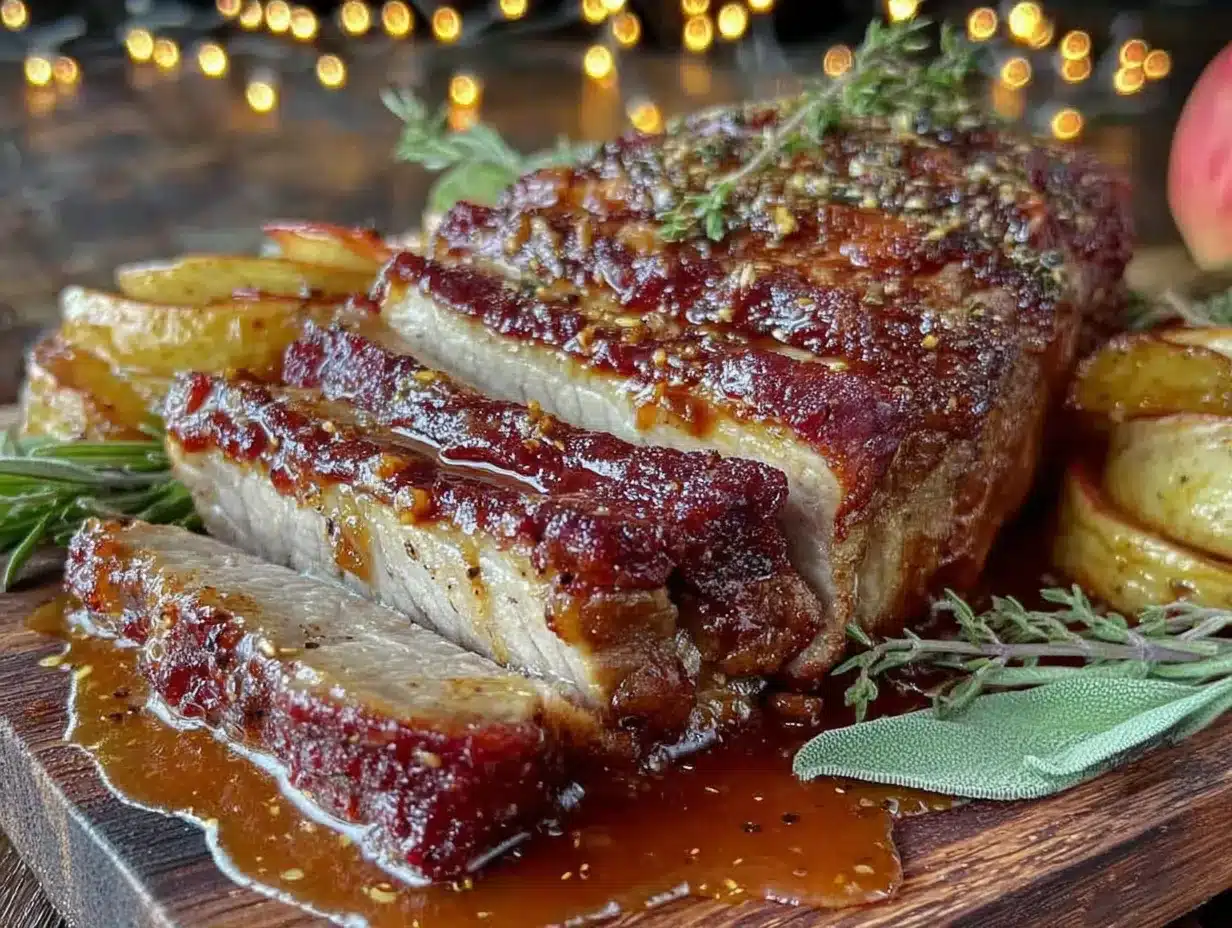
Let’s get cooking. This method is straightforward, but I’ve added some notes from my own trials so you can avoid the mistakes I made.
- Prep the pork. Pat the pork tenderloin dry with paper towels. This is important—moisture is the enemy of a good sear. Trim off any silver skin (that thin, silvery membrane on the outside) using a sharp knife. Season generously on all sides with salt and black pepper. Don’t be shy here; pork tenderloin is lean and needs a good amount of seasoning.
- Sear the pork. Heat 1 tablespoon of olive oil and 1 tablespoon of butter in your large skillet or Dutch oven over medium-high heat. Once the butter is foaming and the oil is shimmering, carefully place the pork tenderloin in the pan. Sear for 3-4 minutes per side, until deeply golden brown. Don’t move it around—let it sit and develop that crust. You’re looking for a color that’s rich and dark, not just pale tan. Transfer the seared pork to a plate and set aside.
- Cook the aromatics. Reduce the heat to medium. Add the sliced onion to the pan and cook for 4-5 minutes, stirring occasionally, until softened and starting to brown around the edges. Scrape up any browned bits from the bottom of the pan as the onion releases its moisture—that’s liquid gold. Add the smashed garlic cloves and cook for another minute until fragrant.
- Deglaze the pan. Pour in 1 ½ cups of apple cider, using your wooden spoon to scrape up every last bit of browned goodness from the bottom of the pan. Add the fresh thyme sprigs. Bring the liquid to a simmer.
- Braise the pork. Return the seared pork tenderloin to the pan, nestling it into the liquid. The cider should come about halfway up the sides of the pork—if it doesn’t, add a splash more. Reduce the heat to low, cover the pan, and let it simmer gently for 20-25 minutes. Check the temperature after 20 minutes using your meat thermometer; you’re looking for 140-145°F (60-63°C) in the thickest part. Remember, the pork will continue cooking slightly as it rests.
- Rest the pork. Transfer the pork to a cutting board and tent it loosely with foil. Let it rest for 5-10 minutes. This step is crucial—it lets the juices redistribute so every slice is moist and tender. Don’t skip it, even if you’re hungry.
- Finish the sauce. While the pork rests, turn the heat up to medium-high and let the cider mixture simmer uncovered for 3-5 minutes until it reduces and thickens slightly. Stir in the remaining 1 tablespoon of butter and the Dijon mustard (if using). Taste and adjust seasoning with salt and pepper. Remove the thyme sprigs and the smashed garlic cloves.
- Slice and serve. Slice the pork tenderloin into ½-inch thick medallions. Arrange them on a platter or individual plates and spoon the sauce and onions over the top. Serve immediately.
Visual cue: The sauce is ready when it coats the back of a spoon and leaves a trail when you drag your finger through it. It should be glossy and rich, not watery.
Cooking Tips & Techniques
I’ve made this apple cider braised pork tenderloin enough times to know where things can go wrong. Here’s what I’ve learned the hard way:
- Don’t rush the sear. That golden-brown crust isn’t just for looks—it adds layers of savory flavor that balance the sweetness of the cider. If your pork is pale after searing, you didn’t go long enough. Patience pays off here.
- Watch the temperature. Pork tenderloin is lean and cooks fast. Overcooking is the most common mistake. I aim for 140°F (60°C) on the thermometer before resting, and it comes up to a perfect 145°F (63°C) while it rests. Anything above 150°F (66°C) and you’re heading into dry territory.
- Use a lid. The braise needs a covered pan to trap steam and keep the pork moist. If your lid doesn’t fit tightly, use foil to create a seal. I learned this the hard way when my first attempt came out dry because too much steam escaped.
- Taste the sauce before serving. Apple ciders vary in sweetness and acidity. Some are almost tart, others are very sweet. Taste your finished sauce and adjust accordingly—a squeeze of lemon if it’s too sweet, a pinch of sugar if it’s too tart.
- Multitask smartly. While the pork braises, you have 20 minutes of hands-off time. Use it to make a side dish—mashed potatoes, roasted vegetables, or a simple green salad all work beautifully. I often roast some Brussels sprouts in the oven while the pork simmers.
Variations & Adaptations
This recipe is flexible, and I’ve tried several variations over the weeks. Here are some of my favorites:
- Herb swap: If you don’t have fresh thyme, try rosemary or sage. Rosemary adds a piney, aromatic note that pairs beautifully with apple. Sage gives it a more earthy, almost breakfast-y flavor. Use about 2 sprigs of rosemary or 3-4 fresh sage leaves.
- Add some heat: For a spicier version, add a pinch of red pepper flakes along with the garlic. The heat cuts through the sweetness of the cider and adds a nice kick without overwhelming the dish.
- Make it dairy-free: Substitute the butter with a good quality olive oil or a plant-based butter. The sauce will be slightly less rich, but still delicious. I’ve tried this with a vegan butter and it worked surprisingly well.
- Apple addition: For extra apple flavor, add one diced apple (like Honeycrisp or Fuji) to the pan along with the onion. It softens during the braise and adds little pockets of sweet, tender fruit throughout the sauce.
- Slow cooker adaptation: Sear the pork and cook the onions in a skillet first, then transfer everything to a slow cooker. Add the cider and cook on low for 4-5 hours or on high for 2-3 hours. The texture will be even more fall-apart tender, though you’ll lose some of the sauce concentration—just simmer it on the stovetop after to reduce it.
I personally love the version with the added apple. It feels like fall in a bowl, and the little chunks of softened apple are a happy surprise in every bite.
Serving & Storage Suggestions
This apple cider braised pork tenderloin is versatile enough for a casual family dinner or a cozy dinner party. Here’s how to serve and store it:
- Serving temperature: Serve the pork warm, straight from the pan. The sauce should be hot and glossy when you spoon it over the sliced meat.
- What to serve with it: Mashed potatoes are the classic choice—they soak up the sauce beautifully. Roasted butternut squash, creamy polenta, or crusty bread for dipping are also excellent. For a lighter option, try a simple arugula salad with a lemon vinaigrette to cut through the richness.
- Presentation tip: Arrange the sliced pork medallions in a slight overlap on a warm platter. Spoon the onions and sauce over the top, and garnish with a few fresh thyme leaves for color. It looks impressive with almost no extra effort.
- Storage: Store any leftovers in an airtight container in the refrigerator for up to 3 days. The pork will absorb more flavor from the sauce as it sits, so leftovers are often even better the next day.
- Reheating: Reheat gently in a covered skillet over low heat with a splash of water or apple cider to loosen the sauce. Microwave works in a pinch, but it can dry out the pork. I prefer the stovetop method for the best texture.
- Freezing: This dish freezes well. Place the sliced pork and sauce in a freezer-safe container and freeze for up to 3 months. Thaw overnight in the refrigerator before reheating.
Flavor note: The sauce thickens as it sits in the fridge. When you reheat it, it will be even more concentrated and flavorful—almost like a savory apple jam. It’s one of those happy accidents that makes leftovers feel special.
Nutritional Information & Benefits
This apple cider braised pork tenderloin is a balanced, nutrient-dense meal that fits into a variety of eating patterns. Here’s a rough breakdown per serving (based on 4 servings, without sides):
- Calories: Approximately 320-350 per serving
- Protein: 30-35g
- Fat: 15-18g
- Carbohydrates: 12-15g (mostly from the apple cider and onion)
- Fiber: 1-2g
- Sugar: 8-10g (natural sugars from apple cider)
Health benefits: Pork tenderloin is one of the leanest cuts of pork, making it a great source of high-quality protein without excessive saturated fat. Apple cider is rich in antioxidants and contains small amounts of vitamin C and potassium. Onions and garlic are both known for their anti-inflammatory properties and immune-supporting compounds. This dish is naturally gluten-free and can easily be made dairy-free with a simple butter swap. It’s also relatively low in carbs, making it a good option for those watching their carbohydrate intake.
I love that this recipe feels indulgent but is actually quite wholesome. It’s the kind of meal that satisfies your craving for comfort food without leaving you feeling heavy or sluggish.
Conclusion
This apple cider braised pork tenderloin has earned a permanent spot in my fall dinner rotation, and I have a feeling it’ll do the same in yours. It’s one of those rare recipes that feels both special and simple—the kind of meal you can make on a random Tuesday and still feel like you’ve accomplished something. The pork stays tender, the sauce is rich and tangy, and the whole thing comes together in one pan with minimal fuss.
What I love most about this recipe is how adaptable it is. You can make it exactly as written, or you can tweak it to suit your tastes—add an apple, swap the herbs, turn up the heat. It’s forgiving enough for a beginner and satisfying enough for an experienced cook. That’s the mark of a great recipe, if you ask me.
I’d love to hear how yours turns out. Did you add anything? Change the herbs? Serve it with something unexpected? Drop a comment below and let me know. And if you’re looking for another cozy fall recipe, you might enjoy my mini lemon blueberry cheesecakes for a sweet finish, or browse more ideas on the recipes page. Happy cooking, and don’t forget to save this one for later!
Frequently Asked Questions
Can I use apple juice instead of apple cider?
Yes, but the flavor will be different. Apple juice is sweeter and less tangy than apple cider. If you use apple juice, add a squeeze of fresh lemon juice to mimic that tartness, and expect a slightly sweeter final sauce. It’s still good, just not quite the same.
How do I know when the pork is done without a thermometer?
I really recommend using a meat thermometer for pork tenderloin—it’s the only reliable way to avoid overcooking. But if you don’t have one, look for these signs: the meat should feel firm but still have a little give when pressed, and the juices should run clear when you pierce the thickest part. When in doubt, err on the side of undercooked—you can always cook it a few more minutes.
Can I make this recipe ahead of time?
Absolutely. You can braise the pork a day ahead, let it cool in the sauce, and store it in the refrigerator. When you’re ready to serve, slice the pork and reheat it gently in the sauce over low heat. The flavors actually get better overnight as the pork soaks up more of that apple cider goodness.
What if my sauce is too thin?
If your sauce hasn’t thickened enough after reducing, you have two options. You can simmer it a few minutes longer to concentrate it further, or you can stir in a slurry made from 1 teaspoon cornstarch mixed with 1 tablespoon cold water. Whisk it into the simmering sauce and it will thicken almost immediately. I prefer the first option for better flavor concentration, but the slurry works in a pinch.
Can I use pork loin instead of tenderloin?
You can, but the cooking time will be different. Pork loin is a larger, thicker cut that takes longer to cook through. You’ll need to increase the braising time to 30-40 minutes, and the meat will be slightly less tender than tenderloin. If you use pork loin, slice it against the grain for the most tender result. Personally, I stick with tenderloin for the best texture and faster cooking time.
Pin This Recipe!

Tender Apple Cider Braised Pork Tenderloin: Best Easy Dinner

This apple cider braised pork tenderloin is a quick and easy one-pan dinner that’s perfect for fall. The pork stays tender and juicy, with a rich, tangy sauce that tastes like autumn in a spoon.
- Prep Time: 10 minutes
- Cook Time: 35 minutes
- Total Time: 45 minutes
- Yield: 4 servings 1x
- Category: Main Course
- Cuisine: American
Ingredients
- 1 to 1.5 pounds pork tenderloin
- 1 ½ cups apple cider
- 1 medium yellow onion, sliced
- 3 cloves garlic, smashed
- 4–5 sprigs fresh thyme
- 2 tablespoons unsalted butter
- 1 tablespoon olive oil
- Salt and black pepper to taste
- 1 tablespoon Dijon mustard (optional)
Instructions
- Prep the pork. Pat the pork tenderloin dry with paper towels. Trim off any silver skin using a sharp knife. Season generously on all sides with salt and black pepper.
- Sear the pork. Heat 1 tablespoon of olive oil and 1 tablespoon of butter in a large skillet or Dutch oven over medium-high heat. Once the butter is foaming and the oil is shimmering, carefully place the pork tenderloin in the pan. Sear for 3-4 minutes per side, until deeply golden brown. Transfer the seared pork to a plate and set aside.
- Cook the aromatics. Reduce the heat to medium. Add the sliced onion to the pan and cook for 4-5 minutes, stirring occasionally, until softened and starting to brown around the edges. Scrape up any browned bits from the bottom of the pan. Add the smashed garlic cloves and cook for another minute until fragrant.
- Deglaze the pan. Pour in 1 ½ cups of apple cider, using a wooden spoon to scrape up every last bit of browned goodness from the bottom of the pan. Add the fresh thyme sprigs. Bring the liquid to a simmer.
- Braise the pork. Return the seared pork tenderloin to the pan, nestling it into the liquid. The cider should come about halfway up the sides of the pork—if it doesn’t, add a splash more. Reduce the heat to low, cover the pan, and let it simmer gently for 20-25 minutes. Check the temperature after 20 minutes using a meat thermometer; you’re looking for 140-145°F (60-63°C) in the thickest part.
- Rest the pork. Transfer the pork to a cutting board and tent it loosely with foil. Let it rest for 5-10 minutes.
- Finish the sauce. While the pork rests, turn the heat up to medium-high and let the cider mixture simmer uncovered for 3-5 minutes until it reduces and thickens slightly. Stir in the remaining 1 tablespoon of butter and the Dijon mustard (if using). Taste and adjust seasoning with salt and pepper. Remove the thyme sprigs and the smashed garlic cloves.
- Slice and serve. Slice the pork tenderloin into ½-inch thick medallions. Arrange them on a platter or individual plates and spoon the sauce and onions over the top. Serve immediately.
Notes
Don’t rush the sear; it adds layers of savory flavor. Use a meat thermometer to avoid overcooking—aim for 140°F before resting. Taste the sauce before serving and adjust sweetness or acidity as needed. The sauce thickens as it sits in the fridge, making leftovers even more flavorful.
Nutrition
- Serving Size: 1 serving (about 4-5
- Calories: 335
- Sugar: 9
- Sodium: 450
- Fat: 16.5
- Saturated Fat: 6
- Carbohydrates: 13.5
- Fiber: 1.5
- Protein: 32.5
Keywords: apple cider braised pork tenderloin, easy pork dinner, fall pork recipe, one-pan pork tenderloin, braised pork tenderloin