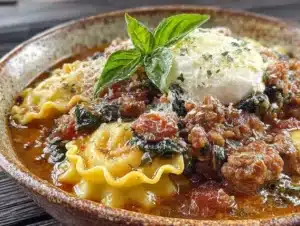
I figured garlic scapes would taste like a mild, grassy version of garlic. It took about five minutes in my blender for that assumption to flip entirely upside down. What actually happened was this bright, punchy, herbaceous pesto that somehow felt fresher and more alive than your usual basil batch. The toasted pine nuts added a nuttiness that surprised me — not just a background note but a crunchy, warm contrast that made every bite linger. You know that moment when a simple ingredient turns a whole dish on its head? That was this pesto for me.
The first time I tried making fresh garlic scape pesto with toasted pine nuts and Parmesan, I was knee-deep in spring harvests, trying to make sense of the long curly stalks cluttering my kitchen counter. The scapes looked like a nuisance — awkwardly long, a little tough. But once I chopped, toasted, and blended them into this vibrant sauce, it quickly became my go-to for everything from quick dinners to last-minute guest snacks. Honestly, it’s one of those recipes that sneaks up on you with flavor and ease, and you find yourself reaching for it regularly. This recipe stuck because it’s practical, delicious, and honestly, a little bit magical in how it turns humble garlic scapes into something so much more.
There’s a certain satisfaction in making something fresh that feels like a secret weapon in the kitchen — and this pesto is just that. It’s the kind of sauce that brightens up a simple pasta or makes a plain sandwich sing. Plus, it’s a perfect way to use up those garlic scapes that might otherwise get tossed. So, if you’re curious about this fresh garlic scape pesto recipe with toasted pine nuts and Parmesan, you’re in the right place — let’s get to the good stuff.
Why You’ll Love This Fresh Garlic Scape Pesto Recipe
After experimenting with this fresh garlic scape pesto many times, I can say it’s a winner for several reasons. You’ll find it:
- Quick & Easy: Ready in under 15 minutes — perfect when you want something fresh but don’t have all day.
- Simple Ingredients: Uses pantry staples plus garlic scapes, which are seasonal and easy to find at farmers’ markets or grocery stores in spring.
- Perfect for Spring and Summer Meals: Great for light dinners, picnics, or adding brightness to a weeknight pasta.
- Crowd-Pleaser: Even folks who aren’t garlic fans tend to love this pesto because it’s milder and more herbaceous than raw garlic.
- Unbelievably Delicious: The toasted pine nuts bring a toasty crunch that pairs beautifully with the fresh sharpness of the Parmesan and the vibrant garlic scapes.
This isn’t your typical pesto. The special touch here is the use of fresh garlic scapes instead of basil—giving it a unique flavor profile that’s both familiar and new. Toasting the pine nuts before blending adds a depth that’s easy to miss if you skip that step, but trust me — it’s worth the extra minute or two. Plus, I often swap out the traditional olive oil for a mix with a touch of walnut oil when I want a nuttier character, which makes this pesto feel even more special.
Honestly, this recipe is the kind that makes you pause halfway through your meal and think, “Did I really just make this from garlic stalks?” It’s fresh, bright, and surprisingly versatile — the kind of sauce that turns dinner from routine to memorable without fuss or fancy ingredients.
What Ingredients You Will Need
This fresh garlic scape pesto recipe uses simple, wholesome ingredients that come together to deliver bold flavor and satisfying texture without any fuss. Most of these are pantry staples, except for the garlic scapes, which are seasonal but worth hunting down if you can.
- Garlic scapes: About 1 cup, chopped (roughly 8-10 scapes). These curly green stalks have a milder garlic flavor and a crisp texture. Look for firm, fresh scapes without any wilted spots.
- Toasted pine nuts: ½ cup (70 grams). Toasting brings out a rich, buttery aroma. I prefer Starkey brand for consistent quality.
- Parmesan cheese: ½ cup, freshly grated (about 50 grams). Freshly grated Parmesan melts and blends better — skip the pre-grated stuff if you can.
- Extra virgin olive oil: ½ cup (120 ml). Use a fruity, peppery olive oil for best flavor.
- Lemon juice: 1 tablespoon (15 ml), fresh-squeezed. Adds brightness and balances the garlic.
- Salt: ½ teaspoon, or to taste.
- Black pepper: Freshly ground, about ¼ teaspoon.
Optional add-ins:
- A handful of fresh basil leaves for an herby twist.
- A sprinkle of red pepper flakes for a subtle kick.
- Swap pine nuts with walnuts or almonds if preferred or for budget-friendly options.
You don’t need anything fancy here — just fresh ingredients and a bit of patience. If you’re interested in more recipes using fresh seasonal ingredients, you might enjoy browsing other seasonal recipes on this site.
Equipment Needed
- Food processor or high-speed blender: Essential for blending the pesto to the right texture. I’ve tried both, and a food processor gives a nice coarse finish, while a blender makes it ultra-smooth.
- Small skillet: For toasting pine nuts. Keep an eye on them—they burn quickly!
- Measuring cups and spoons: For precise ingredient amounts.
- Microplane grater: Ideal for grating fresh Parmesan cheese finely.
- Rubber spatula: To scrape down the sides of the processor and ensure even mixing.
If you don’t have a food processor, a sturdy blender can work, but pulse carefully to avoid overheating the garlic scapes, which can turn bitter. For pine nuts, I recommend dry toasting over medium heat until golden and fragrant — it only takes 2-3 minutes, but don’t walk away!
Preparation Method
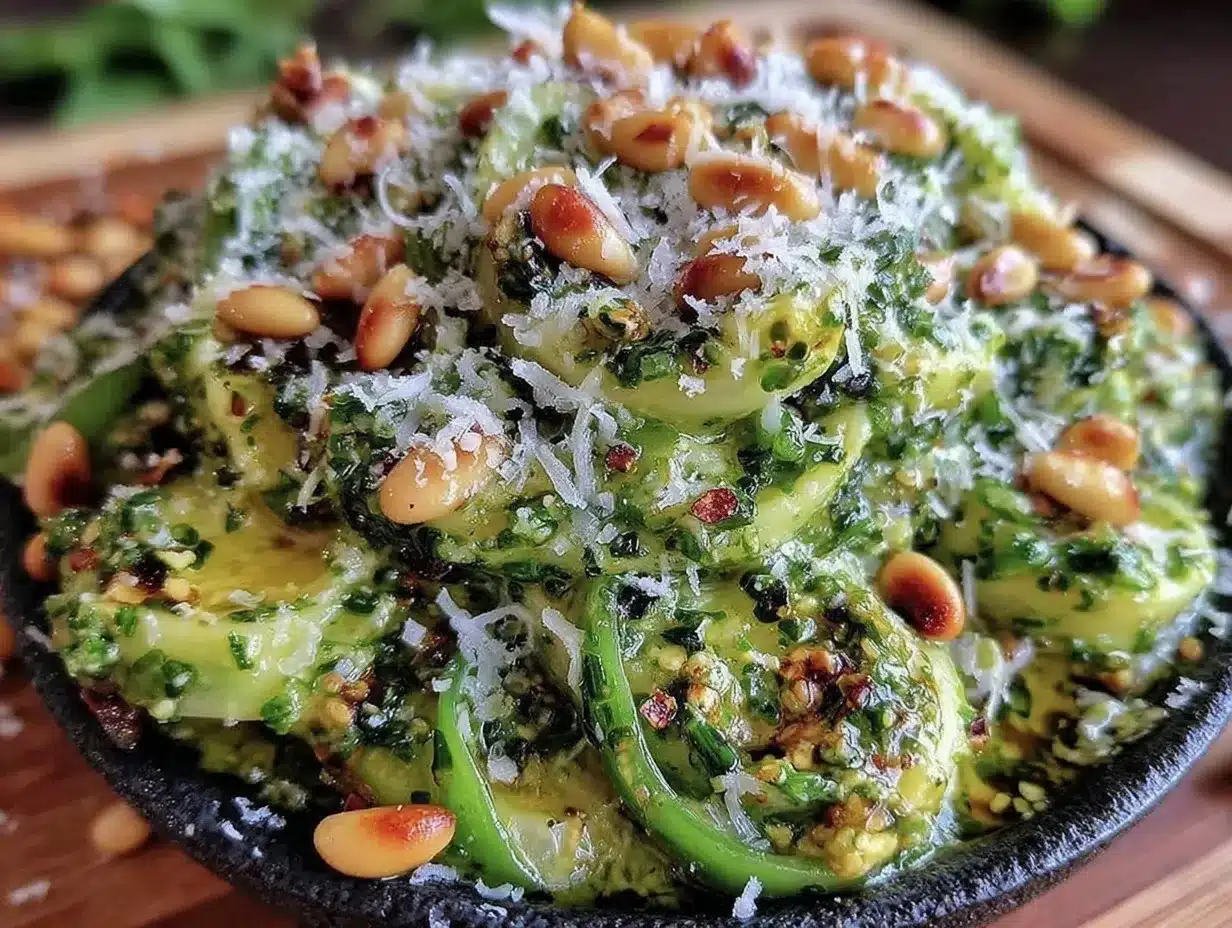
- Prepare the garlic scapes: Rinse and pat dry about 1 cup chopped garlic scapes (8-10 scapes). Chop into roughly 1-inch pieces for easier blending. This step takes about 5 minutes.
- Toast the pine nuts: Heat a small dry skillet over medium heat. Add ½ cup pine nuts and toast, stirring frequently, for 2-3 minutes until golden and aromatic. Remove from heat immediately to prevent burning. Cool for a few minutes.
- Grate the Parmesan: Use a microplane or fine grater to get about ½ cup freshly grated Parmesan (50 grams). Fresh grating is key here for texture and flavor.
- Combine ingredients in the food processor: Add the chopped garlic scapes, toasted pine nuts, grated Parmesan, 1 tablespoon fresh lemon juice, ½ teaspoon salt, and ¼ teaspoon freshly ground black pepper to the processor bowl.
- Pulse to combine: Pulse several times to roughly chop the ingredients together — about 5-6 quick pulses.
- Slowly stream in the olive oil: With the processor running, drizzle in ½ cup (120 ml) extra virgin olive oil. Continue blending until you reach your desired consistency — usually 30-45 seconds. The pesto should be smooth but still have some texture.
- Taste and adjust: Check seasoning. Add more salt, lemon juice, or pepper if needed. If the pesto feels too thick, add a teaspoon or two of water or more olive oil until it loosens slightly.
- Store or serve: Transfer to a clean jar or bowl. Cover tightly if storing. Best used within 3-4 days refrigerated.
Tip: If you want a chunkier pesto, pulse less. For a silkier sauce, blend longer. Watch the pine nuts carefully while toasting — burnt nuts will ruin the flavor.
Cooking Tips & Techniques
Here are some tips from my kitchen trials to make your garlic scape pesto the best it can be:
- Don’t skip toasting the pine nuts. Raw pine nuts are bland and a bit waxy. Toasting unlocks their nutty, buttery richness — a game changer.
- Use fresh garlic scapes. Older or limp scapes will taste bitter or woody. Fresh ones have a crisp snap and vibrant flavor.
- Grate Parmesan fresh. Pre-grated cheese often contains anti-caking agents that affect texture and melt. Fresh grating blends better and tastes cleaner.
- Pulse, don’t blend continuously. Blending too long can heat the scapes, turning the pesto bitter. Use short pulses and scrape down the sides.
- Adjust oil slowly. Adding olive oil bit by bit lets you control thickness. Too much oil can overpower the garlic scapes’ brightness.
- Store properly. Cover the pesto with a thin layer of olive oil to prevent browning if you’re not using it right away.
I once blitzed the pesto too long and ended up with a bitter, borderline unpleasant sauce — lesson learned! Also, multitasking by toasting pine nuts while chopping scapes saved me some time. This pesto is forgiving but benefits from attention to detail.
Variations & Adaptations
This fresh garlic scape pesto is a great foundation to play with — here are some ideas to mix it up:
- Basil-Garlic Scape Pesto: Add a handful of fresh basil leaves for a hybrid flavor that’s more familiar but still unique.
- Nut Variations: Swap pine nuts with toasted walnuts, almonds, or pecans for a different nutty profile and texture.
- Vegan Version: Replace Parmesan with nutritional yeast and use a neutral oil like avocado oil for a dairy-free, vegan pesto.
- Spicy Kick: Add a pinch of red pepper flakes or a small diced jalapeño to the blender for some heat.
- Roasted Garlic Scape Pesto: Roast the garlic scapes lightly before blending for a sweeter, mellow flavor.
Once, I tried swapping the pine nuts for toasted sunflower seeds when I ran out — it worked surprisingly well and made the pesto more budget-friendly. Also, this pesto pairs beautifully with grilled chicken or as a sauce for light lemony desserts that balance its herbaceous punch.
Serving & Storage Suggestions
Serve this fresh garlic scape pesto tossed with pasta, spread on toasted bread, or dolloped over grilled veggies. It’s fantastic warm or at room temperature. A drizzle of extra olive oil on top and a few pine nuts make for a nice finishing touch when serving.
For storage, keep pesto in an airtight container in the fridge for up to 4 days. A thin layer of olive oil on the surface helps slow browning. You can also freeze pesto in ice cube trays for individual portions — thaw quickly by placing cubes directly into warm pasta or sauces.
Reheating gently on low heat or stirring into hot dishes preserves its fresh flavor best. Overheating can dull the bright garlic and lemon notes.
The flavors of this pesto tend to deepen overnight, making it even better the next day. I often make it ahead and find it develops a lovely mellow complexity.
Nutritional Information & Benefits
This fresh garlic scape pesto is a nutrient-rich addition to your meals. A 2-tablespoon (30g) serving generally contains:
| Calories | 140 kcal |
|---|---|
| Fat | 14 g (mostly healthy fats from olive oil and pine nuts) |
| Protein | 3 g |
| Carbohydrates | 1 g |
| Fiber | 0.5 g |
Garlic scapes provide vitamin C and antioxidants, while pine nuts contribute heart-healthy monounsaturated fats and minerals like magnesium. Parmesan adds protein and calcium.
This pesto is naturally gluten-free and low-carb, making it suitable for many diets. Just watch for nut allergies and dairy if serving to sensitive eaters.
From a wellness perspective, making your own pesto means you control salt levels and avoid preservatives — plus, the fresh ingredients pack more flavor and nutrition than store-bought sauces.
Conclusion
This fresh garlic scape pesto recipe with toasted pine nuts and Parmesan is a simple, flavorful way to turn seasonal ingredients into something truly special. It’s straightforward to make, adaptable, and a real crowd-pleaser that brings a fresh twist to your table.
Whether you’re new to cooking with garlic scapes or a seasoned pesto fan, this recipe offers room to customize and experiment according to your taste. For me, it’s become a reliable kitchen companion that brings a little joy and brightness to everyday meals.
Give it a try, tweak it as you like, and don’t forget to share your adaptations — I’d love to hear how you make it your own!
Frequently Asked Questions
What do garlic scapes taste like?
Garlic scapes taste like a milder, fresher version of garlic with a slight green, herbaceous note. They’re less sharp than garlic cloves and have a crisp texture.
Can I use basil instead of garlic scapes?
You can substitute basil, but the flavor will be quite different. Garlic scapes give a unique garlicky punch that basil can’t replicate.
How long does homemade pesto last?
Stored in an airtight container with a layer of olive oil on top, pesto lasts about 3-4 days in the fridge. You can also freeze it for up to 3 months.
What can I use this pesto on?
It’s great tossed with pasta, spread on bread, drizzled over grilled meats or veggies, or used as a dip.
Are pine nuts necessary?
They add essential flavor and texture, but you can substitute with toasted walnuts, almonds, or sunflower seeds if needed.
Pin This Recipe!
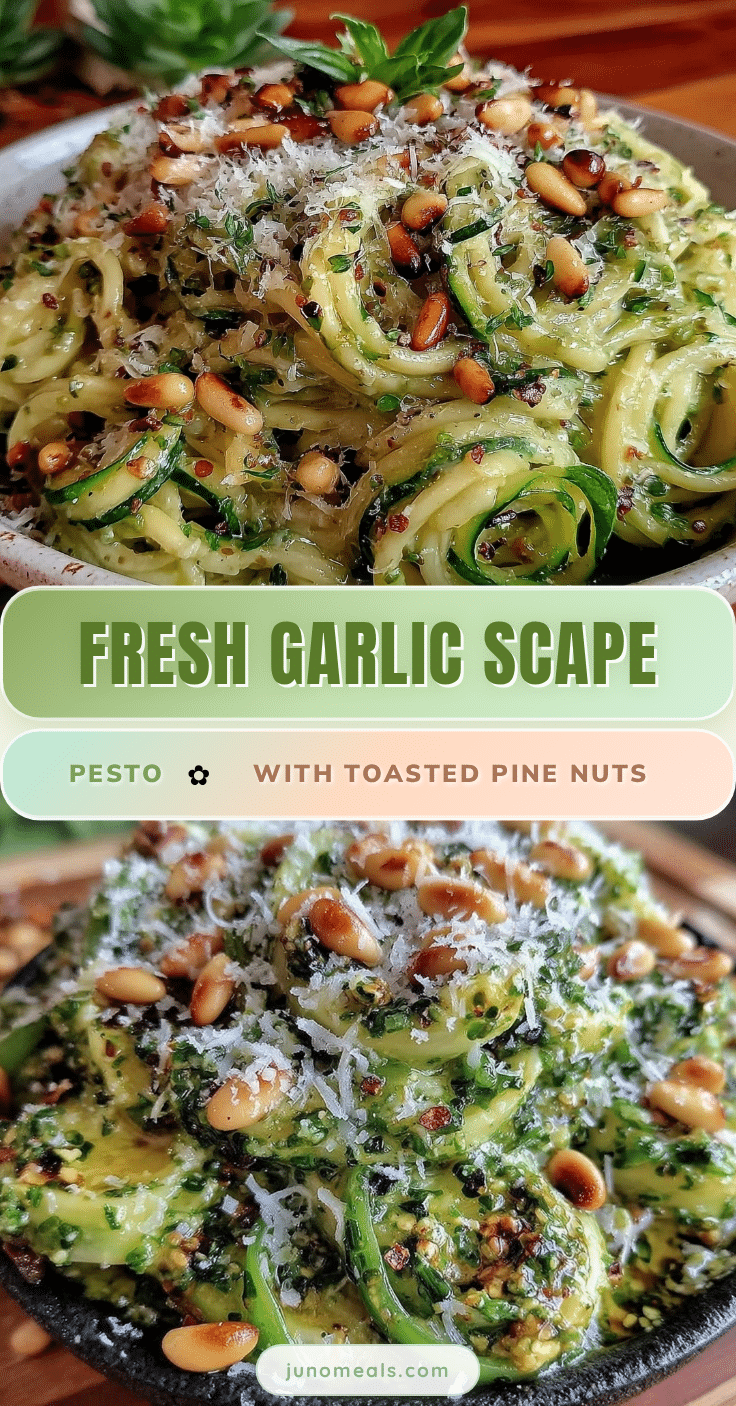
Fresh Garlic Scape Pesto Recipe with Toasted Pine Nuts and Parmesan
A bright, punchy, herbaceous pesto made from fresh garlic scapes, toasted pine nuts, and Parmesan cheese. This easy homemade pesto is perfect for spring and summer meals, adding fresh flavor to pasta, sandwiches, and more.
- Prep Time: 10 minutes
- Cook Time: 5 minutes
- Total Time: 15 minutes
- Yield: About 1 cup pesto (approximately 8 servings at 2 tablespoons each) 1x
- Category: Sauce
- Cuisine: American
Ingredients
- 1 cup chopped garlic scapes (about 8–10 scapes)
- ½ cup toasted pine nuts (70 grams)
- ½ cup freshly grated Parmesan cheese (about 50 grams)
- ½ cup extra virgin olive oil (120 ml)
- 1 tablespoon fresh lemon juice (15 ml)
- ½ teaspoon salt, or to taste
- ¼ teaspoon freshly ground black pepper
- Optional: handful of fresh basil leaves
- Optional: sprinkle of red pepper flakes
- Optional: substitute pine nuts with toasted walnuts, almonds, or sunflower seeds
Instructions
- Rinse and pat dry about 1 cup chopped garlic scapes (8-10 scapes). Chop into roughly 1-inch pieces for easier blending. This takes about 5 minutes.
- Heat a small dry skillet over medium heat. Add ½ cup pine nuts and toast, stirring frequently, for 2-3 minutes until golden and aromatic. Remove from heat immediately to prevent burning. Cool for a few minutes.
- Grate about ½ cup freshly grated Parmesan cheese using a microplane or fine grater.
- Add chopped garlic scapes, toasted pine nuts, grated Parmesan, 1 tablespoon fresh lemon juice, ½ teaspoon salt, and ¼ teaspoon freshly ground black pepper to a food processor or high-speed blender.
- Pulse several times (about 5-6 quick pulses) to roughly chop the ingredients together.
- With the processor running, slowly drizzle in ½ cup (120 ml) extra virgin olive oil. Continue blending for 30-45 seconds until the pesto reaches desired consistency—smooth but with some texture.
- Taste and adjust seasoning with more salt, lemon juice, or pepper if needed. If too thick, add a teaspoon or two of water or more olive oil to loosen.
- Transfer pesto to a clean jar or bowl. Cover tightly if storing. Best used within 3-4 days refrigerated.
Notes
[‘Do not skip toasting the pine nuts to unlock their nutty, buttery richness.’, ‘Use fresh garlic scapes for best flavor; older scapes can taste bitter.’, ‘Grate Parmesan fresh for better texture and flavor.’, ‘Pulse ingredients rather than blending continuously to avoid bitterness.’, ‘Add olive oil slowly to control pesto thickness.’, ‘Cover pesto with a thin layer of olive oil if storing to prevent browning.’, ‘Pesto can be frozen in ice cube trays for individual portions.’]
Nutrition
- Serving Size: 2 tablespoons (30 gr
- Calories: 140
- Fat: 14
- Carbohydrates: 1
- Fiber: 0.5
- Protein: 3
Keywords: garlic scape pesto, pesto recipe, toasted pine nuts, Parmesan pesto, spring recipe, homemade pesto, easy pesto, fresh pesto