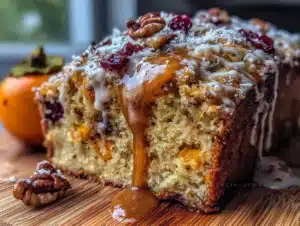
Sunday evening, the last of the fall light slipping through the kitchen window, and all I wanted was a bowl of something that felt like a deep breath. Not a complicated meal, not a project. Just soup. But not just any soup—something with a little sweetness, a little warmth, and a texture so smooth it felt like a hug in a bowl. That’s how this creamy butternut squash soup with maple and coconut came to be. It wasn’t planned. It was a fridge situation—half a butternut squash, a can of coconut milk I’d bought on a whim, and the last drizzle of maple syrup from a trip to a farm stand. And honestly? It turned out to be one of those recipes that just sticks. You know the ones. The kind you make on repeat because it works every single time.
I remember standing there, peeling the squash (okay, wrestling with it—let’s be real), and thinking about how I wanted the soup to feel. Not too heavy. Not too sweet. Just balanced. The maple adds a gentle, earthy sweetness that doesn’t scream “dessert,” and the coconut milk gives it this velvety richness that regular cream just can’t match. It’s the kind of soup that makes you slow down. The kind you eat on the couch, wrapped in a blanket, maybe with a good book nearby. And it comes together in about 30 minutes, which means you don’t have to plan your whole afternoon around it. That’s the thing I love most—it feels special, but it’s not fussy. It’s just good, honest food.
So this is the soup I make when I need a reset. When the week has been long and I want something that feels like a small act of kindness to myself. And if you’ve never tried butternut squash with maple and coconut together, trust me—you’re in for a treat. It’s one of those flavor combinations that just makes sense.
Why You’ll Love This Recipe
I’ve tested this creamy butternut squash soup with maple and coconut more times than I can count, tweaking the balance of sweetness and creaminess until it was just right. Here’s why I think you’ll love it as much as I do:
- Quick & Easy: From start to finish, this soup is ready in about 30 minutes. No hours of simmering, no complicated steps. Perfect for a weeknight dinner when you need something warm and satisfying fast.
- Simple Ingredients: You probably already have most of these in your pantry. Onion, garlic, broth, maple syrup, and coconut milk. The butternut squash is the star, but nothing here is hard to find or expensive.
- Perfect for Cozy Evenings: This is the soup you want on a chilly fall night, a rainy spring afternoon, or whenever you need a little comfort. It’s not just food—it’s a moment.
- Crowd-Pleaser: I’ve served this to friends, family, and even picky eaters, and it always gets rave reviews. The sweetness is subtle, the texture is luxurious, and everyone asks for the recipe.
- Unbelievably Delicious: The combination of roasted squash, rich coconut milk, and real maple syrup creates a flavor that’s both familiar and surprising. It’s creamy without being heavy, sweet without being cloying.
What makes this recipe different from all the other butternut squash soups out there? It’s the technique. Instead of boiling the squash (which can make it watery), I sauté it first with the onions and garlic to build depth. Then I add the broth and simmer just until tender. The coconut milk goes in at the end, off the heat, so it stays silky and doesn’t curdle. And the maple syrup? It’s added last, a little at a time, so you can control the sweetness exactly. It’s a small thing, but it makes a big difference. This isn’t just another soup—it’s your new favorite.
Honestly, this is the kind of recipe that makes you feel like you’ve got it all figured out. Like you can whip up something restaurant-quality on a Tuesday night without breaking a sweat. And you can.
What Ingredients You Will Need
This creamy butternut squash soup with maple and coconut uses simple, wholesome ingredients to deliver bold flavor and satisfying texture without the fuss. Most of these are pantry staples, which makes this recipe even more appealing when you’re craving something comforting but don’t want to run to the store.
- Butternut squash, peeled and cubed (about 4 cups or 1 medium squash) – Look for a squash that feels heavy for its size with smooth, unblemished skin. Pre-cut cubes from the store work fine in a pinch, but they’re often drier. I recommend cutting your own for the best texture and flavor.
- Yellow onion, chopped (1 medium) – Adds a savory base that balances the sweetness of the squash and maple. Sweet onions also work well here.
- Garlic cloves, minced (3-4 cloves) – Fresh garlic is non-negotiable for me. It adds warmth and depth that powdered garlic just can’t replicate.
- Olive oil or coconut oil (2 tablespoons) – For sautéing. Coconut oil adds a subtle tropical note that complements the coconut milk beautifully, but olive oil works perfectly too.
- Vegetable broth or chicken broth (3 cups) – Use a good-quality broth here—it makes a difference. I prefer low-sodium so I can control the salt. For a richer flavor, try bone broth.
- Full-fat coconut milk (1 can, about 13.5 oz) – This is the key to the creamy texture. Don’t use light coconut milk—it’s too thin and won’t give you that luxurious mouthfeel. Shake the can well before opening to incorporate the cream and liquid.
- Pure maple syrup (2-3 tablespoons, to taste) – Real maple syrup, not pancake syrup. The flavor is complex and woodsy, and it pairs perfectly with the squash. I like grade A dark amber for a more robust taste.
- Salt (about 1 teaspoon, or to taste) – I use fine sea salt. Start with less and adjust at the end.
- Black pepper, freshly ground (about ½ teaspoon) – Freshly ground pepper makes a difference in the overall flavor.
- Ground cinnamon (½ teaspoon) – Optional, but I love the warmth it adds. It’s subtle, not overpowering.
- Ground nutmeg (¼ teaspoon, freshly grated if possible) – Just a pinch to enhance the other flavors.
- Optional toppings: Toasted pumpkin seeds, a drizzle of coconut milk or maple syrup, fresh thyme or parsley, a swirl of chili oil for heat.
For the best results, I recommend using Native Forest or Thai Kitchen coconut milk—they tend to be thicker and creamier. And for maple syrup, Copperpot or Runamok are my go-to brands. If you’re out of butternut squash, you can substitute with kabocha squash or even sweet potato (the soup will be a bit sweeter). For a nut-free version, this recipe is naturally nut-free as written. For a lower-fat option, you can use half coconut milk and half unsweetened almond milk, but the texture won’t be as rich.
Equipment Needed
You don’t need a lot of fancy equipment for this creamy butternut squash soup with maple and coconut, which is part of its charm. Here’s what you’ll need:
- Large pot or Dutch oven (4-5 quart) – I use my trusty Le Creuset Dutch oven, but any heavy-bottomed pot will work. The key is even heat distribution to prevent burning.
- Sharp chef’s knife – Butternut squash is tough. A sharp knife makes peeling and cubing much safer and easier. Trust me on this one.
- Vegetable peeler – A good Y-peeler is my preference for taking off that thick skin.
- Cutting board – A large, sturdy board that won’t slip.
- Immersion blender – This is my favorite tool for creamy soups. You can blend right in the pot, which means less cleanup. If you don’t have one, a regular blender works too—just work in batches and be careful with the hot liquid.
- Measuring cups and spoons – For accuracy, especially with the broth and maple syrup.
- Wooden spoon or silicone spatula – For stirring and scraping the bottom of the pot.
If you don’t have an immersion blender, a standard countertop blender is fine. Just let the soup cool slightly before blending, and never fill the blender more than halfway. Remove the center cap from the lid and cover with a kitchen towel to let steam escape. I’ve learned this the hard way—hot soup explosions are no joke.
Budget-friendly tip: You can find perfectly good immersion blenders for under $30. I used a basic Cuisinart model for years before upgrading, and it worked great.
Preparation Method

Let me walk you through making this creamy butternut squash soup with maple and coconut step by step. It’s easier than you think, and I’ll share a few tricks I’ve learned along the way.
- Prep the squash (5 minutes): Using a sharp chef’s knife, cut off both ends of the butternut squash. Stand it upright on the cutting board and slice down the middle to separate the neck from the bulbous bottom. Peel each piece with a vegetable peeler, then cut into roughly 1-inch cubes. Don’t stress about perfection—they just need to be similar in size so they cook evenly. You should have about 4 cups of cubed squash. (Pro tip: If you’re short on time, many grocery stores sell pre-peeled and cubed butternut squash. It’s a lifesaver on busy nights.)
- Sauté the aromatics (5 minutes): Heat 2 tablespoons of olive oil or coconut oil in your large pot over medium heat. Add the chopped onion and cook, stirring occasionally, until soft and translucent—about 4 minutes. Add the minced garlic and cook for another 30 seconds until fragrant. Don’t let the garlic brown; it can turn bitter. The smell at this point is already amazing.
- Cook the squash (10-12 minutes): Add the cubed butternut squash to the pot along with ½ teaspoon of salt and the cinnamon and nutmeg (if using). Stir everything together and let it cook for 2-3 minutes, stirring occasionally. This step is important—it helps develop the squash’s natural sweetness and adds a layer of flavor you can’t get from just boiling. Then pour in the 3 cups of broth. Bring to a boil, then reduce the heat to a simmer. Cover and cook for 10-12 minutes, or until the squash is fork-tender. You should be able to easily pierce a cube with a fork.
- Blend until smooth (2 minutes): Remove the pot from the heat. If you’re using an immersion blender, carefully blend the soup right in the pot until completely smooth. If using a regular blender, let the soup cool for 5 minutes, then transfer it in batches (filling the blender no more than halfway) and blend until smooth. Return the blended soup to the pot. At this point, the soup should be thick and velvety.
- Add the coconut milk and maple syrup (2 minutes): Stir in the full-fat coconut milk. Start with 2 tablespoons of maple syrup, then taste. I usually end up using about 3 tablespoons, but it depends on the sweetness of your squash and your personal preference. Add the remaining salt and pepper to taste. Stir everything together over low heat until warmed through—about 2 minutes. Don’t let it boil after adding the coconut milk, or it might separate.
- Taste and adjust (1 minute): This is the most important step. Taste the soup and adjust the seasoning. Need more salt? Add it. Want it sweeter? Add another drizzle of maple syrup. Want a little heat? Stir in a pinch of cayenne or red pepper flakes. Trust your taste buds—they know what they’re doing.
- Serve and garnish: Ladle the soup into bowls and add your favorite toppings. I love a swirl of extra coconut milk, a sprinkle of toasted pumpkin seeds, and a few cracks of black pepper. A drizzle of chili oil is also fantastic if you like a little heat.
And that’s it. In about 30 minutes, you have a bowl of creamy, comforting, restaurant-quality soup. The whole process is straightforward, but the result feels special.
Cooking Tips & Techniques
After making this creamy butternut squash soup with maple and coconut dozens of times, I’ve picked up a few tricks that make a real difference. Here are my best tips:
Don’t skip the sauté step. I know it’s tempting to just throw everything in the pot and boil it, but taking those extra few minutes to sauté the squash with the aromatics builds so much more flavor. It’s the difference between a good soup and a great one. The slight caramelization adds depth that you just can’t get any other way.
Cut the squash evenly. This is one of those things that sounds fussy but really matters. If your cubes are different sizes, some will be mushy while others are still hard. Aim for 1-inch pieces, and they’ll all be perfectly tender at the same time.
Use full-fat coconut milk. I know it’s tempting to reach for the light version to save calories, but don’t do it. The full-fat coconut milk is what gives this soup its luxurious, velvety texture. Light coconut milk is mostly water and will leave you with a thin, sad soup. If you’re watching calories, just use a smaller portion—it’s worth it.
Season in layers. Add salt at the beginning (when you sauté the squash), then again at the end after blending. Seasoning in stages builds a more complex, well-rounded flavor. I learned this from a chef friend, and it’s one of those little things that makes a big difference.
Be careful with the blender. Hot liquid expands, and if you fill your blender too full, you’ll end up with soup all over your kitchen (and possibly a burn). Always let the soup cool slightly before blending, and work in batches. Remove the center cap from the lid and cover with a towel to let steam escape. Trust me—I’ve learned this lesson the hard way.
Taste as you go. This is the number one rule of cooking. The sweetness of butternut squash varies, so the amount of maple syrup you need will change from batch to batch. Start with less and add more until it tastes right to you. Your palate is the best guide.
Make it ahead. This soup actually gets better after a day or two in the fridge. The flavors meld and deepen, and the texture stays creamy. It’s perfect for meal prep—make a big batch on Sunday and enjoy it all week.
Variations & Adaptations
One of the things I love most about this creamy butternut squash soup with maple and coconut is how adaptable it is. Here are some of my favorite variations:
Vegan & Dairy-Free: This recipe is already vegan and dairy-free as written, thanks to the coconut milk. Just make sure you’re using vegetable broth instead of chicken broth, and you’re good to go.
Spicy Version: Add a pinch of cayenne pepper or red pepper flakes along with the spices. Or stir in a tablespoon of sriracha or chili garlic sauce at the end. The heat cuts through the sweetness beautifully. I like to top mine with a swirl of chili oil and some toasted pepitas.
Roasted Squash Version: For an even deeper, nuttier flavor, roast the cubed squash at 400°F for 25-30 minutes before adding it to the pot. Toss it with a little oil, salt, and pepper first. This caramelizes the squash and adds a smoky sweetness that’s incredible. Just reduce the simmering time to about 5 minutes since the squash is already cooked.
Curried Butternut Squash Soup: Add 1-2 teaspoons of curry powder (or garam masala) along with the cinnamon and nutmeg. The warm spices pair beautifully with the coconut milk and maple. This is my go-to variation when I want something a little more exotic.
Apple Butternut Squash Soup: Add one peeled and chopped apple (Granny Smith or Honeycrisp work well) along with the squash. The apple adds natural sweetness and a subtle tartness that balances the soup beautifully. You might need a little less maple syrup with this version.
Low-Carb/Keto Adaptation: Replace the butternut squash with cauliflower or a combination of cauliflower and a smaller amount of squash. Use only 1 tablespoon of maple syrup (or a sugar-free alternative like monk fruit sweetener). The texture will still be creamy and delicious, but with fewer carbs.
Coconut-Free Version: If you’re not a fan of coconut or have an allergy, substitute the coconut milk with full-fat oat milk or cashew cream. The texture won’t be quite as rich, but it will still be creamy and delicious. Just be aware that the flavor profile will change slightly.
Serving & Storage Suggestions
This creamy butternut squash soup with maple and coconut is incredibly versatile when it comes to serving. Here’s how I like to enjoy it:
Serving Temperature: Serve it hot, but not boiling. Let it cool for a few minutes after cooking so the flavors settle. It’s also surprisingly good at room temperature on a warm day—more of a bisque experience.
Presentation: Ladle into shallow bowls for a more elegant look, or deep bowls for cozy comfort. A swirl of extra coconut milk on top (use a toothpick to create patterns) makes it look restaurant-worthy. Sprinkle with toasted pumpkin seeds, a few cracks of black pepper, and a tiny drizzle of maple syrup for a beautiful finish.
What to Serve With It: This soup pairs beautifully with a crusty bread or a simple green salad with a tangy vinaigrette to cut through the richness. For a heartier meal, serve it alongside a grilled cheese sandwich or a warm, crusty baguette. A crisp apple and arugula salad with a lemon dressing is also a fantastic pairing.
Storage: Let the soup cool completely, then transfer it to an airtight container. It will keep in the refrigerator for up to 5 days. The flavors actually deepen and improve after a day or two, so don’t be afraid to make it ahead.
Freezing: This soup freezes beautifully. Pour cooled soup into freezer-safe containers or zip-top bags, leaving about an inch of headroom for expansion. It will keep for up to 3 months. Thaw overnight in the refrigerator before reheating.
Reheating: Reheat gently on the stovetop over medium-low heat, stirring occasionally. If the soup has thickened in the fridge (which is normal—coconut milk does that), add a splash of broth or water to thin it to your desired consistency. You can also reheat individual portions in the microwave, but be sure to stir halfway through and watch it closely so it doesn’t splatter.
Flavor Development: I’ve noticed that this soup is even better the next day. The maple and coconut flavors have more time to meld, and the overall taste becomes more harmonious. It’s one of those rare recipes that’s worth making ahead just for the flavor payoff.
Nutritional Information & Benefits
This creamy butternut squash soup with maple and coconut isn’t just delicious—it’s also packed with nutrients. Here’s a rough estimate per serving (based on 4 servings):
- Calories: Approximately 280-320
- Fat: 18-22g (mostly from healthy coconut fat)
- Carbohydrates: 28-32g
- Fiber: 5-7g
- Sugar: 12-15g (naturally occurring plus a small amount of maple syrup)
- Protein: 4-6g
- Vitamin A: Over 400% of the daily value (from butternut squash)
- Vitamin C: About 35% of the daily value
- Potassium: About 15% of the daily value
- Iron: About 10% of the daily value
Health Benefits: Butternut squash is rich in beta-carotene, which your body converts to vitamin A—essential for eye health and immune function. Coconut milk provides medium-chain triglycerides (MCTs), which are easily digested and can provide quick energy. The ginger and garlic in this recipe (if you add them) have anti-inflammatory properties. And the maple syrup, while still a sugar, contains antioxidants and minerals like zinc and manganese.
Dietary Considerations: This soup is naturally gluten-free, dairy-free, vegan, and nut-free (as written). It’s also paleo-friendly. For a lower-carb version, see my variation above. Potential allergens include coconut (tree nut) for those with specific allergies.
I love that this soup feels indulgent but is actually packed with good-for-you ingredients. It’s the kind of meal that nourishes your body and your soul at the same time.
Frequently Asked Questions
Can I use frozen butternut squash for this soup?
Absolutely! Frozen cubed butternut squash works great and saves you the prep time. Just add it directly to the pot without thawing, and increase the simmering time by about 5 minutes. The texture might be slightly less creamy than fresh, but it’s still delicious and incredibly convenient.
Can I make this soup without an immersion blender?
Yes, definitely. A regular countertop blender works perfectly. Just let the soup cool for about 5 minutes first, then blend in batches. Never fill the blender more than halfway with hot liquid. Remove the center cap from the lid and cover with a kitchen towel to let steam escape. You can also use a food processor, but you’ll need to work in smaller batches.
How can I make this soup thicker or thinner?
For a thicker soup, use less broth—start with 2½ cups instead of 3. You can also let the soup simmer uncovered for a few extra minutes to reduce and concentrate the flavors. For a thinner soup, add more broth or a splash of water until it reaches your desired consistency. Remember that the soup will thicken slightly as it cools.
Can I substitute the coconut milk with something else?
Yes, but the texture and flavor will change. For a similar creaminess without the coconut flavor, try full-fat oat milk or cashew cream. Heavy cream or half-and-half will also work if you’re not dairy-free. Avoid light coconut milk or regular milk—they’re too thin and won’t give you that velvety texture. If you’re avoiding coconut, I recommend starting with a smaller amount of your substitute and adding more to taste.
How do I prevent the coconut milk from curdling?
This rarely happens with full-fat coconut milk, but here are a few tips: Don’t let the soup boil after adding the coconut milk. Add it off the heat or over very low heat. Make sure the coconut milk is at room temperature before adding it—cold coconut milk can shock the soup and cause separation. And always stir gently. If it does separate, don’t worry—it’s still safe to eat, and a quick blend with an immersion blender will usually bring it back together.
Conclusion
This creamy butternut squash soup with maple and coconut has become one of those recipes I turn to again and again. It’s simple enough for a busy weeknight, but special enough to serve to guests. The combination of sweet, savory, and creamy is just right—comforting without being heavy, satisfying without being complicated. And honestly, the fact that it comes together in about 30 minutes with ingredients I usually have on hand? That’s the kind of recipe I can’t live without.
I hope you give it a try and make it your own. Maybe you’ll add a little more spice, or top it with something unexpected. Maybe you’ll make it for a quiet night in or a cozy dinner with friends. However you make it, I’d love to hear how it turns out. Drop a comment below and let me know what you think—your tweaks, your toppings, your favorite way to enjoy it. And if you’re looking for more easy, comforting recipes, browse our full collection of simple and delicious meals. There’s always something new to try.
Until next time, happy cooking. And remember—the best meals are the ones made with a little love and a lot of taste-testing.
Pin This Recipe!
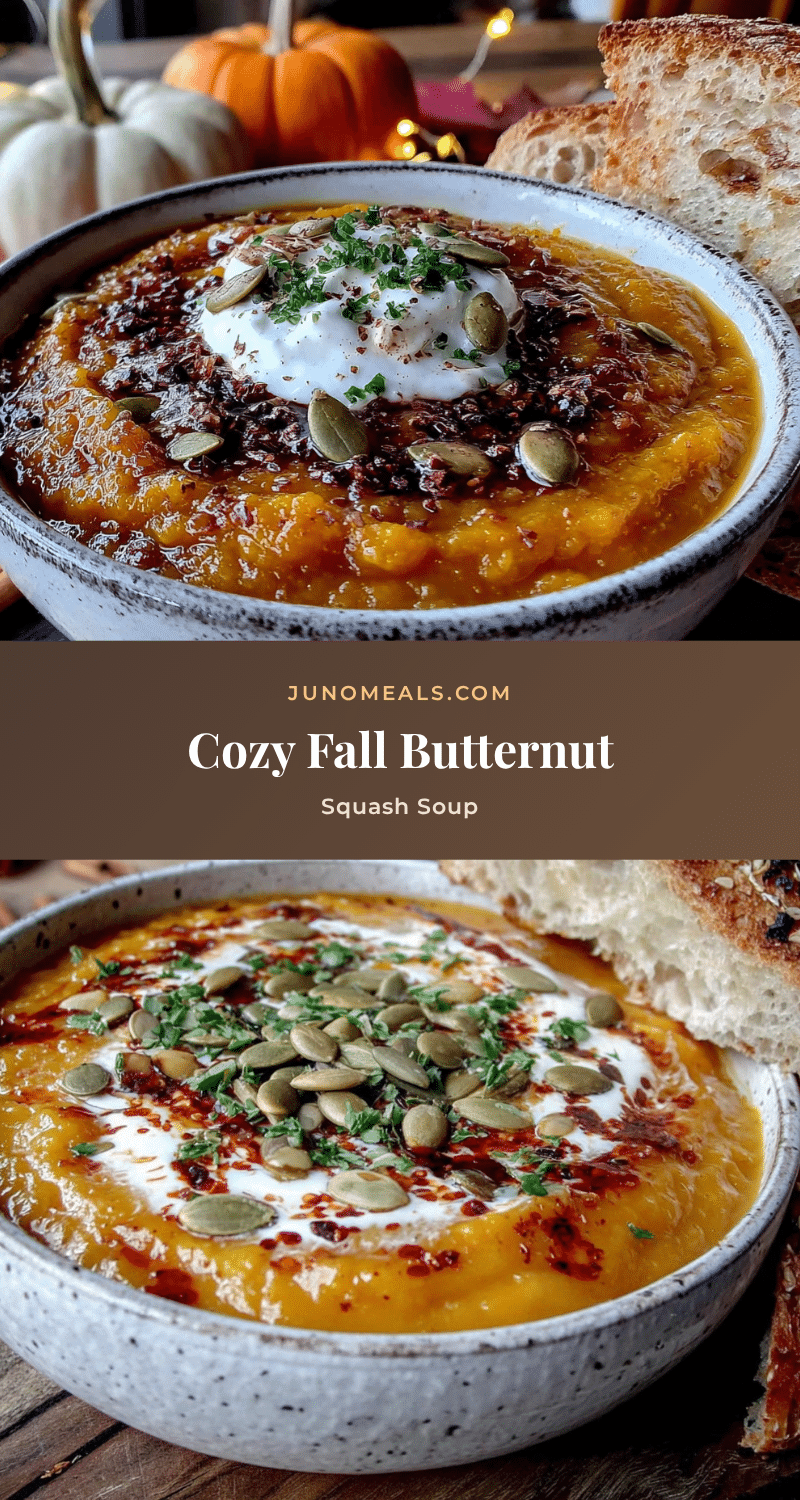
Creamy Butternut Squash Soup with Maple & Coconut – Easy 30-Minute Recipe

A velvety, comforting soup made with roasted butternut squash, rich coconut milk, and pure maple syrup. Ready in 30 minutes, it’s the perfect cozy meal for fall evenings.
- Prep Time: 10 minutes
- Cook Time: 20 minutes
- Total Time: 30 minutes
- Yield: 4 servings 1x
- Category: Soup
- Cuisine: American
Ingredients
- 1 medium butternut squash, peeled and cubed (about 4 cups)
- 1 medium yellow onion, chopped
- 3–4 garlic cloves, minced
- 2 tablespoons olive oil or coconut oil
- 3 cups vegetable broth or chicken broth (low-sodium preferred)
- 1 can (13.5 oz) full-fat coconut milk
- 2–3 tablespoons pure maple syrup (to taste)
- 1 teaspoon fine sea salt (or to taste)
- ½ teaspoon freshly ground black pepper
- ½ teaspoon ground cinnamon (optional)
- ¼ teaspoon ground nutmeg (freshly grated if possible)
- Optional toppings: toasted pumpkin seeds, extra coconut milk drizzle, fresh thyme or parsley, chili oil
Instructions
- Prep the squash: Cut off both ends of the butternut squash, stand it upright, and slice down the middle to separate the neck from the bulbous bottom. Peel each piece with a vegetable peeler, then cut into roughly 1-inch cubes. You should have about 4 cups.
- Sauté the aromatics: Heat 2 tablespoons of olive oil or coconut oil in a large pot over medium heat. Add the chopped onion and cook, stirring occasionally, until soft and translucent—about 4 minutes. Add the minced garlic and cook for another 30 seconds until fragrant.
- Cook the squash: Add the cubed butternut squash to the pot along with ½ teaspoon of salt and the cinnamon and nutmeg (if using). Stir and cook for 2-3 minutes. Pour in the 3 cups of broth. Bring to a boil, then reduce heat to a simmer. Cover and cook for 10-12 minutes, or until the squash is fork-tender.
- Blend until smooth: Remove the pot from the heat. Use an immersion blender to blend the soup directly in the pot until completely smooth. If using a regular blender, let the soup cool for 5 minutes, then blend in batches (filling no more than halfway) and return to the pot.
- Add the coconut milk and maple syrup: Stir in the full-fat coconut milk. Start with 2 tablespoons of maple syrup, then taste and add more if desired (up to 3 tablespoons). Add remaining salt and pepper to taste. Warm over low heat for about 2 minutes—do not let it boil.
- Taste and adjust: Adjust seasoning as needed. Add more salt, maple syrup, or a pinch of cayenne for heat if desired.
- Serve and garnish: Ladle into bowls and top with your favorite toppings, such as a swirl of coconut milk, toasted pumpkin seeds, fresh herbs, or chili oil.
Notes
For best results, use full-fat coconut milk and real maple syrup. The soup can be made ahead and stored in the refrigerator for up to 5 days or frozen for up to 3 months. Reheat gently on the stovetop, adding a splash of broth if needed. The flavors deepen after a day or two.
Nutrition
- Serving Size: 1 bowl (about 1.5 cu
- Calories: 300
- Sugar: 14
- Sodium: 600
- Fat: 20
- Saturated Fat: 14
- Carbohydrates: 30
- Fiber: 6
- Protein: 5
Keywords: butternut squash soup, creamy soup, maple, coconut, fall recipe, easy soup, 30-minute meal, vegan, gluten-free