It was 11:47 PM on a rainy Tuesday in late October, and I had a very specific craving for mac and cheese. Not just any mac and cheese—the kind that feels like a weighted blanket for your soul. The problem? I didn’t have a block of cheddar or any of the usual suspects for a proper stovetop cheese sauce. But I did have a leftover roasted butternut squash from Sunday meal prep, some evaporated milk that was about to expire, and a half-empty bag of cavatappi. So I did what any reasonable person would do at nearly midnight: I decided to make a butternut squash mac and cheese that would either be a genius discovery or a total disaster. Honestly, I was too tired to care which.
The squash went into the blender first—still slightly warm, which made it blend like a dream. I added a splash of milk, a knob of butter, and a handful of shredded Gruyère that I found hiding behind the pickles. And then, on a whim, I threw in a pinch of smoked paprika and a dash of Dijon mustard. The color that came out of that blender was ridiculous—like liquid gold, if gold were creamy and smelled slightly of nutmeg. I poured it over the pasta, stirred it around, and took a bite standing at the counter in my pajamas. Let me tell you, I actually laughed out loud. It was that good. Maybe you’ve been there—that moment when a desperate kitchen experiment turns into something you can’t stop thinking about for weeks.
I kept making it after that night, tweaking things here and there. The original version used all Gruyère, which was delicious but expensive. Now I use a mix of sharp cheddar and mozzarella, which melts beautifully and keeps the budget happy. The butternut squash stayed, though—that wasn’t negotiable. It adds this velvety texture that you just can’t get from flour and butter alone. And the best part? You get a full serving of vegetables without tasting a single one. This butternut squash mac and cheese has become my go-to for those evenings when I need something warm, cozy, and just a little bit indulgent. It’s the recipe that started as a late-night accident and ended up as a permanent fixture in my kitchen.
Why You’ll Love This Recipe
This butternut squash mac and cheese isn’t just another pasta dish—it’s the kind of meal that makes you feel like you’ve got everything figured out, even when you don’t. I’ve tested this recipe at least a dozen times, tweaking the cheese ratios and the roasting time until it was absolutely perfect. Here’s why it deserves a spot in your regular dinner rotation:
- Ready in 30 Minutes: From start to finish, this comes together faster than you’d expect. The squash cooks quickly on the stovetop, so there’s no waiting around for an hour-long roast.
- Simple Pantry Ingredients: You probably have most of this already—pasta, cheese, milk, butter. The butternut squash is the only “special” ingredient, and it’s easy to find at any grocery store.
- Perfect for Cozy Nights: This is comfort food at its finest. It’s warm, creamy, and deeply satisfying—exactly what you need on a cold evening or after a long week.
- Kid-Approved and Adult-Loved: The squash blends right into the sauce, so even picky eaters won’t notice. But the flavor is sophisticated enough that adults will genuinely crave it.
- Unbelievably Creamy Without Heavy Cream: The butternut squash creates a silky, luscious texture that feels indulgent but isn’t loaded with extra fat. It’s a win-win.
What makes this version different from other butternut squash mac and cheese recipes? It’s the technique. Instead of roasting the squash separately (which takes forever), I simmer it directly in the milk until tender, then blend it all together. This saves time, infuses the milk with squash flavor, and creates a sauce that’s impossibly smooth. Plus, the smoked paprika and Dijon mustard add a subtle depth that keeps you coming back for another bite.
This recipe isn’t just good—it’s the kind that makes you close your eyes after the first bite. It’s comfort food reimagined: healthier than traditional mac and cheese, faster than you’d think, but with the same soul-soothing satisfaction. Perfect for impressing guests without stress, or turning a simple Tuesday night into something memorable.
What Ingredients You Will Need
This recipe relies on simple, wholesome ingredients that work together to create a rich, creamy sauce without any fuss. Most of these are pantry staples, and the butternut squash adds a natural sweetness and velvety texture that makes this dish truly special.
- Butternut Squash (2 cups, peeled and cubed): Look for a squash that feels heavy for its size with firm, unblemished skin. Pre-cubed squash from the produce section works great in a pinch and saves prep time.
- Elbow Macaroni or Cavatappi (8 ounces, about 2 cups): I prefer cavatappi because the ridges grab the sauce beautifully, but any short pasta works. Use gluten-free pasta if needed.
- Sharp Cheddar Cheese (1 cup, shredded): Buy a block and shred it yourself—pre-shredded cheese has anti-caking agents that prevent smooth melting. I recommend Tillamook or Cabot for consistent quality.
- Mozzarella Cheese (½ cup, shredded): Adds that perfect stretchy texture. Low-moisture mozzarella works best here.
- Whole Milk (1½ cups): Creates a rich base for the sauce. You can use 2% or even oat milk, but the sauce won’t be quite as creamy.
- Unsalted Butter (2 tablespoons): Adds richness and helps the sauce come together. Use salted butter if that’s what you have, just reduce the added salt.
- Dijon Mustard (1 teaspoon): Don’t skip this—it doesn’t make the sauce taste like mustard. It just adds a subtle tang that brightens the whole dish.
- Smoked Paprika (½ teaspoon): Adds a gentle smokiness that complements the sweet squash. Regular paprika works, but smoked is better here.
- Garlic Powder (½ teaspoon): For savory depth without the texture of fresh garlic.
- Salt and Black Pepper (to taste): Start with ½ teaspoon salt and ¼ teaspoon pepper, then adjust.
- Optional Toppings: Panko breadcrumbs (¼ cup) mixed with 1 tablespoon melted butter for a crispy topping. Fresh thyme or parsley for garnish.
For substitutions: Use nutritional yeast (2 tablespoons) for a dairy-free cheesy flavor. Swap cheddar with Gruyère or Gouda for a more sophisticated taste. In summer, you can use frozen butternut squash cubes—just thaw and pat dry before using. The smoked paprika is the one ingredient I wouldn’t skip; it really makes the dish sing.
Equipment Needed
You don’t need a fancy kitchen to make this butternut squash mac and cheese. Here’s what you’ll actually use:
- Large Pot (4-5 quart): For cooking the pasta and later combining everything. A Dutch oven works perfectly.
- Medium Saucepan: For simmering the squash in milk. If you only have one pot, cook the pasta first, then use the same pot for the sauce.
- Blender or Immersion Blender: A regular countertop blender gives the smoothest sauce. An immersion blender works too, just blend longer for a silky texture. I’ve used a food processor in a pinch—it works, but the sauce isn’t as smooth.
- Box Grater: For shredding cheese. Skip the pre-shredded bags—trust me on this one.
- Wooden Spoon or Silicone Spatula: For stirring without scratching your pots.
- Measuring Cups and Spoons: Accurate measurements matter here, especially for the milk and cheese.
- Colander: For draining pasta. Nothing fancy needed.
- Small Baking Dish (Optional): If you want to broil the top with breadcrumbs for a crunchy finish.
If you don’t have a blender, you can mash the cooked squash with a potato masher or fork until smooth. The texture won’t be as velvety, but it’ll still taste amazing. I’ve done this in a hotel kitchen with a hand mixer—sometimes you just make it work.
Preparation Method
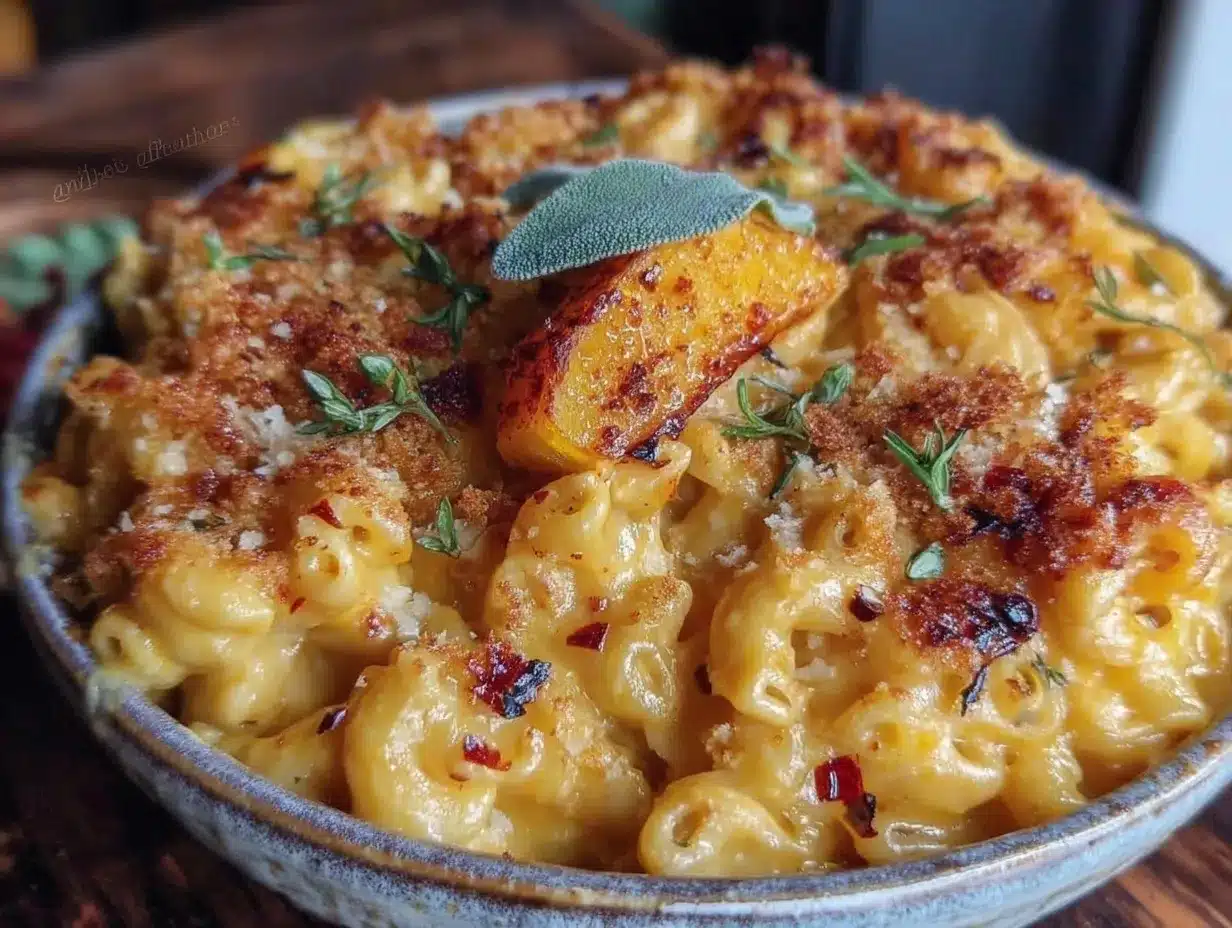
Let’s make this butternut squash mac and cheese. The whole process takes about 30 minutes, and I promise it’s easier than it sounds.
Step 1: Cook the Squash (10 minutes)
In a medium saucepan, combine the cubed butternut squash and 1½ cups of whole milk. Bring to a gentle simmer over medium heat, then reduce the heat to low. Cover and cook for 8-10 minutes, until the squash is fork-tender. You should be able to pierce a cube easily with a knife. The milk will look slightly orange and smell sweet—that’s a good sign. Don’t let it boil vigorously, or the milk might scorch.
Step 2: Cook the Pasta (8-10 minutes)
While the squash simmers, bring a large pot of salted water to a boil. Add the pasta and cook according to package directions until al dente. I usually go one minute less than the package says, because the pasta will continue cooking slightly when mixed with the hot sauce. Reserve about ½ cup of pasta water before draining—it’s liquid gold for adjusting the sauce consistency later. Drain the pasta and set it aside.
Step 3: Blend the Sauce (2 minutes)
Carefully transfer the cooked squash and milk mixture to a blender. Add the butter, Dijon mustard, smoked paprika, garlic powder, ½ teaspoon salt, and ¼ teaspoon black pepper. Blend on high until completely smooth—about 30-45 seconds. The sauce should be thick, creamy, and a beautiful golden-orange color. If it seems too thick, add a splash of the reserved pasta water or extra milk. Taste it here and adjust the seasoning. You want it slightly more seasoned than you think, because the pasta will dilute it a bit.
Step 4: Combine and Melt the Cheese (3 minutes)
Return the drained pasta to the large pot over low heat. Pour the blended squash sauce over the pasta and stir gently to coat. Add the shredded cheddar and mozzarella, then stir continuously until the cheese is fully melted and the sauce is smooth—about 2 minutes. If the sauce seems too thick, add reserved pasta water a tablespoon at a time until it reaches your desired consistency. The sauce will thicken slightly as it cools, so err on the side of slightly looser.
Step 5: Optional Crispy Topping (3-5 minutes)
If you want that crunchy breadcrumb topping, transfer the mac and cheese to a small baking dish. Mix ¼ cup panko breadcrumbs with 1 tablespoon melted butter and sprinkle over the top. Broil on high for 2-3 minutes, watching carefully, until golden brown. Let it cool for 2 minutes before serving—the topping will be hot enough to burn your mouth.
Step 6: Serve Immediately
Spoon the butternut squash mac and cheese into bowls and garnish with fresh thyme or parsley if you’re feeling fancy. The sauce will be creamy and luscious, clinging to every piece of pasta. Serve it hot, and don’t be surprised if you go back for seconds.
Cooking Tips & Techniques
I’ve made this butternut squash mac and cheese more times than I can count, and I’ve learned a few things along the way. Here are the tips that make the biggest difference:
Don’t Overcook the Squash: Simmer it just until fork-tender. Overcooked squash becomes waterlogged, which can make the sauce thin. If you accidentally overcook it, drain off some of the milk before blending and add it back gradually.
Shred Your Own Cheese: I know it’s tempting to buy the pre-shredded bags, but they’re coated with potato starch or cellulose to prevent clumping. This means they won’t melt as smoothly. Spend the two minutes shredding a block of cheddar—your sauce will thank you.
Low and Slow for the Cheese: When you add the cheese to the sauce, keep the heat on low. High heat can cause the cheese to seize up and become grainy. Stir constantly and patiently—it’ll come together.
Season in Layers: Add salt at every stage—to the pasta water, to the squash while it simmers, and to the final sauce. This builds depth of flavor that you can’t get from seasoning at the end only.
My Biggest Failure: The first time I made this, I used pre-shredded cheese and cranked the heat to high because I was impatient. The sauce turned into a grainy, oily mess that looked nothing like the creamy dream I’d imagined. I had to start over, and I learned my lesson. Low heat, freshly shredded cheese, and patience—every single time.
Make It Ahead: You can prepare the sauce up to two days in advance and store it in the fridge. When you’re ready to eat, cook fresh pasta, reheat the sauce gently on the stove, and combine. The sauce will thicken as it sits, so add a splash of milk when reheating.
Rescue a Grainy Sauce: If your sauce does turn grainy, don’t panic. Remove it from the heat immediately and whisk in a tablespoon of cold butter or a splash of lemon juice. Sometimes that’s enough to bring it back together.
Variations & Adaptations
This butternut squash mac and cheese is incredibly versatile. Here are some ways to make it your own:
Add Protein: Stir in cooked, crumbled bacon or pancetta for a smoky, salty crunch. Shredded rotisserie chicken works beautifully too—just fold it in with the cheese. For a vegetarian option, add crispy roasted chickpeas on top.
Make It Spicy: Add ¼ teaspoon cayenne pepper or a pinch of red pepper flakes to the sauce. The heat balances the sweet squash perfectly. I once added a diced jalapeño to the blender—it was a little intense, but my spice-loving friends adored it.
Vegan Version: Use unsweetened oat milk or cashew milk, vegan butter, and your favorite dairy-free cheddar shreds. Nutritional yeast (2 tablespoons) adds a cheesy flavor without dairy. The sauce won’t be as creamy, but it’s still delicious.
Roasted Garlic Twist: Roast a head of garlic in the oven (or air fryer) until soft and golden. Squeeze the cloves into the blender with the squash. It adds a sweet, mellow garlic flavor that’s absolutely divine.
Seasonal Swap: In fall, use roasted pumpkin instead of butternut squash. In winter, try sweet potato. Both work exactly the same way and give slightly different flavor profiles. The sweet potato version is a little sweeter and pairs well with sage.
Gluten-Free Option: Use your favorite gluten-free pasta—brown rice or chickpea pasta work best. For the topping, use gluten-free panko or crushed pork rinds for a crunchy finish.
My personal favorite variation? Adding a handful of baby spinach right at the end. Stir it in until it just wilts—the bright green against the orange sauce is gorgeous, and it makes me feel slightly virtuous about eating a bowl of mac and cheese.
Serving & Storage Suggestions
This butternut squash mac and cheese is best served hot, straight from the pot. Spoon it into wide, shallow bowls so the sauce doesn’t pool too much. A sprinkle of fresh thyme or chopped parsley adds color and a fresh note that cuts through the richness.
What to Serve With It: A simple green salad with a tangy vinaigrette is the perfect companion—the acidity balances the creamy pasta. Roasted broccoli or Brussels sprouts also work beautifully. For a cozy meal, serve it alongside roasted chicken or meatballs. And honestly, a glass of crisp white wine or a cold beer never hurts.
Storage Instructions: Leftovers keep well in an airtight container in the refrigerator for up to 4 days. The pasta will absorb some of the sauce as it sits, so don’t be alarmed if it looks drier the next day. To reheat, add a splash of milk or water and warm gently on the stovetop over low heat, stirring frequently. You can also microwave individual portions in 30-second bursts, stirring between each.
Freezing: This mac and cheese freezes surprisingly well. Let it cool completely, then transfer to a freezer-safe container. It will keep for up to 3 months. Thaw overnight in the refrigerator before reheating. The texture won’t be quite as creamy as fresh, but it’s still a solid comfort food option for busy nights.
Flavor Development: Here’s a secret—this dish actually tastes better the next day. The flavors meld together overnight, and the sauce thickens to a almost pudding-like consistency. Some people prefer it this way. If you’re meal prepping, make it a day ahead and reheat gently. Just add a little extra milk to loosen the sauce.
Nutritional Information & Benefits
This butternut squash mac and cheese is comfort food with a few hidden health benefits. Here’s the breakdown per serving (about 1½ cups):
- Calories: Approximately 420-480
- Protein: 18-22 grams
- Carbohydrates: 45-50 grams
- Fat: 18-22 grams
- Fiber: 4-6 grams
- Vitamin A: 200% of daily value (from the butternut squash)
- Calcium: 25-30% of daily value
The butternut squash is the star here—it’s packed with vitamin A (for eye health and immunity), vitamin C, and fiber. The cheese provides calcium and protein, while the pasta offers energy in the form of complex carbohydrates. Compared to traditional mac and cheese, this version has about 30% less saturated fat and significantly more vitamins. It’s not health food, but it’s a smarter indulgence that still feels decadent.
Dietary considerations: This recipe contains gluten and dairy. For a gluten-free version, use gluten-free pasta. For a dairy-free version, use plant-based milk, butter, and cheese alternatives. The butternut squash itself is naturally gluten-free and vegan-friendly.
I love that I can serve this to my family and feel good about what they’re eating—it’s a vegetable-forward dish that doesn’t taste like one. That’s a win in my book.
Conclusion
This butternut squash mac and cheese is more than just a recipe—it’s the kind of meal that makes you feel taken care of. It’s creamy, comforting, and just a little bit unexpected. The squash adds a natural sweetness and velvety texture that you simply can’t get from a traditional cheese sauce, and the whole thing comes together in about 30 minutes. Whether you’re cooking for a crowd or just for yourself on a quiet Tuesday night, this dish delivers.
I love how forgiving this recipe is. You can swap the cheese, change the pasta shape, add vegetables or protein—it adapts to whatever you have on hand. It’s the kind of recipe that becomes a staple, the one you make without thinking twice. And honestly, that’s the highest compliment I can give a dish.
I’d love to hear how yours turns out! Did you add bacon? Swap in sweet potato? Forget the paprika and accidentally use cinnamon? (I’ve done that one—it’s actually not terrible.) Drop a comment below and let me know your version. And if you loved it, share it with someone who needs a little comfort right now. Happy cooking!
Frequently Asked Questions
Can I use frozen butternut squash for this recipe?
Absolutely! Frozen butternut squash works perfectly. Just thaw it first and pat it dry with paper towels to remove excess moisture. Then simmer it in the milk exactly as you would fresh squash. It might cook a minute or two faster, so keep an eye on it.
Why did my sauce turn out grainy?
Grainy sauce usually happens for two reasons: the heat was too high when you added the cheese, or you used pre-shredded cheese. Next time, keep the heat on low and shred your own cheese from a block. If it happens anyway, remove the pot from heat and whisk in a tablespoon of cold butter—sometimes that saves it.
Can I make this butternut squash mac and cheese ahead of time?
Yes! You can make the sauce up to two days ahead and store it in the fridge. When you’re ready to eat, cook fresh pasta and reheat the sauce gently on the stovetop with a splash of milk. The assembled dish also reheats well the next day—just add a little milk to loosen it up.
What can I use instead of butternut squash?
Sweet potatoes, pumpkin, or carrots all work as substitutes. Each will give a slightly different flavor—sweet potatoes make it sweeter, pumpkin is more neutral, and carrots add a brighter color. Roast or simmer them the same way you would the squash.
Is this recipe gluten-free?
Not as written, but it’s easy to adapt. Use your favorite gluten-free pasta and gluten-free panko for the topping. The sauce itself contains no gluten, so those are the only changes you need to make. I’ve used brown rice pasta with great results.
Pin This Recipe!
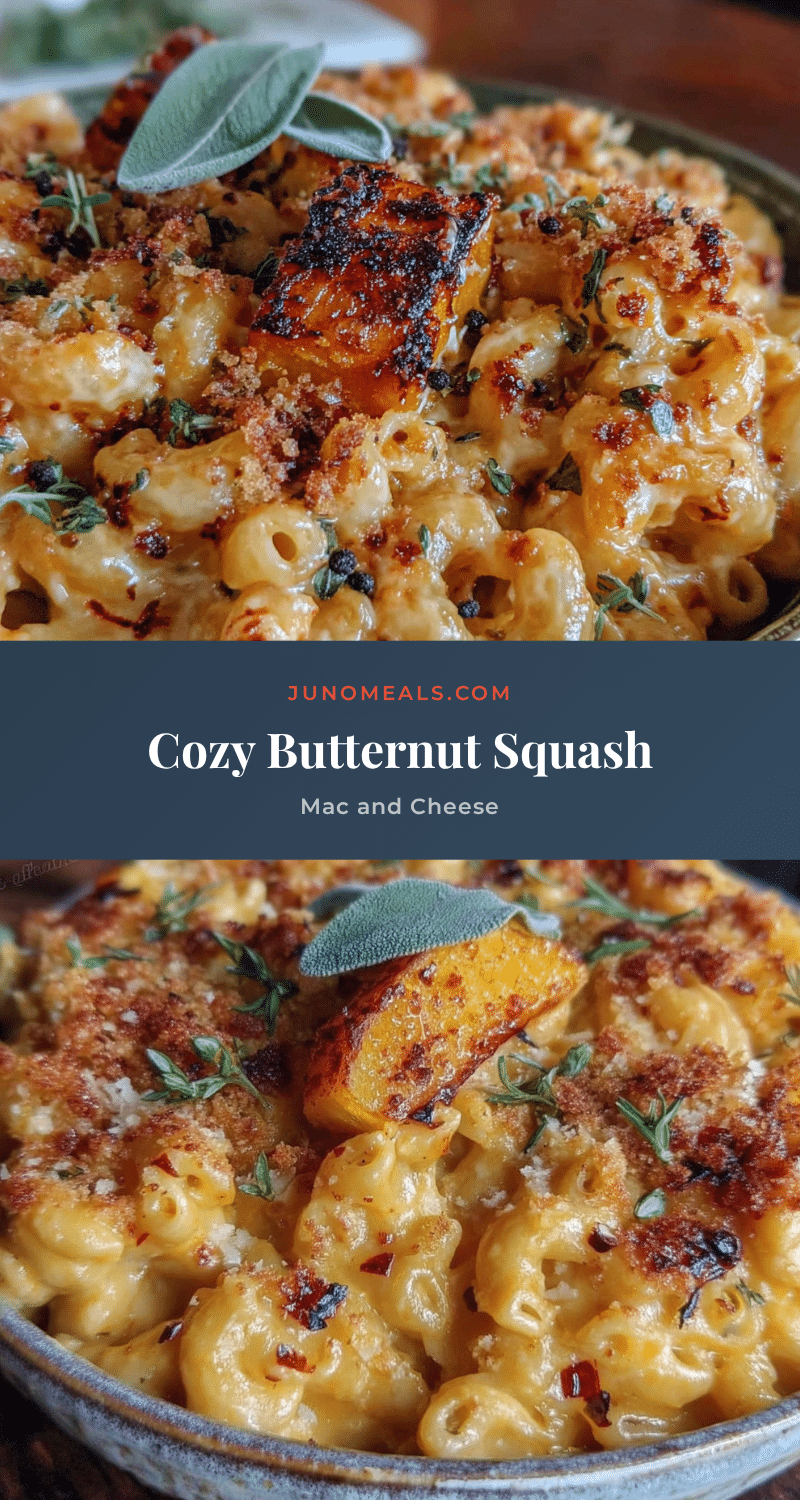
Cozy Butternut Squash Mac and Cheese: Easy 30-Minute Dinner

This butternut squash mac and cheese is creamy, comforting, and ready in just 30 minutes. The squash creates a velvety sauce that feels indulgent but is healthier than traditional mac and cheese.
- Prep Time: 10 minutes
- Cook Time: 20 minutes
- Total Time: 30 minutes
- Yield: 4 servings 1x
- Category: Main Course
- Cuisine: American
Ingredients
- 2 cups butternut squash, peeled and cubed
- 8 ounces elbow macaroni or cavatappi (about 2 cups)
- 1 cup sharp cheddar cheese, shredded
- ½ cup mozzarella cheese, shredded
- 1½ cups whole milk
- 2 tablespoons unsalted butter
- 1 teaspoon Dijon mustard
- ½ teaspoon smoked paprika
- ½ teaspoon garlic powder
- ½ teaspoon salt (or to taste)
- ¼ teaspoon black pepper (or to taste)
- Optional: ¼ cup panko breadcrumbs mixed with 1 tablespoon melted butter for topping
- Optional: Fresh thyme or parsley for garnish
Instructions
- In a medium saucepan, combine cubed butternut squash and 1½ cups whole milk. Bring to a gentle simmer over medium heat, then reduce to low. Cover and cook for 8-10 minutes until squash is fork-tender.
- While squash simmers, bring a large pot of salted water to a boil. Cook pasta according to package directions until al dente (cook 1 minute less than package suggests). Reserve ½ cup pasta water before draining. Drain pasta and set aside.
- Carefully transfer cooked squash and milk mixture to a blender. Add butter, Dijon mustard, smoked paprika, garlic powder, salt, and black pepper. Blend on high until completely smooth, about 30-45 seconds. Adjust seasoning if needed.
- Return drained pasta to the large pot over low heat. Pour blended squash sauce over pasta and stir gently. Add shredded cheddar and mozzarella, stirring continuously until cheese is fully melted and sauce is smooth, about 2 minutes. Add reserved pasta water a tablespoon at a time if sauce is too thick.
- Optional: For crispy topping, transfer mac and cheese to a small baking dish. Mix ¼ cup panko breadcrumbs with 1 tablespoon melted butter and sprinkle over top. Broil on high for 2-3 minutes until golden brown. Let cool 2 minutes before serving.
- Serve immediately in bowls. Garnish with fresh thyme or parsley if desired.
Notes
Shred your own cheese from a block for the smoothest sauce—pre-shredded cheese contains anti-caking agents that prevent smooth melting. Keep heat low when adding cheese to prevent graininess. The sauce will thicken as it cools, so err on the side of slightly looser. Leftovers keep in the refrigerator for up to 4 days; reheat with a splash of milk. This dish tastes even better the next day as flavors meld.
Nutrition
- Serving Size: 1½ cups
- Calories: 450
- Sugar: 8
- Sodium: 600
- Fat: 20
- Saturated Fat: 12
- Carbohydrates: 48
- Fiber: 5
- Protein: 20
Keywords: butternut squash mac and cheese, easy mac and cheese, 30 minute dinner, creamy mac and cheese, comfort food, vegetarian mac and cheese, healthy mac and cheese