Three batches in two days, and I finally stopped hovering over the oven door. The first one? Too watery—I opened the oven three times to peek, releasing all the steam. The second? I got impatient and cranked the heat, ending up with garlic that tasted like regret. But the third batch—that was the one where the tomatoes collapsed into themselves, the garlic turned into sweet little jammy nuggets, and the basil smelled so good I accidentally burned my tongue tasting it straight from the bowl. That’s the batch I’m sharing with you today.
This isn’t a “let’s simmer all day” kind of sauce. It’s a “I need real flavor right now, but I also don’t want to wash a million dishes” kind of sauce. And honestly, that’s most weeknights for me. The roasting does the heavy lifting—it concentrates the sweetness of the tomatoes, mellows the garlic into something almost buttery, and turns a handful of basil into the most fragrant thing in your kitchen. You don’t need to stand over a stove stirring for an hour. You just need an oven, a sheet pan, and maybe a little patience while the house starts smelling like your favorite Italian restaurant.
What surprised me most wasn’t how easy it was. It was how much flavor came from so few ingredients. I kept tasting it and thinking, Did I accidentally add sugar? Did I forget something? Nope. Just good tomatoes, a hot oven, and a little time. This sauce has officially earned its permanent spot in my weekly rotation, and I have a feeling it’s about to do the same in yours.
Why You’ll Love This Recipe
I’ve tested this small-batch roasted tomato basil pasta sauce more times than I care to admit, and here’s what I’ve learned: it’s the kind of recipe that makes you feel like a kitchen genius without actually doing much work. Let me break down exactly why this one works.
- Quick & Easy: From start to finish, this sauce comes together in about 45 minutes. Most of that time is hands-off roasting, so you can prep your pasta or just sit down for a minute.
- Simple Ingredients: You only need a handful of pantry staples. No hunting down obscure ingredients or making a special trip to a fancy grocery store. Chances are, you have everything already.
- Perfect for Small Batches: This recipe makes just enough for two servings. No more, no less. It’s ideal for solo dinners or date nights when you don’t want a vat of leftover sauce taking over your fridge.
- Unbelievably Delicious: The roasting process transforms ordinary canned tomatoes into something deeply sweet, rich, and complex. You’ll swear there’s cream or sugar in here. There isn’t.
- Crowd-Pleaser: I’ve served this to friends who claim they “don’t like tomato sauce” and watched them go back for seconds. It’s that good.
What makes this recipe different from every other pasta sauce out there? It’s the technique. Roasting the tomatoes concentrates their natural sugars and adds a subtle smokiness that you just can’t get from stovetop simmering. Plus, since it’s a small batch, you’re not committing to a massive project. It’s weeknight comfort food, but it tastes like you spent hours on it. That’s the kind of magic I can get behind.
What Ingredients You Will Need
This recipe uses simple, wholesome ingredients that work together to deliver bold, satisfying flavor. No complicated shopping list here—just good basics that let the tomatoes shine.
- Canned whole peeled tomatoes (14 oz / 400 g) – I prefer San Marzano tomatoes for their natural sweetness and low acidity, but any good-quality whole peeled tomato will work. Don’t use crushed or diced here; whole tomatoes hold up better during roasting and break down beautifully.
- Garlic cloves (4-5 cloves, peeled) – Leave them whole. Roasting turns them into soft, sweet, almost nutty morsels that blend into the sauce like magic. I’ve used pre-peeled garlic in a pinch, and it works fine.
- Fresh basil leaves (1/4 cup / 10 g, loosely packed) – Fresh basil is non-negotiable here. Dried basil won’t give you that bright, aromatic finish. I like to tear the leaves just before adding them to preserve their oils.
- Extra virgin olive oil (2 tablespoons / 30 ml) – Use a good-quality olive oil here since it’s a primary flavor. I usually reach for a medium-intensity oil that isn’t too grassy or peppery.
- Salt (1/2 teaspoon / 3 g) – Fine sea salt works best. You can adjust to taste at the end.
- Black pepper (1/4 teaspoon / 1 g) – Freshly cracked is always better. It adds a subtle warmth that complements the roasted tomatoes.
- Red pepper flakes (optional, 1/4 teaspoon) – I add these about half the time. They don’t make the sauce spicy, just more interesting. Leave them out if you prefer a milder sauce.
- Balsamic vinegar (1 teaspoon / 5 ml) – This is my secret ingredient. A tiny splash brightens the sauce and rounds out the acidity without making it taste vinegary. Trust me on this one.
Equipment Needed
You don’t need a fully stocked kitchen to make this sauce. Here’s what you’ll actually use:
- Sheet pan or small baking dish – A quarter sheet pan (9×13 inches) works perfectly. If you don’t have one, a small baking dish or even a cast-iron skillet will do the job. The key is to give the tomatoes enough space to roast without steaming each other.
- Blender or immersion blender – I prefer an immersion blender because it means one less thing to wash. But a regular blender works great too—just let the sauce cool slightly before blending, and don’t fill the blender more than halfway full with hot liquid.
- Chef’s knife and cutting board – For the garlic and basil. Nothing fancy needed.
- Large pot – For cooking your pasta. I use a 4-quart pot for small batches.
- Wooden spoon or spatula – For stirring and scraping every last bit of goodness off the sheet pan.
If you’re making this regularly (and you will), a good immersion blender is worth the investment. I bought a basic one for $25 a few years ago, and it’s still going strong. No need to break the bank.
Preparation Method
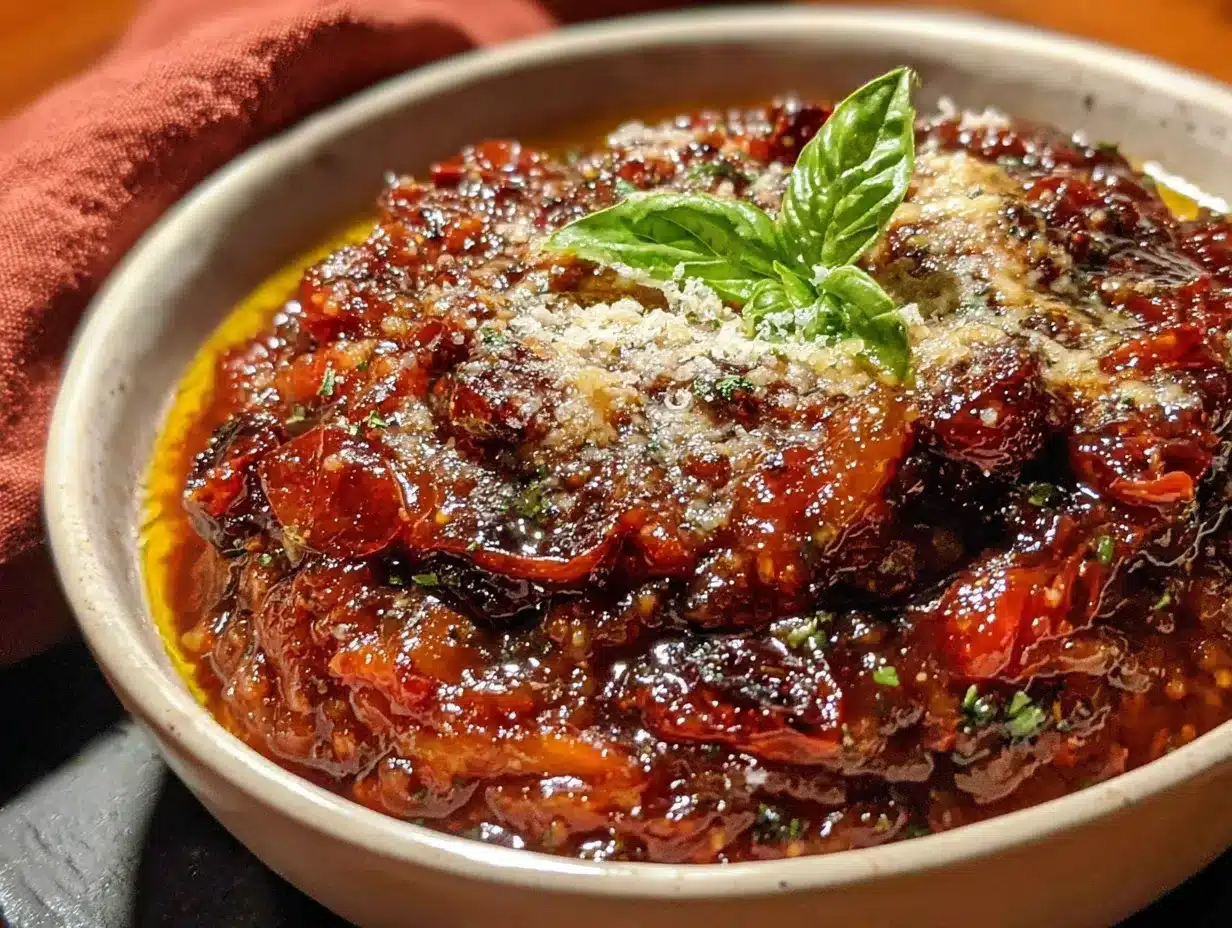
Let’s get cooking. This method is straightforward, but I’ve included all the little details that make the difference between good sauce and “I can’t stop eating this” sauce.
- Preheat your oven to 400°F (200°C). Give it a full 15 minutes to come to temperature. A properly hot oven is crucial for good caramelization.
- Prepare your sheet pan. Drizzle 1 tablespoon of olive oil onto your sheet pan. Add the whole peeled tomatoes (with their juices), the garlic cloves, and a pinch of salt and pepper. Toss everything gently with your hands or a spatula to coat the tomatoes and garlic in oil.
- Roast for 30-35 minutes. Place the pan in the preheated oven and roast until the tomatoes are softened, slightly wrinkled, and beginning to brown around the edges. The garlic should be golden and soft enough to squish with a fork. Halfway through, give the pan a gentle shake to redistribute everything.
- Add the basil. Remove the pan from the oven and scatter the fresh basil leaves over the hot tomatoes. The residual heat will wilt the basil and release its oils. Let it sit for 2 minutes—this is where the magic happens.
- Blend the sauce. Transfer the roasted tomatoes, garlic, wilted basil, and all the pan juices to a blender or use your immersion blender right in the pan. Add the balsamic vinegar and the remaining 1 tablespoon of olive oil. Blend until smooth. I like to leave it slightly chunky for texture, but blend longer if you prefer a silky sauce.
- Taste and adjust. This is the most important step. Add salt and pepper to taste. If the sauce tastes a little flat, a tiny splash more balsamic vinegar or a pinch of salt usually fixes it. If it’s too thick, add a tablespoon of pasta cooking water to loosen it up.
- Combine with pasta. Cook your pasta according to package directions until al dente. Reserve about 1/2 cup of pasta water before draining. Return the drained pasta to the pot, add the sauce, and toss over low heat for 1-2 minutes, adding pasta water a tablespoon at a time until the sauce coats the noodles perfectly.
Pro tip: Don’t skip the final tossing step. This emulsifies the sauce with the pasta water and makes everything silky and restaurant-quality. I learned this the hard way after serving sauce that just slid off the noodles.
Cooking Tips & Techniques
After making this sauce more times than I can count, I’ve collected a few hard-won lessons. Here’s what I wish someone had told me from the start.
Don’t overcrowd the pan. If you’re tempted to double the recipe, use two sheet pans instead of one. When tomatoes are piled on top of each other, they steam instead of roast, and you lose that beautiful caramelization. I made this mistake on batch number one and ended up with watery sauce.
Let the garlic get really soft. Under-roasted garlic is sharp and overpowering. You want it so soft that it practically melts when you press it. If your garlic cloves are on the larger side, give them a head start by roasting for 5 minutes before adding the tomatoes.
Resist the urge to stir too much. I know it’s tempting to check on things, but every time you open the oven door, you lose heat. Trust the process. Let those tomatoes sit still and concentrate their flavor.
Use good tomatoes. This is not the recipe to use the cheapest canned tomatoes you can find. Since there are so few ingredients, the quality of your tomatoes matters enormously. San Marzano tomatoes are worth the extra dollar or two—I promise you’ll taste the difference.
Save your pasta water. That starchy, salty water is liquid gold. It helps the sauce cling to the pasta and gives it a silky texture. I always reserve a full cup, even if I only end up using a few tablespoons. Better to have extra than to be scrambling.
Variations & Adaptations
This recipe is wonderfully flexible. Here are some variations I’ve tried and loved.
Vegan & Dairy-Free: This sauce is naturally vegan and dairy-free as written. The roasted tomatoes and olive oil create a creamy texture without any cream at all. If you want an even richer sauce, stir in a tablespoon of cashew cream or coconut cream at the end.
Spicy Arrabbiata Style: Add 1/2 teaspoon of red pepper flakes along with the tomatoes before roasting. The heat mellows slightly during roasting but leaves a pleasant warmth. I make this version when I want something with a little kick.
Herb Garden Variation: Swap half the basil for fresh oregano or thyme. Roast the woody herbs (thyme, oregano) with the tomatoes, but add tender herbs like basil or parsley after roasting to preserve their freshness. I tried this with oregano from my neighbor’s garden, and it was incredible.
Roasted Vegetable Addition: Add a halved red bell pepper or a small zucchini (cut into chunks) to the sheet pan with the tomatoes. Roast everything together, then blend as usual. This adds natural sweetness and stretches the sauce even further.
No-Oven Method: If it’s too hot to turn on the oven, you can make this on the stovetop. Simmer the tomatoes and garlic in a covered skillet over medium-low heat for 20-25 minutes, stirring occasionally. The flavor won’t be quite as concentrated, but it’s still delicious in a pinch.
Serving & Storage Suggestions
This sauce is incredibly versatile. Here’s how to make the most of it.
Serving: Toss with your favorite pasta—spaghetti, fettuccine, or penne all work beautifully. I also love spooning it over creamy polenta or using it as a base for homemade pizza. For a lighter meal, serve it over zucchini noodles or with crusty bread for dipping.
Temperature: Serve the sauce hot, right after tossing with pasta. If you’re making it ahead, reheat gently on the stovetop over low heat, adding a splash of water or pasta water to loosen it up.
Storage: Store leftover sauce in an airtight container in the refrigerator for up to 5 days. The flavors actually deepen and meld together overnight, so it’s even better the next day. I often make a double batch just so I have leftovers for lunch.
Freezing: This sauce freezes beautifully. Pour cooled sauce into a freezer-safe container or zip-top bag, leaving a little room for expansion. It keeps for up to 3 months. Thaw overnight in the refrigerator and reheat gently. Pro tip: freeze in ice cube trays for individual portions—perfect for last-minute pasta cravings.
Reheating: Reheat thawed or refrigerated sauce in a small saucepan over medium-low heat, stirring occasionally. If it seems thick, add a tablespoon of pasta water or broth. Don’t microwave it straight from frozen; the texture can become watery.
Nutritional Information & Benefits
This sauce is as good for you as it tastes. Here’s the breakdown per serving (about 1/2 cup, sauce only, without pasta):
| Nutrient | Amount |
|---|---|
| Calories | 120 |
| Total Fat | 8g |
| Saturated Fat | 1g |
| Sodium | 380mg |
| Total Carbohydrates | 12g |
| Dietary Fiber | 3g |
| Sugars | 6g |
| Protein | 2g |
Health Benefits: Tomatoes are packed with lycopene, a powerful antioxidant that’s even more bioavailable when cooked. The olive oil adds heart-healthy monounsaturated fats, and garlic is known for its immune-supporting properties. This sauce is naturally gluten-free, dairy-free, and vegan, making it suitable for a wide range of dietary needs. It’s also low in added sugars—the sweetness comes entirely from the roasted tomatoes.
Conclusion
This small-batch roasted tomato basil pasta sauce has genuinely changed the way I think about weeknight dinners. It’s proof that you don’t need a long ingredient list or hours of simmering to create something deeply satisfying. The oven does the work, the blender does the finishing, and you get to enjoy a bowl of pasta that tastes like it came from a cozy Italian trattoria.
I love this recipe because it reminds me that good cooking isn’t about complexity—it’s about treating simple ingredients with care. A little heat, a little time, and a little attention to detail can transform canned tomatoes into something extraordinary. And honestly, isn’t that the kind of magic we all need more of in our kitchens?
I’d love to hear how this sauce turns out for you. Did you add your own twist? Serve it with something unexpected? Drop a comment below and let me know. And if you’re looking for more small-batch recipes that deliver big flavor, you might enjoy these mini lemon blueberry cheesecakes—they’re perfect for when you want dessert without a week’s worth of leftovers. Happy cooking, friends!
Frequently Asked Questions
Can I use fresh tomatoes instead of canned?
Absolutely. Use about 1 pound (450g) of ripe Roma or plum tomatoes. Cut them in half lengthwise and roast cut-side down for 5-10 minutes longer than the canned version. The flavor will be even more vibrant, though slightly less concentrated.
Why did my sauce turn out watery?
This usually happens when the tomatoes are overcrowded on the pan or when the oven isn’t hot enough. Make sure your oven is fully preheated and that the tomatoes have space between them. If your sauce is still watery after blending, simmer it in a saucepan for 5-10 minutes to reduce it.
Can I make this sauce ahead of time?
Yes! This sauce is actually better the next day. Make it up to 5 days in advance and store it in the refrigerator. The flavors meld and deepen overnight. Reheat gently on the stovetop before serving.
Is this sauce freezer-friendly?
Definitely. Freeze the cooled sauce in airtight containers or zip-top bags for up to 3 months. Thaw overnight in the refrigerator and reheat gently. For single servings, freeze in ice cube trays and pop out as needed.
What pasta shapes work best with this sauce?
This sauce clings beautifully to any pasta shape, but I especially love it with short, sturdy shapes like penne, rigatoni, or fusilli. The ridges and curves catch the sauce perfectly. For long pasta, spaghetti or fettuccine work wonderfully too. Check out our full recipe collection for more pasta inspiration.
Pin This Recipe!
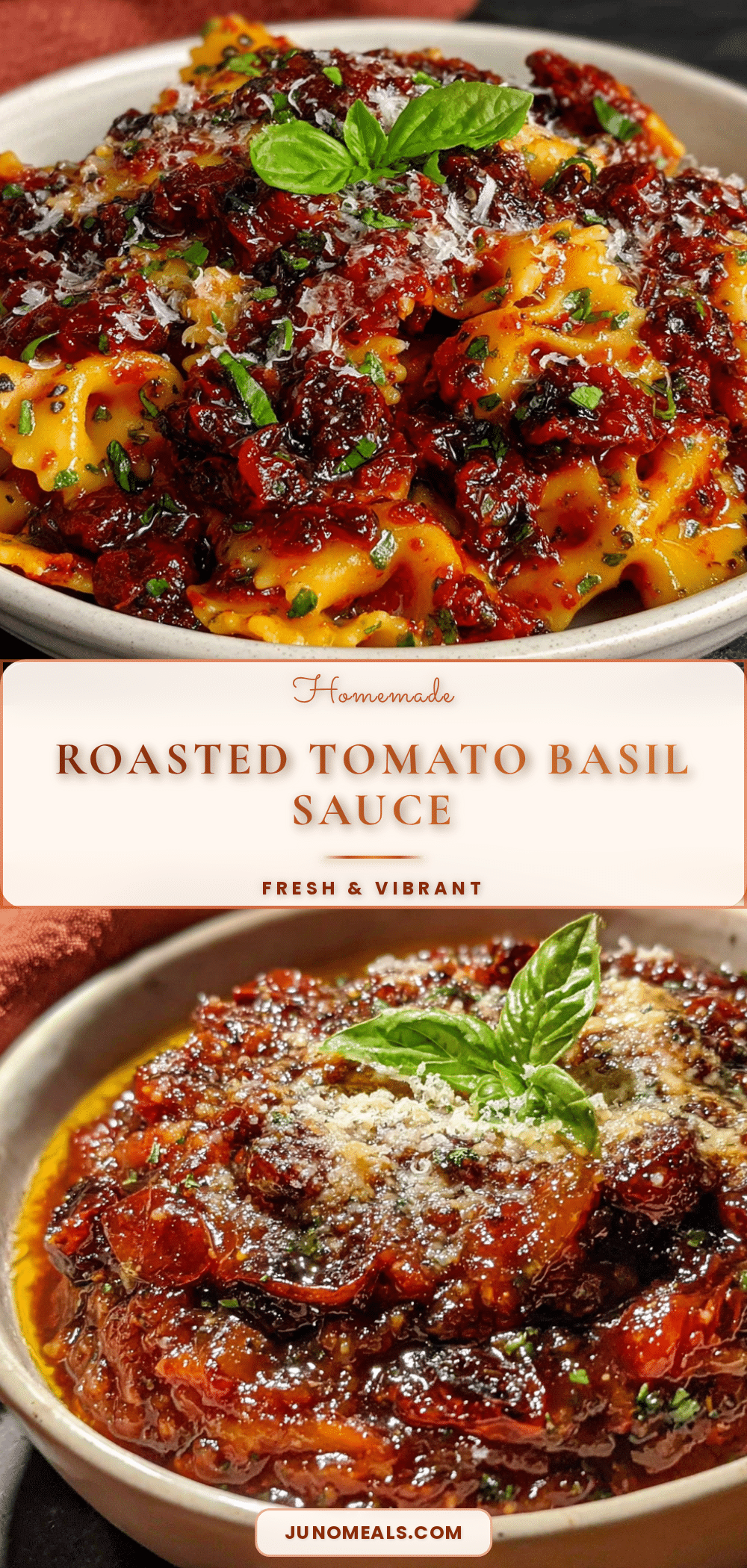
Best Small-Batch Roasted Tomato Basil Pasta Sauce
This small-batch roasted tomato basil pasta sauce is quick, easy, and packed with flavor. Roasting concentrates the sweetness of the tomatoes and mellows the garlic, creating a rich, complex sauce perfect for weeknight dinners.
- Prep Time: 10 minutes
- Cook Time: 35 minutes
- Total Time: 45 minutes
- Yield: 2 servings 1x
- Category: Main Course
- Cuisine: Italian
Ingredients
- 14 oz (400 g) canned whole peeled tomatoes (preferably San Marzano)
- 4–5 garlic cloves, peeled
- 1/4 cup (10 g) fresh basil leaves, loosely packed
- 2 tablespoons (30 ml) extra virgin olive oil
- 1/2 teaspoon (3 g) fine sea salt
- 1/4 teaspoon (1 g) black pepper, freshly cracked
- 1/4 teaspoon red pepper flakes (optional)
- 1 teaspoon (5 ml) balsamic vinegar
Instructions
- Preheat your oven to 400°F (200°C). Give it a full 15 minutes to come to temperature.
- Drizzle 1 tablespoon of olive oil onto a sheet pan. Add the whole peeled tomatoes (with their juices), garlic cloves, and a pinch of salt and pepper. Toss gently to coat.
- Roast for 30-35 minutes until tomatoes are softened, slightly wrinkled, and beginning to brown around the edges. The garlic should be golden and soft. Halfway through, give the pan a gentle shake.
- Remove the pan from the oven and scatter fresh basil leaves over the hot tomatoes. Let sit for 2 minutes to wilt.
- Transfer the roasted tomatoes, garlic, wilted basil, and pan juices to a blender or use an immersion blender. Add balsamic vinegar and remaining 1 tablespoon olive oil. Blend until smooth (or leave slightly chunky).
- Taste and adjust salt and pepper as needed. If too thick, add a tablespoon of pasta cooking water.
- Cook pasta according to package directions until al dente. Reserve about 1/2 cup pasta water before draining. Return drained pasta to pot, add sauce, and toss over low heat for 1-2 minutes, adding pasta water a tablespoon at a time until sauce coats noodles perfectly.
Notes
Don’t overcrowd the pan; use two sheet pans if doubling. Let garlic get very soft. Resist stirring too much. Use good-quality tomatoes. Save pasta water for silky sauce.
Nutrition
- Serving Size: 1/2 cup (sauce only,
- Calories: 120
- Sugar: 6
- Sodium: 380
- Fat: 8
- Saturated Fat: 1
- Carbohydrates: 12
- Fiber: 3
- Protein: 2
Keywords: roasted tomato basil pasta sauce, small batch pasta sauce, easy pasta sauce, homemade tomato sauce, quick pasta sauce, vegan pasta sauce, gluten-free pasta sauce