I met Marguerite at the community garden behind the old church on Elm Street. I was there to pick up my weekly CSA share, and she was there to check on her tomatoes. She watched me struggling to balance two bags of kale, a bunch of beets, and a massive head of cabbage, and she didn’t say anything at first. Then she just shook her head, laughed, and said, “You need a recipe that makes you look like you tried without actually trying.” She handed me a crumpled index card with this garlic butter salmon recipe scrawled on it. The paper was stained and soft, like it had been used a hundred times.
I’ll be honest with you—I almost lost that card. A week later, I was cleaning out my bag and found it crumpled at the bottom, next to a forgotten lip balm and a receipt from Tuesday. I smoothed it out on the counter, read her note at the bottom that said “trust the butter,” and decided to make it for a small dinner party that Friday. The power went out halfway through prepping the asparagus. I mean, of course it did. I stood there in the dim kitchen, holding a stick of butter, wondering if the universe was trying to tell me something. But I lit a few candles, fired up the gas stove, and kept going.
That first bite was something else. The salmon came out perfectly flaky, the asparagus had this slight char from the pan, and the garlic butter sauce was honestly ridiculous. My guests didn’t even notice the candles weren’t intentional. They just kept asking for more. Maybe you’ve been there too—that moment when a recipe you weren’t sure about suddenly becomes your secret weapon. This garlic butter salmon with asparagus is exactly that. It’s the dish that makes people think you spent hours in the kitchen when you really just let good ingredients do their thing.
Why You’ll Love This Recipe
This garlic butter salmon with asparagus isn’t just another weeknight dinner. It’s the kind of meal that makes you look like a rockstar host without the stress. I’ve tested this recipe at least a dozen times, tweaking the butter-to-garlic ratio and the cooking time until it was just right. My sister-in-law, who is a professional chef, once asked me for the recipe after a family dinner. That’s when I knew it was a keeper.
- Quick & Easy: From start to finish, this comes together in under 30 minutes. Perfect for those evenings when guests are about to arrive and you’re still in your cooking clothes.
- Simple Ingredients: You probably already have garlic, butter, and lemon in your kitchen. No fancy grocery trips or obscure spices required.
- Perfect for Hosting: This dish looks impressive on a platter, scales easily for a crowd, and pairs beautifully with almost any side dish.
- Crowd-Pleaser: I’ve served this to picky eaters, seafood skeptics, and even my uncle who “doesn’t really like fish.” Everyone goes back for seconds.
- Unbelievably Delicious: The garlic butter sauce is the real star here. It coats every flake of salmon and every spear of asparagus in this rich, savory goodness.
What makes this recipe different from all the others? It’s the technique. Most recipes tell you to bake everything together on one sheet pan, which sounds convenient but often leaves you with soggy asparagus and overcooked salmon. This method uses a hot skillet to get that beautiful golden crust on the fish while keeping the inside tender and moist. The asparagus cooks right in the same pan, absorbing all that garlic butter goodness. It’s not just another version—it’s the best version I’ve found after years of trial and error.
This recipe isnt just good—it is the kind that makes you close your eyes after the first bite. Honestly, it’s comfort food reimagined. It’s healthier than a creamy pasta, faster than a braised meat dish, but with the same soul-soothing satisfaction. Perfect for impressing guests without stress, or turning a simple Thursday dinner into something memorable.
What Ingredients You Will Need
This recipe uses simple, wholesome ingredients to deliver bold flavor and satisfying texture without the fuss. Most of these are pantry staples, but I’ll share a few tips I’ve learned along the way.
- Salmon Fillets (4 fillets, about 6 ounces / 170g each): Look for fillets that are roughly the same thickness so they cook evenly. I prefer wild-caught salmon when I can find it, but farm-raised works beautifully too. If you’re using frozen salmon, make sure to thaw it completely in the refrigerator overnight and pat it dry with paper towels before cooking.
- Asparagus (1 bunch, about 1 pound / 450g): Choose asparagus spears that are bright green and firm, with tight tips. Thicker spears hold up better in the pan and are less likely to get mushy. Snap off the woody ends naturally—they’ll break right where the tender part begins.
- Unsalted Butter (4 tablespoons / 56g): I recommend using unsalted butter so you can control the salt level yourself. Let’s face it, salted butter can make things too salty, especially when you’re reducing the sauce. Kerrygold is my go-to brand for its rich flavor.
- Garlic (4-5 cloves, minced): Fresh garlic makes a huge difference here. Please don’t use the pre-minced stuff in a jar—it has a different flavor and can burn more easily. I mince mine by hand, but a garlic press works in a pinch.
- Lemon (1 large lemon): You’ll need both the zest and the juice. The zest adds brightness without the acidity, while the juice cuts through the richness of the butter. Roll the lemon on the counter before juicing to get the most out of it.
- Olive Oil (2 tablespoons / 30ml): Use a good quality extra virgin olive oil for searing the salmon. It has a higher smoke point than butter, so it helps create that golden crust without burning.
- Salt and Black Pepper (to taste): I use kosher salt for its clean flavor and easy pinch-ability. Freshly cracked black pepper is non-negotiable here—the pre-ground stuff just doesn’t have the same punch.
- Red Pepper Flakes (optional, 1/4 teaspoon): This adds a gentle warmth without making the dish spicy. I add it about half the time, depending on my mood and who I’m serving.
- Fresh Parsley (2 tablespoons, chopped): For garnish. It adds a pop of color and a fresh herbal note that balances the richness of the butter sauce.
Substitution Guidance: If you need a dairy-free option, use a high-quality vegan butter or ghee (which is technically dairy but has less lactose). For a lower-fat version, you can reduce the butter to 2 tablespoons, but honestly, the sauce is what makes this dish sing. You can also swap the asparagus for green beans or broccolini if asparagus isn’t your thing.
Equipment Needed
You don’t need a fancy kitchen to pull off this garlic butter salmon with asparagus. Here’s what I use every time I make it:
- Large Skillet (12-inch / 30cm): A cast-iron skillet is my first choice because it holds heat so well and gives the salmon a gorgeous crust. But a stainless steel or non-stick pan works perfectly too. Just make sure it’s large enough to fit all four fillets without crowding.
- Fish Spatula: This thin, slotted spatula is a game-changer for flipping delicate fish. It slides right under the fillet without breaking it apart. If you don’t have one, a regular thin spatula will work—just be gentle.
- Tongs: For turning the asparagus and handling the hot pan. I prefer silicone-tipped tongs so they don’t scratch my pans.
- Cutting Board and Sharp Knife: For mincing garlic, chopping parsley, and trimming the asparagus. A sharp knife makes all the difference—dull knives are dangerous and frustrating.
- Microplane or Zester: For getting that fine lemon zest without the bitter white pith. I bought mine for five dollars at a discount store, and it’s still going strong after years of use.
- Paper Towels: Patting the salmon dry is a crucial step that many people skip. Wet salmon won’t sear properly—it’ll steam instead of getting that beautiful golden crust.
Budget-Friendly Tip: If you don’t own a cast-iron skillet, check your local thrift store. I found my favorite one for eight dollars, and it works better than any expensive new pan I’ve ever used.
Preparation Method
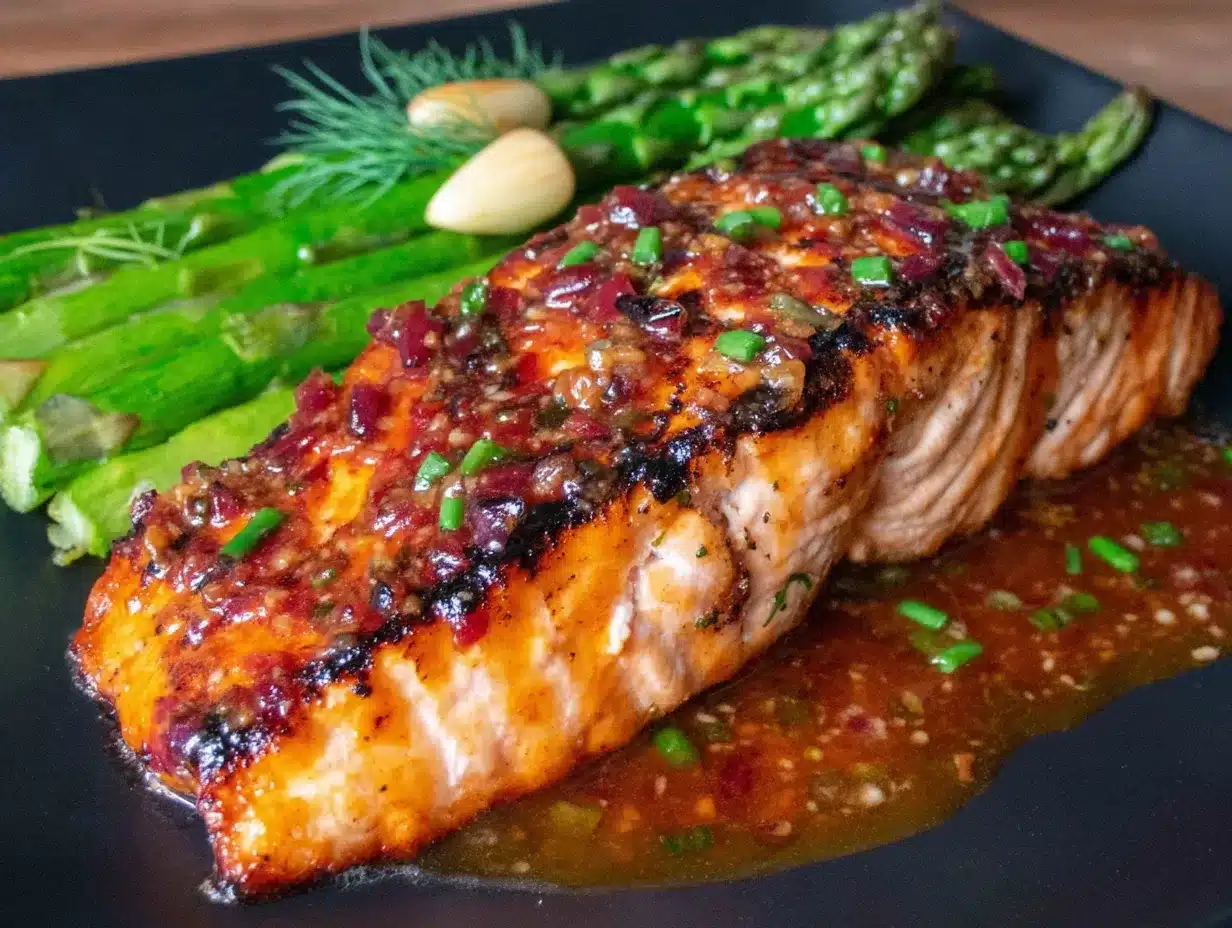
Let me walk you through this step by step. I’ve made this garlic butter salmon with asparagus so many times that I could do it in my sleep, but I still follow these same steps every time.
Step 1: Prep Your Ingredients
Take the salmon fillets out of the refrigerator about 15 minutes before you start cooking. This helps them cook more evenly. While they’re coming to room temperature, snap the woody ends off the asparagus. Just hold each spear near the bottom and bend it gently—it will naturally break where the tough part ends. Discard the ends. Mince your garlic, zest and juice your lemon, and chop your parsley. Pat the salmon fillets dry with paper towels. This is so important! Season both sides generously with salt and pepper.
Step 2: Sear the Salmon
Place your large skillet over medium-high heat and add the olive oil. Wait until the oil is shimmering but not smoking—about 2 minutes. Carefully place the salmon fillets in the pan, skin-side down if they have skin, or presentation-side down if they’re skinless. Listen for that satisfying sizzle. Cook without moving them for 4 minutes. I know it’s tempting to peek, but trust the process. The salmon will release easily from the pan when it’s ready to flip. If it sticks, give it another 30 seconds.
Step 3: Flip and Add Butter
Using your fish spatula, gently flip each fillet. The cooked side should be golden brown and gorgeous. Reduce the heat to medium and add the butter to the pan. As it melts, add the minced garlic and lemon zest. Tilt the pan slightly and use a spoon to baste the salmon with the melting garlic butter. Do this for about 2 minutes. The butter will bubble and foam, and your kitchen will smell absolutely incredible.
Step 4: Cook the Asparagus
Push the salmon to one side of the pan and add the asparagus spears to the other side. Season them with a pinch of salt and pepper. Cook for 3-4 minutes, turning occasionally with your tongs, until they’re bright green and slightly tender but still have a little bite. I like to let them get a few char marks—that’s where the flavor is. If the pan looks dry, add another tablespoon of butter or a splash of the lemon juice.
Step 5: Finish with Lemon and Parsley
Squeeze the lemon juice over everything in the pan. Sprinkle the red pepper flakes if you’re using them. Give the asparagus one final toss to coat it in the sauce. Remove the pan from the heat. The residual heat will continue cooking everything gently, so don’t leave it on the burner.
Step 6: Serve Immediately
Transfer the salmon and asparagus to a serving platter. Spoon any remaining garlic butter sauce from the pan over the top. Garnish with the fresh parsley. Serve right away while everything is hot and the butter is still glossy. This dish waits for no one!
Pro Tip: If you’re making this for a dinner party, you can prep everything in advance. Have the asparagus trimmed, the garlic minced, the lemon zested and juiced, and the parsley chopped. Store them in separate containers in the fridge. When your guests arrive, all you have to do is cook. It takes less than 15 minutes from pan to plate.
Cooking Tips & Techniques
I’ve made my fair share of mistakes with this dish, and I want you to learn from them so you don’t have to. Here are the things I wish someone had told me when I first started making garlic butter salmon with asparagus.
Don’t Overcrowd the Pan. This is the number one mistake I see people make. If your fillets are touching each other or the edges of the pan, they’ll steam instead of sear. You want that beautiful golden crust, not pale, sad fish. If you’re cooking for a crowd, sear the salmon in two batches and keep the first batch warm in a low oven (200°F / 95°C) while you finish the second.
Pat the Salmon Dry. I cannot stress this enough. Moisture is the enemy of a good sear. Take a few extra seconds to really dry those fillets with paper towels. I once forgot to do this when I was rushing for a dinner party, and the salmon turned out gray and unappetizing. My guests were too polite to say anything, but I knew.
Watch Your Garlic. Garlic burns quickly, especially in butter. That’s why we add it after flipping the salmon, not before. Burnt garlic tastes bitter and acrid, and it can ruin the whole dish. If you notice the garlic starting to brown too fast, remove the pan from the heat for a few seconds to cool it down.
Use a Thermometer if You’re Unsure. Salmon is perfectly cooked when it reaches an internal temperature of 125°F (52°C) for medium-rare or 135°F (57°C) for medium. I use an instant-read thermometer when I’m cooking for guests because I want it to be perfect. The fish should flake easily with a fork but still look slightly translucent in the center.
Timing is Everything. The asparagus and salmon finish at about the same time, which is why this recipe works so well for hosting. While the salmon is searing on the first side, you have exactly 4 minutes to set the table, pour some wine, or check on your guests. When you flip the fish and add the butter, you have another 4-5 minutes to toss the asparagus in. It’s almost like the recipe was designed for multitasking.
Variations & Adaptations
One of the things I love about this garlic butter salmon with asparagus is how versatile it is. Here are some variations I’ve tried and loved.
Lemon-Herb Variation: Add a tablespoon of fresh dill or thyme along with the parsley. The herbs complement the lemon and garlic beautifully. I made this version for a spring brunch, and everyone asked for the recipe.
Spicy Cajun Twist: Before searing, rub the salmon fillets with a teaspoon of Cajun seasoning. The smoky, spicy flavors pair surprisingly well with the garlic butter. My brother-in-law, who loves heat, requests this version every time he visits.
Dairy-Free Adaptation: Replace the butter with a high-quality vegan butter or use ghee if you can tolerate clarified dairy. I’ve also made this with coconut oil, and while the flavor is different, it’s still delicious. Just be careful not to let the coconut oil get too hot.
Vegetable Swap: Not an asparagus fan? No problem. Green beans, broccolini, or even thick slices of zucchini work perfectly here. Just adjust the cooking time based on the vegetable you choose. Broccolini needs about 5 minutes, while zucchini slices need only 2-3 minutes.
Oven-Baked Version: If you’re cooking for a larger crowd, you can adapt this for the oven. Preheat your oven to 400°F (200°C). Place the seasoned salmon and asparagus on a baking sheet lined with parchment paper. Dot with butter and minced garlic. Bake for 12-15 minutes, then broil for 2 minutes to get some color. It’s not quite as good as the skillet version, but it’s still pretty fantastic.
Serving & Storage Suggestions
This dish is best served immediately, but let me share some tips for making it work for your dinner party or gathering.
Serving Temperature and Presentation: Serve the salmon and asparagus hot, straight from the pan to a warmed platter. I like to arrange the salmon fillets in the center and fan the asparagus around them. Drizzle any remaining garlic butter sauce over the top and finish with a sprinkle of fresh parsley and a few lemon slices. It looks like you spent an hour plating, but it takes about 30 seconds.
What to Serve Alongside: This dish pairs beautifully with simple sides that let the salmon shine. I often serve it with fluffy rice, crusty bread for soaking up the sauce, or a light green salad with a simple vinaigrette. For a heartier meal, try it with roasted potatoes or a creamy polenta. If you’re hosting a dinner party, a bottle of Sauvignon Blanc or a light Pinot Noir is a lovely pairing.
Storage Instructions: Leftovers can be stored in an airtight container in the refrigerator for up to 2 days. The asparagus will soften over time, but the flavor is still great. I don’t recommend freezing this dish—the texture of the salmon and asparagus will suffer.
Reheating Tips: The best way to reheat this is in a skillet over medium-low heat with a splash of water or chicken broth. Cover the pan with a lid and warm gently for 3-4 minutes. The steam will help rehydrate the fish without drying it out. Avoid the microwave if you can—it tends to overcook the salmon and make the asparagus mushy.
How Flavors Develop: Honestly, this dish is best fresh. The garlic butter sauce is at its peak when it’s just made, glossy and emulsified. However, if you have leftover sauce, it’s incredible drizzled over roasted vegetables or tossed with pasta the next day.
Nutritional Information & Benefits
This garlic butter salmon with asparagus isn’t just delicious—it’s packed with nutrients that make you feel good about what you’re eating.
| Nutrient | Per Serving (1 fillet + asparagus) |
|---|---|
| Calories | 420-480 kcal |
| Protein | 38-42 g |
| Fat | 28-32 g |
| Saturated Fat | 10-12 g |
| Carbohydrates | 6-8 g |
| Fiber | 2-3 g |
| Vitamin D | 15-20 mcg (75-100% DV) |
| Vitamin C | 15-20 mg (20-25% DV) |
| Iron | 2-3 mg (10-15% DV) |
Health Benefits: Salmon is one of the best sources of omega-3 fatty acids, which support heart health and reduce inflammation. Asparagus is rich in fiber, folate, and vitamins A, C, and K. The garlic has natural antibacterial properties, and the lemon provides a boost of vitamin C. This dish is naturally gluten-free and low in carbohydrates, making it suitable for many dietary preferences.
Dietary Considerations: This recipe is gluten-free and low-carb. For dairy-free, substitute the butter as mentioned above. It’s also suitable for pescatarian and Mediterranean diets. The main allergens are fish and dairy.
Personal Wellness Perspective: I love that this dish feels indulgent but is actually quite healthy. The butter adds richness, but the portion is reasonable, and the rest of the ingredients are whole, unprocessed foods. It’s the kind of meal that satisfies both your taste buds and your body.
Conclusion
This garlic butter salmon with asparagus has become my go-to recipe for so many occasions. It’s the dish I make when I want to impress without stress, when I want to feed my family something nourishing, or when I just need a reliable, delicious meal in under 30 minutes. Marguerite’s crumpled index card is now tucked into my own recipe box, stained and soft from use, just like the original.
I hope you give this recipe a try and make it your own. Maybe you’ll add a little more garlic, or skip the red pepper flakes, or serve it over a bed of creamy polenta. That’s the beauty of cooking—you get to adapt and experiment and find what works for you. Start with this version, and then let your taste buds guide you.
I’d love to hear how it turns out! Leave a comment below and let me know if your guests asked for seconds. Did you try any of the variations? Did you discover a new favorite side dish to serve alongside it? Share your experience—I read every comment, and your stories make my day. Happy cooking, friends!
Frequently Asked Questions
Can I use frozen salmon for this recipe?
Yes, you can use frozen salmon, but make sure to thaw it completely in the refrigerator overnight. Pat it very dry with paper towels before cooking to ensure a good sear. Frozen salmon tends to release more water as it cooks, so you might need to drain off some liquid halfway through cooking.
How do I know when the salmon is cooked through?
The easiest way is to use an instant-read thermometer. Salmon is perfectly cooked at 125°F (52°C) for medium-rare or 135°F (57°C) for medium. If you don’t have a thermometer, look for the fish to flake easily with a fork and have a slightly translucent center. It will continue cooking from residual heat after you remove it from the pan.
Can I make this recipe ahead of time for a party?
I recommend cooking this fresh for the best texture and flavor, but you can prep everything in advance. Trim the asparagus, mince the garlic, zest and juice the lemon, and chop the parsley. Store each component separately in the fridge. When your guests arrive, it takes less than 15 minutes to cook everything from start to finish.
What if I don’t have a large skillet?
If your skillet is too small to fit all four fillets without crowding, cook the salmon in two batches. After searing the first batch, keep it warm on a plate in a low oven (200°F / 95°C) while you cook the second batch. Add a little more butter and oil to the pan between batches.
Can I use a different type of fish?
Absolutely! This garlic butter sauce works beautifully with other firm fish like halibut, cod, or sea bass. Adjust the cooking time based on the thickness of the fillets. Thinner fillets like tilapia will cook faster, so keep a close eye on them to avoid overcooking.
Pin This Recipe!
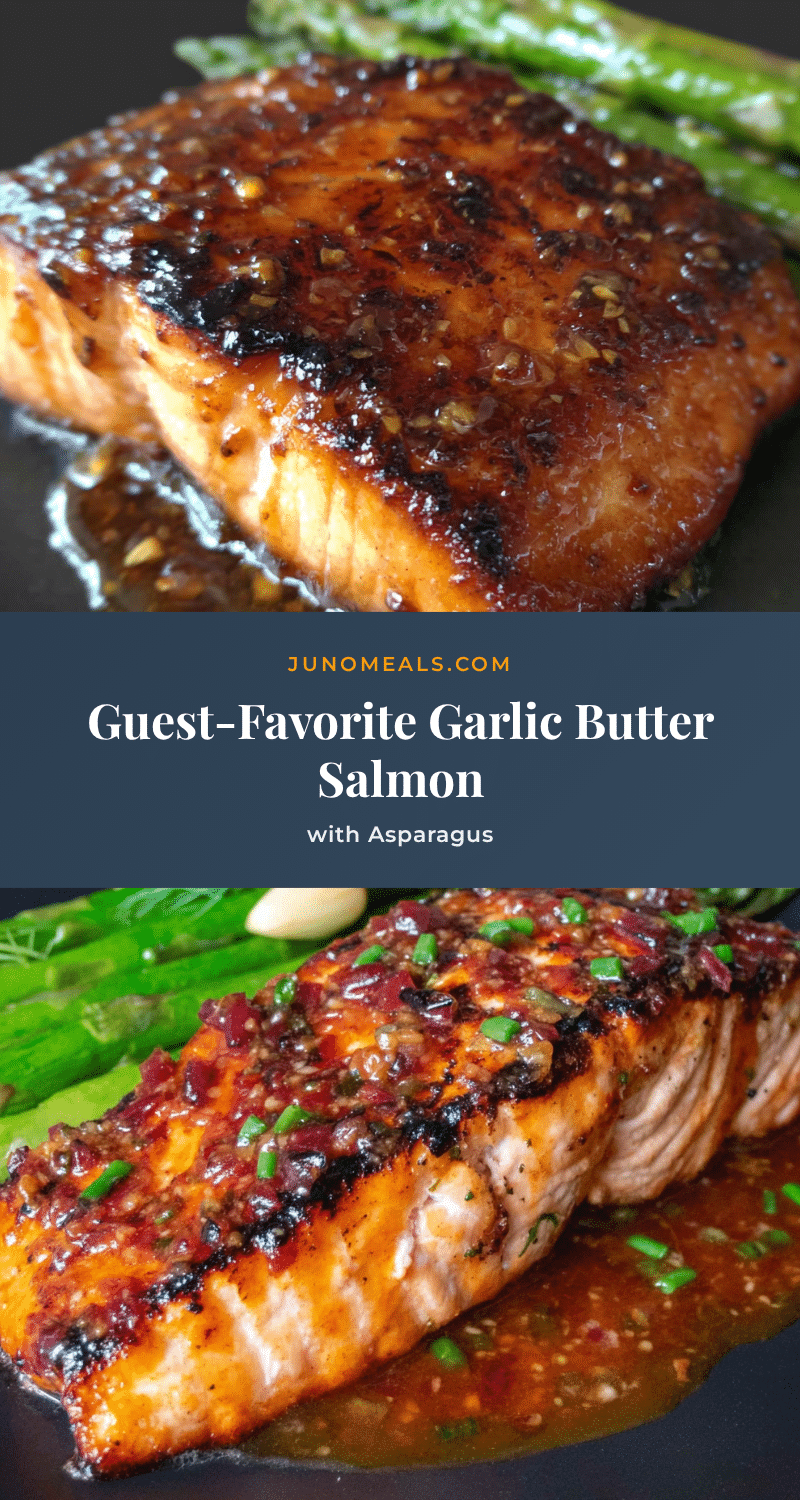
30-Minute Garlic Butter Salmon with Asparagus
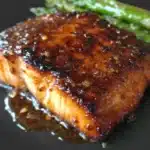
This garlic butter salmon with asparagus is a quick and easy weeknight dinner that looks impressive enough for guests. The salmon gets a golden crust in a hot skillet, while the asparagus cooks in the same pan, absorbing all the rich garlic butter sauce.
- Prep Time: 10 minutes
- Cook Time: 15 minutes
- Total Time: 25 minutes
- Yield: 4 servings 1x
- Category: Main Course
- Cuisine: American
Ingredients
- 4 salmon fillets (about 6 ounces / 170g each)
- 1 bunch asparagus (about 1 pound / 450g), woody ends snapped off
- 4 tablespoons unsalted butter (56g)
- 4–5 cloves garlic, minced
- 1 large lemon, zested and juiced
- 2 tablespoons olive oil (30ml)
- Salt and black pepper to taste
- 1/4 teaspoon red pepper flakes (optional)
- 2 tablespoons fresh parsley, chopped
Instructions
- Take the salmon fillets out of the refrigerator about 15 minutes before cooking. Snap the woody ends off the asparagus. Mince the garlic, zest and juice the lemon, and chop the parsley. Pat the salmon fillets dry with paper towels and season both sides generously with salt and pepper.
- Place a large skillet over medium-high heat and add the olive oil. Wait until the oil is shimmering but not smoking (about 2 minutes). Carefully place the salmon fillets in the pan, skin-side down if they have skin, or presentation-side down if skinless. Cook without moving them for 4 minutes.
- Using a fish spatula, gently flip each fillet. Reduce the heat to medium and add the butter to the pan. As it melts, add the minced garlic and lemon zest. Tilt the pan slightly and use a spoon to baste the salmon with the melting garlic butter for about 2 minutes.
- Push the salmon to one side of the pan and add the asparagus spears to the other side. Season with a pinch of salt and pepper. Cook for 3-4 minutes, turning occasionally, until bright green and slightly tender but still with a little bite. If the pan looks dry, add another tablespoon of butter or a splash of lemon juice.
- Squeeze the lemon juice over everything in the pan. Sprinkle the red pepper flakes if using. Give the asparagus one final toss to coat it in the sauce. Remove the pan from the heat.
- Transfer the salmon and asparagus to a serving platter. Spoon any remaining garlic butter sauce from the pan over the top. Garnish with fresh parsley. Serve immediately.
Notes
Pat the salmon dry for a good sear. Don’t overcrowd the pan. Add garlic after flipping to prevent burning. Use an instant-read thermometer for perfect doneness (125°F for medium-rare, 135°F for medium). Prep all ingredients in advance for a quick cook time.
Nutrition
- Serving Size: 1 fillet with aspara
- Calories: 450
- Sugar: 2
- Sodium: 400
- Fat: 30
- Saturated Fat: 11
- Carbohydrates: 7
- Fiber: 2.5
- Protein: 40
Keywords: garlic butter salmon, salmon with asparagus, 30-minute dinner, weeknight dinner, easy salmon recipe, garlic butter sauce, healthy salmon, gluten-free salmon