The maple syrup bottle was almost empty. Not totally—just enough for one last drizzle, maybe two if I was being careful. I had a butternut squash sitting on the counter that I bought on a whim three days ago, and a bag of pecans that were starting to whisper “use me or lose me.” Dinner was supposed to be something else entirely—something I had planned, prepped for, even looked forward to—but the day had other ideas. A long meeting ran late, the kids needed homework help, and by the time I got to the kitchen, my energy was gone. That planned dinner? Not happening.
So I stood there, staring at the squash like it might give me answers. And honestly? It kind of did. I remembered a side dish my aunt used to make around the holidays—simple, sweet, salty, with that nutty crunch that makes everything feel a little more special. I didn’t have her exact recipe, but I had the gist. Roast the squash, toss it with something sticky, add the pecans. Easy enough, right?
What came out of the oven was better than I expected. The edges of the squash caramelized into these little golden-brown bites that were almost candy-like. The pecans toasted right alongside, getting warm and fragrant. And that maple glaze? It coated everything in a way that felt intentional, not heavy. I stood at the counter eating straight from the pan—no plate, no shame. That’s when I knew this easy maple roasted butternut squash with pecans was going to become a regular thing. It solved the problem of what to make when you have almost nothing left, and it turned a lazy Tuesday into something that felt like a small celebration. That’s the kind of recipe that sticks with you.
Why You’ll Love This Recipe
Let me tell you why this easy maple roasted butternut squash with pecans is going to earn a permanent spot in your rotation. I’ve tested this more times than I care to admit—burned a batch, under-seasoned another, even tried it with honey instead of maple once (don’t do it, the flavor isn’t the same). Every tweak taught me something, and this version is the one I keep coming back to.
- Quick & Easy : From cutting board to table in under 40 minutes. The oven does most of the work while you relax.
- Simple Ingredients : You need exactly seven things—squash, pecans, maple syrup, olive oil, salt, pepper, and cinnamon. That’s it. No weird grocery store hunts.
- Perfect for Any Occasion : Works for weeknight dinners, Thanksgiving sides, meal prep lunches, or even a fancy brunch spread. It’s versatile like that.
- Crowd-Pleaser : I’ve served this to picky eaters, health-conscious friends, and kids who “don’t like vegetables.” Every single plate came back empty.
- Unbelievably Delicious : The contrast between soft, caramelized squash and crunchy toasted pecans is next-level comfort food. You’ll find yourself sneaking bites from the pan.
What makes this different from every other roasted squash recipe out there? It’s the technique. Most recipes tell you to toss everything together and roast it all at once. That sounds fine, but the pecans burn and the squash gets soggy. I figured that out the hard way. Instead, I roast the squash first, then add the pecans halfway through. The result? Perfectly tender squash with crispy nuts every single time. It’s a small change that makes a huge difference.
This recipe is the kind that makes you close your eyes after the first bite. It’s comfort food reimagined—healthier, faster, but with the same soul-soothing satisfaction. Perfect for impressing guests without stress, or turning a simple Tuesday dinner into something memorable. Honestly, it’s the side dish that steals the show.
What Ingredients You Will Need
This easy maple roasted butternut squash with pecans uses simple, wholesome ingredients to deliver bold flavor and satisfying texture without the fuss. Most of these are pantry staples or easy to find at any grocery store. Here’s what you need and why each one matters.
- Butternut Squash (1 medium, about 2-3 pounds) : The star of the show. Look for one that feels heavy for its size with firm, unblemished skin. I prefer to buy pre-cut cubes from the store on busy weeks—no judgment here. If you’re cutting it yourself, aim for 1-inch cubes so they cook evenly. (Pro tip: a sharp vegetable peeler makes quick work of the skin.)
- Pecans (1 cup, roughly chopped) : Use raw pecans, not pre-toasted or salted ones. You want control over the seasoning. I like buying pecan halves and chopping them myself—fresher flavor and you can adjust the size. (For the best texture, I recommend buying from a bulk bin at a store with high turnover.)
- Pure Maple Syrup (3 tablespoons) : This is not the time for pancake syrup. Get the real stuff—Grade A dark amber works beautifully. The flavor is richer and less watery. (I’ve tried this with honey and agave, and honestly, nothing beats real maple syrup for that deep, woodsy sweetness.)
- Extra Virgin Olive Oil (2 tablespoons) : Helps the squash caramelize and gives the pecans a beautiful sheen. You can substitute avocado oil if that’s what you have, but olive oil adds a subtle peppery note that complements the sweetness.
- Ground Cinnamon (1 teaspoon) : Warm, cozy, and perfect with maple. Fresh cinnamon makes a difference—if your jar is older than a year, it might be time to replace it. (I use Simply Organic brand for consistent quality.)
- Kosher Salt (½ teaspoon) : Don’t skip this. Salt balances the sweetness and makes the flavors pop. I use Diamond Crystal brand because the flakes are light and dissolve evenly.
- Black Pepper (¼ teaspoon, freshly ground) : A tiny bit of heat that cuts through the richness. Freshly ground pepper tastes brighter and more aromatic than pre-ground.
Optional add-ins for extra flair: A pinch of cayenne pepper for heat, fresh rosemary sprigs for an herbal note, or a drizzle of balsamic glaze right before serving. In the fall, I sometimes swap the cinnamon for pumpkin pie spice—it’s absolutely gorgeous.
Substitution guidance: If you’re nut-free, swap pecans for pumpkin seeds or sunflower seeds. For a lower-sugar version, reduce maple syrup to 2 tablespoons and add a pinch of stevia or monk fruit sweetener. Use certified gluten-free spices if needed—this recipe is naturally gluten-free as written.
Equipment Needed
You don’t need a fancy kitchen to make this easy maple roasted butternut squash with pecans. Here’s what I use and some alternatives if you’re working with less.
- Baking Sheet (1 large, rimmed) : A half-sheet pan (18×13 inches) is ideal. It gives the squash room to breathe so it roasts instead of steaming. If you only have a smaller pan, use two to avoid overcrowding. (My favorite is the Nordic Ware aluminum sheet pan—it’s affordable and heats evenly.)
- Parchment Paper or Silicone Baking Mat : Lining the pan makes cleanup a breeze. Parchment paper is cheap and disposable; silicone mats are reusable and eco-friendly. Either works great.
- Chef’s Knife (8-inch) : For cutting the squash. A sharp knife is non-negotiable here—butternut squash is dense and a dull blade is dangerous. If you don’t have a chef’s knife, a sturdy vegetable cleaver works too.
- Vegetable Peeler : A Y-shaped peeler is my go-to for removing squash skin quickly. Standard straight peelers work fine, but the Y-shape gives better control.
- Cutting Board : Use a large, stable board. I prefer wood because it’s gentler on knife blades, but plastic is fine and dishwasher-safe.
- Mixing Bowl (medium) : For tossing the squash with oil and spices. Any bowl works—just make sure it’s big enough to mix without spilling.
- Measuring Spoons : For the maple syrup, oil, and spices. I use stainless steel ones that don’t rust.
Budget-friendly tip: If you don’t have a vegetable peeler, you can microwave the whole squash for 2 minutes to soften the skin slightly, then cut it off with a knife. It’s a little messier but works in a pinch.
Preparation Method
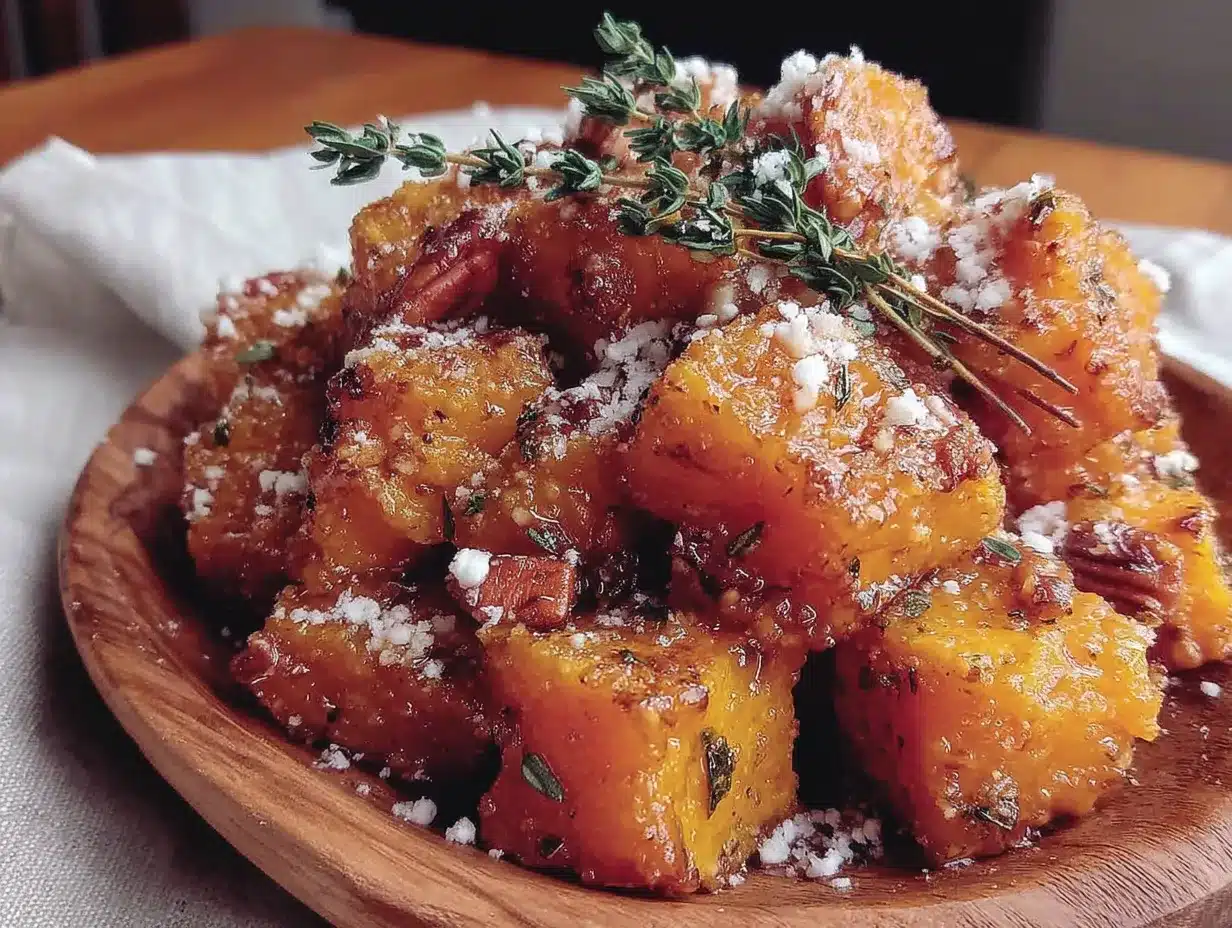
Ready to make the best easy maple roasted butternut squash with pecans of your life? Follow these steps and you’ll have a caramelized, nutty masterpiece in about 40 minutes.
- Preheat your oven to 400°F (200°C). Line a large baking sheet with parchment paper or a silicone mat. Getting the oven hot before you start is crucial—it ensures the squash starts roasting immediately instead of sitting in a lukewarm environment.
- Prep the butternut squash. Using a sharp chef’s knife, cut off both ends of the squash so you have flat surfaces. Stand it upright on the cutting board and slice it in half lengthwise. Scoop out the seeds and stringy bits with a spoon (save the seeds for roasting later if you’re feeling ambitious). Use a vegetable peeler to remove the skin, then cut the flesh into 1-inch cubes. Aim for uniform size so everything cooks evenly. This takes about 5-7 minutes the first time, but you’ll get faster with practice.
- Toss the squash with oil and spices. In a medium mixing bowl, combine the cubed squash, olive oil, cinnamon, salt, and pepper. Use your hands or a spatula to coat every piece evenly. The oil helps the spices stick and promotes caramelization. Don’t skip this step—dry squash won’t brown properly.
- Arrange the squash on the baking sheet. Spread the cubes in a single layer with a little space between each piece. If they’re touching too much, they’ll steam instead of roast. Use two sheets if needed. (I learned this the hard way after a batch of soggy squash—give them room to breathe!)
- Roast for 15 minutes. Place the sheet in the preheated oven and set a timer. After 15 minutes, remove the pan and flip each piece with a spatula. The undersides should be starting to turn golden. This is also when you add the pecans—scatter them evenly over the squash. They only need about 15-20 minutes total, so adding them now prevents burning.
- Drizzle with maple syrup and continue roasting. Drizzle the maple syrup over the squash and pecans, then return the pan to the oven. Roast for another 15-20 minutes, until the squash is fork-tender and the edges are caramelized and brown. The pecans should be fragrant and lightly toasted. Keep an eye on them in the last 5 minutes—nuts can go from perfect to burnt very quickly.
- Finish and serve. Remove the pan from the oven and let it cool for 2-3 minutes on the counter. The squash will continue to caramelize slightly as it rests. Transfer to a serving dish, scraping up any sticky bits from the parchment (those are pure flavor). Serve warm or at room temperature. Garnish with fresh thyme or a sprinkle of flaky sea salt if you’re feeling fancy.
Sensory cues to watch for: The squash should be easily pierced with a fork but not mushy. The pecans should smell nutty and toasty—that’s your cue they’re done. The maple syrup will look bubbly and slightly thickened around the edges of the pan. If you see any black spots on the pecans, pull them out immediately (they’re on the edge of burning).
Time-saving tip: Cut the squash up to 2 days ahead and store it in an airtight container in the fridge. You can also buy pre-cut butternut squash cubes from the grocery store—just look for fresh, firm pieces without any soft spots.
Cooking Tips & Techniques
After making this easy maple roasted butternut squash with pecans more times than I can count (and messing it up plenty along the way), I’ve gathered some tips that will save you from my mistakes.
Don’t overcrowd the pan. This is the number one mistake people make. If the squash cubes are packed too tightly, they release steam instead of roasting. The result? Soft, pale, sad squash. Give them space—about half an inch between each cube. If your pan looks crowded, use two sheets and rotate them halfway through.
Add pecans later, not sooner. I learned this one the hard way. The first time I made this, I tossed everything together and roasted it all at once. The pecans came out black and bitter while the squash was still undercooked. Now I add the pecans after the first 15 minutes of roasting. They get perfectly toasted without burning, and they absorb just enough maple syrup to be sweet without getting soggy.
Use room-temperature maple syrup. Cold syrup is thick and doesn’t spread evenly. If your syrup has been in the fridge, warm it slightly by placing the bottle in a bowl of hot water for 5 minutes. It’ll drizzle beautifully and coat the squash more evenly.
Flip halfway through for even browning. I know it’s tempting to just let the oven do its thing, but taking 30 seconds to flip the squash pieces halfway through roasting makes a noticeable difference. The undersides get just as caramelized as the tops. Set a timer so you don’t forget.
Watch the last 5 minutes like a hawk. Ovens vary wildly. Your 400°F might run hotter or cooler than mine. In the final minutes, the sugar in the maple syrup can go from caramelized to burnt in a flash. If you see the edges getting too dark, pull the pan out early. Slightly underdone is better than charcoal.
Let it rest before serving. I know you want to dig in immediately, but letting the squash sit for 2-3 minutes allows the glaze to set and the flavors to meld. Plus, you won’t burn your mouth. Patience pays off here.
Variations & Adaptations
One of the best things about this easy maple roasted butternut squash with pecans is how flexible it is. Here are some variations I’ve tried and loved.
- Savory Herb Version : Skip the cinnamon and maple syrup. Instead, toss the squash with olive oil, salt, pepper, fresh rosemary, and garlic powder. Roast as directed, then toss with toasted pecans and a squeeze of lemon juice. Perfect alongside roasted chicken or pork.
- Spicy Maple Version : Add ¼ teaspoon of cayenne pepper and a pinch of smoked paprika to the spice mix. The heat balances the sweetness beautifully. I make this version when I want something with a little kick—it’s incredible with grilled meats.
- Maple-Balsamic Version : Replace 1 tablespoon of maple syrup with balsamic vinegar. The acidity cuts through the richness and adds a tangy depth. Drizzle with extra balsamic glaze before serving for a restaurant-quality finish.
- Air Fryer Adaptation : Toss the squash with oil and spices, then air fry at 375°F for 12-15 minutes, shaking the basket halfway through. Add the pecans and maple syrup in the last 5 minutes. This method is faster and gives extra crispy edges. (I use a Cosori air fryer and it works perfectly.)
- Nut-Free Version : Replace pecans with pepitas (pumpkin seeds) or sunflower seeds. Toast them separately and add at the end to keep them crunchy. The flavor is different but still delicious.
- Low-Sugar Version : Use only 1 tablespoon of maple syrup and add a pinch of stevia or monk fruit sweetener. The squash’s natural sweetness will still shine through. This version is great for those watching their sugar intake.
I once made a version with fresh cranberries thrown in during the last 10 minutes of roasting. The cranberries burst and created little pockets of tartness that balanced the sweet maple perfectly. It was an accident—I had leftover cranberries from a holiday party—but it turned out so good that now I make it intentionally every November.
Serving & Storage Suggestions
This easy maple roasted butternut squash with pecans is incredibly versatile when it comes to serving and storing. Here’s everything you need to know.
Serving temperature: Serve warm or at room temperature. If you’re making it for a holiday meal, you can roast it ahead of time and let it sit on the counter for up to 2 hours before serving. The flavor actually improves as it cools—the maple glaze sets and the pecans stay crunchy.
Presentation ideas: Transfer the squash to a wide, shallow serving bowl or a wooden platter. Garnish with fresh thyme sprigs, a sprinkle of flaky sea salt (like Maldon), and an extra drizzle of maple syrup. For a pop of color, add some pomegranate arils or fresh parsley. It photographs beautifully for Pinterest and Instagram.
What to serve with it: This side dish pairs beautifully with roasted chicken, pork tenderloin, grilled salmon, or a simple green salad. It also works as a topping for grain bowls—try it over quinoa with arugula and goat cheese. For a holiday spread, serve it alongside mini lemon blueberry cheesecakes for a dessert that complements the warm, cozy flavors.
Storage instructions: Store leftovers in an airtight container in the refrigerator for up to 5 days. The squash will soften slightly, but the flavor will still be delicious. I actually love eating it cold straight from the fridge—it’s like a sweet, savory snack.
Reheating methods: The best way to reheat is in the oven at 350°F for 5-7 minutes. This restores some of the caramelization. You can also reheat in the microwave for 1-2 minutes, but the pecans will lose their crunch. If using the microwave, I recommend adding fresh pecans on top before serving. The air fryer also works great—reheat at 350°F for 3-4 minutes.
Freezing instructions: This recipe freezes surprisingly well. Let the squash cool completely, then transfer to a freezer-safe container or zip-top bag. Freeze for up to 3 months. To serve, thaw overnight in the refrigerator and reheat in the oven. Note that the pecans will soften during freezing, so I recommend adding fresh toasted pecans after reheating for the best texture.
Flavor development note: The flavors actually deepen after a day in the fridge. The maple syrup permeates the squash more fully, and the spices meld together. If you’re meal prepping for a holiday dinner, making this a day ahead is a smart move.
Nutritional Information & Benefits
This easy maple roasted butternut squash with pecans isn’t just delicious—it’s packed with nutrients that make you feel good about eating it.
Estimated nutritional values per serving (1 cup):
- Calories: 210
- Total Fat: 12g
- Saturated Fat: 1.5g
- Carbohydrates: 26g
- Fiber: 4g
- Sugar: 12g
- Protein: 3g
- Sodium: 150mg
- Vitamin A: 200% of Daily Value
- Vitamin C: 35% of Daily Value
- Magnesium: 15% of Daily Value
Health benefits of key ingredients: Butternut squash is loaded with beta-carotene, which your body converts to vitamin A—essential for eye health and immune function. It’s also a great source of fiber, which supports digestive health and keeps you feeling full. Pecans are rich in healthy monounsaturated fats, which are good for heart health, and they provide magnesium and zinc. Maple syrup contains antioxidants and minerals like zinc and manganese, though it should be used in moderation due to its sugar content.
Dietary considerations: This recipe is naturally gluten-free, dairy-free, and vegetarian. It can be made vegan by ensuring your maple syrup is certified vegan (most are). For a nut-free version, swap pecans for pumpkin seeds. For a lower-carb option, reduce the maple syrup to 1 tablespoon—the squash’s natural sweetness will still shine.
Potential allergens: This recipe contains tree nuts (pecans). If you have a nut allergy, use the substitutions mentioned above. The recipe is free of gluten, dairy, eggs, soy, and shellfish.
From a wellness perspective, this is the kind of recipe that feels indulgent but is actually good for you. It satisfies that craving for something sweet without relying on refined sugar, and the fiber and healthy fats keep you satisfied. I love serving it as a side dish because it adds color, flavor, and nutrition to any plate without feeling like “eating your vegetables.”
Conclusion
This easy maple roasted butternut squash with pecans is the kind of recipe that proves simple ingredients can create something truly special. It’s quick enough for a busy weeknight, elegant enough for a holiday table, and flexible enough to adapt to whatever you have on hand. The caramelized edges, the crunchy pecans, the warm maple glaze—every bite is a little moment of comfort.
I love this recipe because it taught me something important: you don’t need a complicated plan or a fully stocked pantry to make something memorable. Sometimes the best dishes come from what’s already sitting in your kitchen, waiting for you to notice them. That almost-empty maple syrup bottle? It was exactly enough.
Now I want to hear from you. Have you tried this recipe? Did you add your own twist? Maybe you swapped the pecans for walnuts or added a pinch of chili flakes? Drop a comment below and let me know how it turned out. Share your photos on Pinterest or Instagram and tag me—I love seeing your creations. And if you’re looking for more easy, delicious recipes, check out our full collection of recipes for more inspiration.
Until next time, happy cooking—and don’t forget to save a little maple syrup for yourself. You deserve it.
Frequently Asked Questions
Can I use frozen butternut squash for this recipe?
Yes, but with a caveat. Frozen squash releases more water during cooking, so it won’t caramelize as well. If using frozen, thaw it first and pat it dry with paper towels. You may need to roast it for an extra 5-10 minutes to get the edges golden. Fresh squash gives the best texture, but frozen works in a pinch.
How do I prevent the pecans from burning?
Add the pecans halfway through the roasting time, not at the beginning. They only need about 15-20 minutes in the oven. Also, keep an eye on them in the last 5 minutes—pecans can go from perfectly toasted to burnt very quickly. If you notice them getting too dark, remove the pan early and let the residual heat finish the job.
Can I make this recipe ahead of time?
Absolutely. Roast the squash up to 2 days ahead and store it in an airtight container in the fridge. Reheat in the oven at 350°F for 5-7 minutes before serving. For best results, add fresh toasted pecans just before serving to keep them crunchy. The flavors actually deepen overnight, so making it ahead is a great strategy for holiday meals.
What can I substitute for maple syrup?
Honey, agave syrup, or coconut nectar all work as substitutes, but the flavor will change slightly. Honey is sweeter and has a floral note, while agave is milder. For a sugar-free option, use a sugar-free maple syrup substitute or a monk fruit sweetener. Keep in mind that real maple syrup has a unique flavor that’s hard to replicate perfectly.
Is this recipe suitable for meal prep?
Yes, this recipe is excellent for meal prep. Roast a large batch on Sunday and use it throughout the week. Add it to salads, grain bowls, or eat it as a side dish with protein. Store in individual containers for easy grab-and-go lunches. The squash will soften slightly over time, but the flavor remains delicious. Just add fresh pecans before eating for the best texture.
Pin This Recipe!
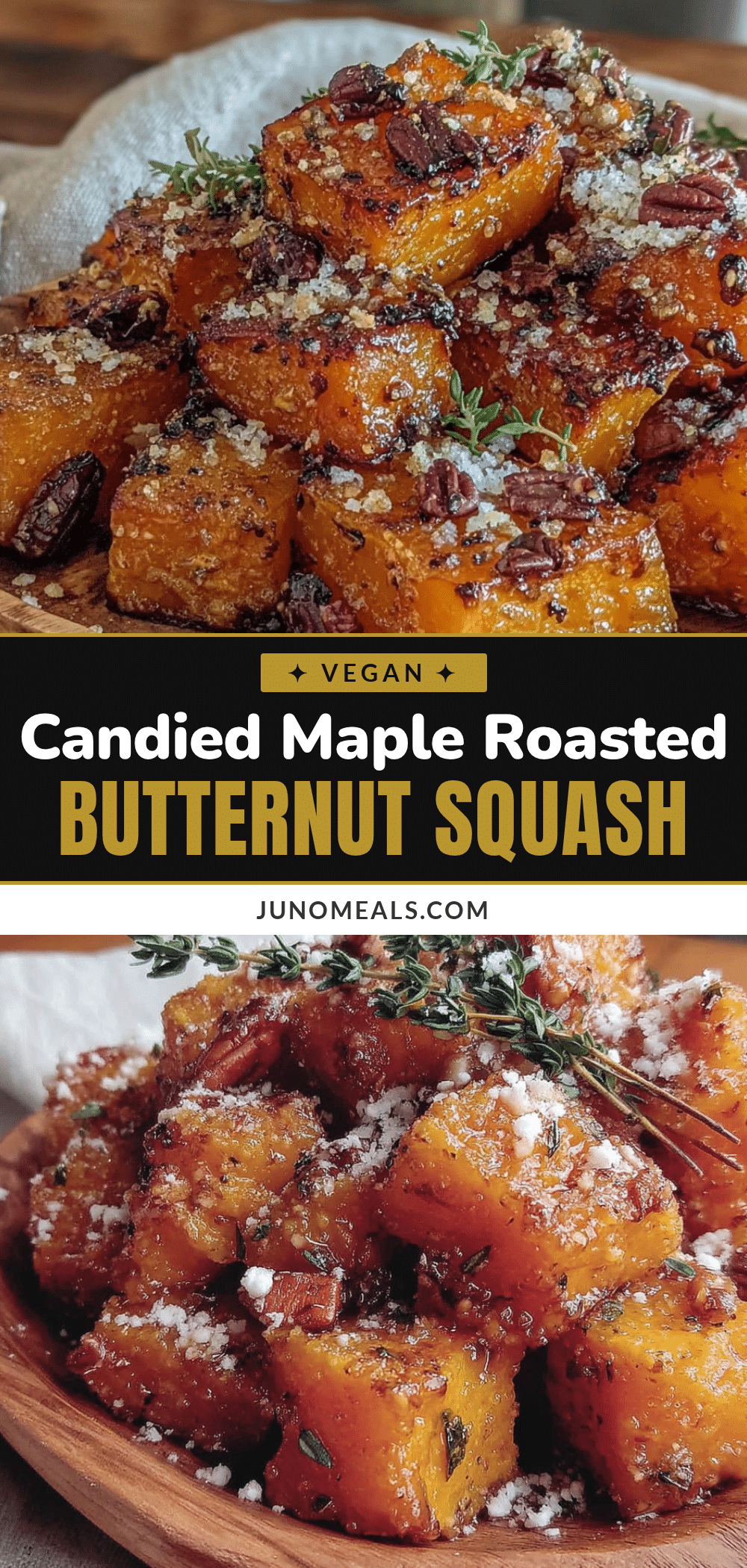
Easy Maple Roasted Butternut Squash with Pecans
This easy maple roasted butternut squash with pecans is a quick and delicious side dish featuring caramelized squash, crunchy pecans, and a warm maple glaze. Perfect for weeknight dinners or holiday feasts.
- Prep Time: 15 minutes
- Cook Time: 30 minutes
- Total Time: 45 minutes
- Yield: 4 servings 1x
- Category: Side Dish
- Cuisine: American
Ingredients
- 1 medium butternut squash (about 2–3 pounds), peeled and cut into 1-inch cubes
- 1 cup raw pecans, roughly chopped
- 3 tablespoons pure maple syrup
- 2 tablespoons extra virgin olive oil
- 1 teaspoon ground cinnamon
- ½ teaspoon kosher salt
- ¼ teaspoon freshly ground black pepper
Instructions
- Preheat your oven to 400°F (200°C). Line a large baking sheet with parchment paper or a silicone mat.
- Prep the butternut squash: Cut off both ends, stand upright, and slice in half lengthwise. Scoop out seeds and stringy bits. Use a vegetable peeler to remove the skin, then cut the flesh into 1-inch cubes.
- In a medium mixing bowl, toss the cubed squash with olive oil, cinnamon, salt, and pepper until evenly coated.
- Arrange the squash in a single layer on the prepared baking sheet, leaving space between pieces.
- Roast for 15 minutes. Remove the pan, flip each piece with a spatula, and scatter the pecans evenly over the squash.
- Drizzle the maple syrup over the squash and pecans. Return to the oven and roast for another 15-20 minutes, until the squash is fork-tender and the edges are caramelized. Watch closely in the last 5 minutes to prevent burning.
- Remove from the oven and let cool for 2-3 minutes. Transfer to a serving dish and serve warm or at room temperature. Garnish with fresh thyme or flaky sea salt if desired.
Notes
For best results, add pecans halfway through roasting to prevent burning. Use room-temperature maple syrup for even coating. Let the squash rest for 2-3 minutes before serving to allow the glaze to set. The flavors deepen after a day in the fridge, making this a great make-ahead dish.
Nutrition
- Serving Size: 1 cup
- Calories: 210
- Sugar: 12
- Sodium: 150
- Fat: 12
- Saturated Fat: 1.5
- Carbohydrates: 26
- Fiber: 4
- Protein: 3
Keywords: maple roasted butternut squash, roasted butternut squash with pecans, easy butternut squash recipe, maple glazed squash, holiday side dish, vegetarian side dish, gluten-free side dish