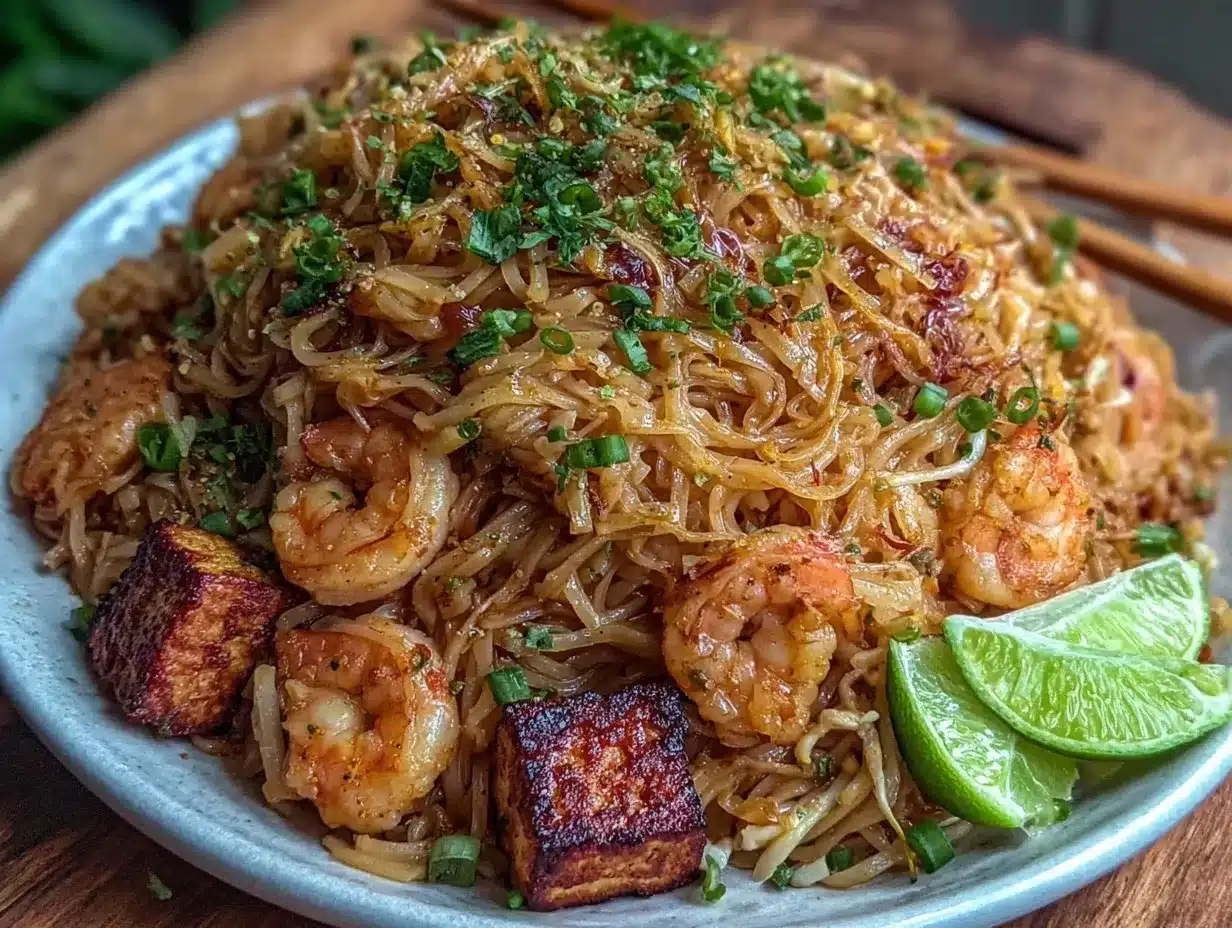
Let me tell you, the sizzling sound of rice noodles hitting a hot wok, mingled with the tangy aroma of tamarind sauce and the gentle crunch of crispy tofu, is enough to make anyone’s mouth water. The first time I made this flavorful authentic Pad Thai recipe with crispy tofu and shrimp, I was instantly hooked. It was one of those rare kitchen moments where everything just clicked—the perfect balance of sweet, sour, salty, and umami flavors danced on my tongue, and honestly, I paused mid-bite, took a deep breath, and just smiled because I knew I was onto something truly special.
Years ago, when I was knee-high to a grasshopper, Pad Thai was this mysterious street food I only dared to try on special occasions. But stumbling upon this recipe on a rainy weekend changed the game for me. My family couldn’t stop sneaking bites off the plate (and I can’t really blame them). It quickly became a go-to for cozy dinners, potlucks, and even those impromptu weeknight cravings where you want something that feels fancy but is dangerously easy to whip up.
You know what’s great? This Pad Thai recipe is pure, nostalgic comfort wrapped in a fresh, vibrant package. It’s perfect for brightening up your Pinterest recipe board and impressing your guests without any fuss. After testing it multiple times—in the name of research, of course—it’s now a staple for family gatherings and gifting. Trust me, this is the recipe you’re going to want to bookmark and keep coming back to.
Why You’ll Love This Recipe
Honestly, this flavorful authentic Pad Thai recipe with crispy tofu and shrimp is one of those dishes that ticks all the boxes. After countless trials and tweaks, I’m confident it’s a winner for busy home cooks and flavor seekers alike. Here’s why you’re going to love it:
- Quick & Easy: Comes together in under 30 minutes, perfect for busy weeknights or last-minute cravings.
- Simple Ingredients: No fancy grocery trips needed; you likely already have everything in your kitchen or local market.
- Perfect for Any Occasion: Whether it’s a casual dinner, a festive gathering, or a lunch that needs a little wow, this Pad Thai fits right in.
- Crowd-Pleaser: Kids and adults alike rave about the blend of textures—from crispy tofu to juicy shrimp and tender noodles.
- Unbelievably Delicious: The harmony of flavors and textures delivers that soul-satisfying taste that keeps you coming back for more.
What makes this Pad Thai recipe different? Well, it’s all about the crispy tofu—pan-fried to golden perfection—paired with succulent shrimp and a perfectly balanced homemade sauce. No bottled shortcuts here; the tamarind paste, fish sauce, and palm sugar come together to make the sauce sing. Plus, the method of soaking the rice noodles just right ensures they’re tender but not mushy. This isn’t just another Pad Thai—it’s your best version, the one that makes you close your eyes after the first bite and say, “Yep, this is it.”
Whether you’re trying to impress guests without sweating over complicated steps or just want a delicious, comforting meal that feels like a warm hug, this recipe has got you covered.
What Ingredients You Will Need
This Pad Thai recipe uses simple, wholesome ingredients that deliver bold flavor and satisfying texture without the fuss. Most are pantry staples or easy to find at your local Asian market. Here’s what you’ll need:
- For the Noodles & Protein:
- 6 ounces (170g) dried flat rice noodles (about ¼ inch wide)
- 8 ounces (225g) firm tofu, pressed and cut into ½-inch cubes (I recommend Nasoya for best texture)
- 8 ounces (225g) raw shrimp, peeled and deveined
- 2 large eggs, lightly beaten, room temperature
- For the Sauce:
- 3 tablespoons tamarind paste (look for a good-quality paste like Thai Kitchen)
- 3 tablespoons fish sauce (substitute with soy sauce for vegetarian version)
- 2 tablespoons palm sugar (can swap with brown sugar if needed)
- 1 tablespoon lime juice, freshly squeezed
- 1 teaspoon chili powder (adjust to taste)
- For the Garnishes & Veggies:
- 3 cloves garlic, minced
- 3 green onions, sliced thinly
- ½ cup bean sprouts, rinsed and drained
- ¼ cup roasted peanuts, roughly chopped
- Fresh cilantro leaves for garnish
- Wedges of lime for serving
- Oils & Extras:
- 3 tablespoons vegetable oil or peanut oil (for frying)
If you want to swap in almond flour for a gluten-free coating on the tofu or use coconut aminos instead of fish sauce, it works beautifully. And in the summer, I love adding a handful of fresh Thai basil or swapping bean sprouts for shredded carrots for a colorful twist. Simple, fresh, and versatile—that’s the beauty of this recipe.
Equipment Needed
To make this flavorful authentic Pad Thai, you’ll need just a handful of kitchen tools:
- Large Wok or Nonstick Skillet: A wok is ideal for tossing and frying, but a big skillet works fine too. I personally love my seasoned carbon steel wok for that smoky flavor.
- Large Bowl: For soaking the rice noodles.
- Spatula or Tongs: For stirring and flipping the tofu and noodles.
- Sharp Knife & Cutting Board: For prepping tofu, shrimp, and garnishes.
- Small Mixing Bowl: For whisking together the sauce ingredients.
If you don’t have a wok, no worries—just use your biggest skillet and keep the ingredients moving to avoid sticking. For budget-friendly options, a good-quality nonstick pan does the trick and cleans up easily. Also, pressing tofu with a tofu press or simply wrapping it in a clean towel and placing a heavy skillet on top works wonders to get that perfect crisp.
Preparation Method
- Prepare the Noodles (10 minutes): Place the dried flat rice noodles in a large bowl and cover with warm water (about 110°F / 43°C). Let them soak for 8-10 minutes until pliable but still firm to the bite. Drain and set aside. Be careful not to over-soak or they’ll turn mushy during cooking.
- Make the Sauce (5 minutes): In a small bowl, whisk together tamarind paste, fish sauce, palm sugar, lime juice, and chili powder until the sugar dissolves. Taste and adjust—the sauce should be a lively mix of tangy, sweet, salty, and spicy.
- Fry the Tofu (8 minutes): Heat 2 tablespoons of vegetable oil in your wok or skillet over medium-high heat. Add the tofu cubes in a single layer and fry until golden and crispy on all sides, about 3-4 minutes per side. Remove tofu and drain on paper towels.
- Cook the Shrimp (3-4 minutes): In the same wok, add a little more oil if needed and toss in the shrimp. Cook until pink and opaque, about 2 minutes per side. Remove and set aside.
- Sauté Garlic & Green Onions (1-2 minutes): Add remaining 1 tablespoon oil to the wok. Toss in minced garlic and green onions, stirring quickly until fragrant but not browned.
- Add Eggs (2 minutes): Push the garlic and onions to one side. Pour in the beaten eggs and scramble gently until just set but still soft.
- Combine Noodles & Sauce (3 minutes): Add the drained noodles to the wok, then pour the sauce over. Toss everything together vigorously for about 2-3 minutes, so the noodles soak up the sauce and start to caramelize slightly. This is the magic moment where flavors meld.
- Return Tofu & Shrimp to Wok (1 minute): Gently fold in the crispy tofu and shrimp, warming through without breaking the tofu.
- Finish with Bean Sprouts (30 seconds): Toss in the bean sprouts, stirring just until they’re warmed but still crunchy.
- Serve Immediately: Plate the Pad Thai and garnish with chopped peanuts, fresh cilantro, and lime wedges on the side.
Remember, cooking Pad Thai is all about moving quickly and keeping the heat high. If your noodles start sticking, splash a tiny bit of water or oil to loosen them up. And don’t be shy with the sauce—this is where the authentic flavor shines. Trust your nose and taste buds along the way.
Cooking Tips & Techniques
Let me share some hard-earned tips to make your Pad Thai turn out just right every time:
- Soak Noodles Properly: Soaking rice noodles in warm water—not hot—is key. Too hot and they get mushy; too cold and they won’t soften enough. The noodles should still have a little bite before cooking.
- Press Your Tofu Well: Pressing tofu removes excess moisture, so it fries up crisp instead of soggy. I usually wrap mine in paper towels and place a heavy skillet on top for at least 20 minutes.
- High Heat Is Your Friend: Pad Thai cooks fast and furious. Preheat your wok or skillet well so ingredients sizzle and cook quickly without steaming.
- Don’t Overcrowd the Pan: Fry tofu and shrimp in batches if needed. Crowding causes steaming and soggier results.
- Taste and Adjust Sauce: The perfect Pad Thai sauce balances sweet, sour, salty, and spicy. If you find it too tangy, add a bit more sugar. Too salty? Squeeze in a touch more lime juice.
- Use Fresh Lime Juice: Bottled lime juice just doesn’t cut it here. Fresh juice brightens the whole dish.
- Multitasking Helps: While noodles soak, prep your sauce and chop garnishes to speed things along.
Honestly, I’ve learned these lessons the hard way—burnt noodles, bland sauce, and mushy tofu included. But now, following these tips makes the whole process smooth and the results reliably delicious.
Variations & Adaptations
This Pad Thai recipe is wonderfully flexible and can be adapted to suit your tastes or dietary needs. Here are some ideas to try:
- Vegetarian/Vegan: Swap fish sauce for tamari or soy sauce, omit shrimp, and double the tofu or add extra veggies like bell peppers and snap peas.
- Gluten-Free: Use tamari instead of soy sauce, double-check tamarind paste ingredients, and ensure rice noodles are certified gluten-free.
- Spicy Kick: Add fresh chopped Thai chilies or a drizzle of chili garlic sauce for extra heat.
- Alternative Proteins: Try chicken, scallops, or even tempeh instead of shrimp and tofu.
- Cooking Method: For a lighter version, bake tofu cubes instead of frying—just toss with a little oil and bake at 400°F (200°C) for 20 minutes, flipping halfway.
Personally, one of my favorite variations is adding pineapple chunks along with the bean sprouts for a sweet contrast. It’s unexpected but so refreshing. Feel free to play around and make this recipe your own!
Serving & Storage Suggestions
This Pad Thai is best served immediately while the noodles are tender and tofu is crispy. Serve it at room temperature or slightly warm with extra lime wedges on the side for squeezing.
Pair it with a light Asian-inspired salad or a refreshing cucumber salad to balance the flavors. A cold Thai iced tea or a crisp beer complements the dish beautifully.
If you have leftovers (which might be rare!), store them in an airtight container in the refrigerator for up to 2 days. When reheating, add a splash of water or oil and warm gently in a skillet to bring back some of the crispness and prevent drying out.
Note that flavors mellow and deepen after resting, so some people actually prefer it the next day. Just add fresh garnishes before serving.
Nutritional Information & Benefits
This flavorful authentic Pad Thai recipe with crispy tofu and shrimp offers a well-rounded meal with protein, carbs, and healthy fats. Here’s an estimated breakdown per serving (makes 2-3 servings):
| Calories | 450-500 kcal |
|---|---|
| Protein | 30g (from tofu and shrimp) |
| Carbohydrates | 50g (mostly from rice noodles) |
| Fat | 15g (from oil and peanuts) |
The tofu provides plant-based protein and calcium, while shrimp adds lean protein and omega-3 fatty acids. Fresh lime juice and bean sprouts contribute vitamin C and fiber. This recipe is naturally gluten-free (just use gluten-free tamari) and can be adjusted for vegan diets. It’s a satisfying meal that feels indulgent but isn’t heavy, making it a smart choice for balanced eating.
Conclusion
So there you have it—this flavorful authentic Pad Thai recipe with crispy tofu and shrimp offers a delightful mix of textures and bold tastes that’s surprisingly easy to make at home. It’s a recipe worth trying again and again, whether you’re craving a cozy dinner or want to impress friends with your Asian cooking chops.
Feel free to customize it with your favorite veggies, proteins, or spice levels—the flexibility is part of the fun. Personally, I love how it brings a little sunshine and zest to any meal, and I hope you feel the same way after your first bite.
If you give this recipe a go, I’d love to hear how it turns out for you! Drop a comment below, share your tweaks, or pass it along to a friend who needs some delicious inspiration. Happy cooking—and remember, great food is all about enjoying the journey as much as the destination!
FAQs
What type of noodles is best for Pad Thai?
Flat rice noodles about ¼ inch wide are traditional and work best. They soften nicely when soaked and hold the sauce well without getting mushy.
Can I make Pad Thai without shrimp?
Absolutely! Swap shrimp for extra tofu, chicken, or keep it vegetarian by adding more veggies like bell peppers and mushrooms.
How do I get tofu crispy for Pad Thai?
Press the tofu to remove moisture, then pan-fry in hot oil until golden on all sides. Avoid overcrowding the pan to keep it crisp.
Is tamarind paste necessary for Pad Thai sauce?
Tamarind gives Pad Thai its signature tangy flavor, but if you can’t find it, you can substitute with a mix of lime juice and a bit of brown sugar, though the taste will be slightly different.
Can I prepare Pad Thai ahead of time?
You can soak the noodles and prep the sauce and ingredients in advance, but it’s best to cook just before serving to keep the tofu crispy and noodles fresh.
Pin This Recipe!
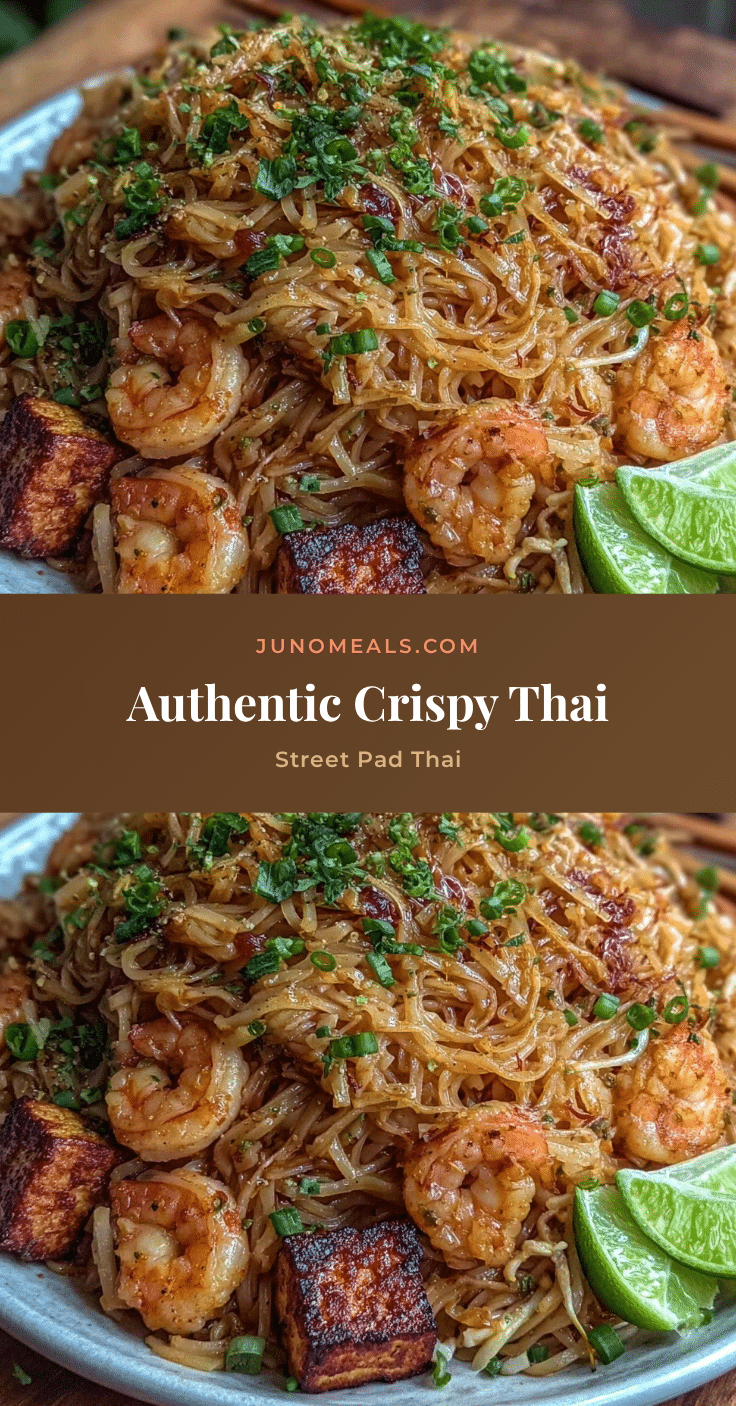
Flavorful Authentic Pad Thai Recipe with Crispy Tofu and Shrimp Made Easy

A quick and easy authentic Pad Thai recipe featuring crispy tofu and succulent shrimp, balanced with a tangy homemade sauce and fresh garnishes. Perfect for busy weeknights or impressing guests with bold, nostalgic flavors.
- Prep Time: 15 minutes
- Cook Time: 15 minutes
- Total Time: 30 minutes
- Yield: 2-3 servings 1x
- Category: Main Course
- Cuisine: Thai
Ingredients
- 6 ounces (170g) dried flat rice noodles (about ¼ inch wide)
- 8 ounces (225g) firm tofu, pressed and cut into ½-inch cubes
- 8 ounces (225g) raw shrimp, peeled and deveined
- 2 large eggs, lightly beaten, room temperature
- 3 tablespoons tamarind paste
- 3 tablespoons fish sauce (or soy sauce for vegetarian version)
- 2 tablespoons palm sugar (or brown sugar)
- 1 tablespoon lime juice, freshly squeezed
- 1 teaspoon chili powder (adjust to taste)
- 3 cloves garlic, minced
- 3 green onions, sliced thinly
- ½ cup bean sprouts, rinsed and drained
- ¼ cup roasted peanuts, roughly chopped
- Fresh cilantro leaves for garnish
- Wedges of lime for serving
- 3 tablespoons vegetable oil or peanut oil (for frying)
Instructions
- Place dried flat rice noodles in a large bowl and cover with warm water (about 110°F / 43°C). Soak for 8-10 minutes until pliable but still firm to the bite. Drain and set aside.
- In a small bowl, whisk together tamarind paste, fish sauce, palm sugar, lime juice, and chili powder until sugar dissolves. Taste and adjust seasoning.
- Heat 2 tablespoons vegetable oil in a wok or skillet over medium-high heat. Fry tofu cubes in a single layer until golden and crispy on all sides, about 3-4 minutes per side. Remove and drain on paper towels.
- In the same wok, add more oil if needed and cook shrimp until pink and opaque, about 2 minutes per side. Remove and set aside.
- Add remaining 1 tablespoon oil to wok. Toss in minced garlic and green onions, stirring quickly until fragrant but not browned.
- Push garlic and onions to one side. Pour in beaten eggs and scramble gently until just set but still soft.
- Add drained noodles to wok, pour sauce over, and toss vigorously for 2-3 minutes to soak up sauce and slightly caramelize.
- Gently fold in crispy tofu and shrimp, warming through without breaking tofu.
- Toss in bean sprouts, stirring just until warmed but still crunchy.
- Serve immediately, garnished with chopped peanuts, fresh cilantro, and lime wedges.
Notes
Soak noodles in warm water (not hot) to avoid mushiness. Press tofu well to remove moisture for crispiness. Cook on high heat and avoid overcrowding the pan. Adjust sauce seasoning to taste. Fresh lime juice is preferred over bottled. For gluten-free, use tamari and certified gluten-free noodles. Variations include baking tofu instead of frying and swapping proteins or veggies.
Nutrition
- Serving Size: Approximately 1 plat
- Calories: 475
- Sugar: 8
- Sodium: 900
- Fat: 15
- Saturated Fat: 2.5
- Carbohydrates: 50
- Fiber: 3
- Protein: 30
Keywords: Pad Thai, tofu, shrimp, authentic Thai recipe, crispy tofu, rice noodles, tamarind sauce, quick dinner, easy Asian recipe