Introduction
“You brought vegan mac and cheese? I didn’t expect much,” my friend joked as she eyed the steaming bowl I carried into our casual dinner hangout. Honestly, I wasn’t sure either when I first started experimenting with this creamy dairy-free mac and cheese with butternut squash sauce. I was craving comfort food but needed something gentle on my stomach and friendly for my lactose-intolerant friend. The idea came from a late-night rummage through the fridge—there was this lonely butternut squash staring back at me, and I thought, why not give it a whirl?
At first, I was skeptical about the texture and whether that subtle sweetness from the squash would pair well with the savory pasta. But after a few tries, it turned into something that felt like a cozy hug on a plate, rich and creamy without a hint of dairy. I remember sitting alone in my kitchen, fork paused mid-air, surprised that this simple dinner hack could feel so satisfying. That night, it became clear: this was a recipe worth sharing.
Since then, this creamy dairy-free mac and cheese with butternut squash sauce has become a staple in my rotation, especially when I want something quick, wholesome, and a little different than the usual. It’s a recipe that’s stuck around because it offers the kind of comfort food that feels good inside and out, and honestly, it’s one I keep coming back to when the craving hits.
Why You’ll Love This Recipe
This creamy dairy-free mac and cheese with butternut squash sauce isn’t just another plant-based pasta dish. It’s a recipe I’ve tested extensively, tweaked for texture, and shared with friends and family (who, surprise, actually ask for seconds). Here’s why it stands apart:
- Quick & Easy: You can have this on the table in under 30 minutes—perfect for those busy evenings when you want comfort without the wait.
- Simple Ingredients: No crazy specialty items here. Most of these ingredients are pantry staples or easy to find at any grocery store.
- Perfect for Weeknight Dinners: Whether you’re cooking for one or feeding a crowd, it’s a cozy, satisfying meal that pleases all ages.
- Crowd-Pleaser: The creamy texture and subtle sweetness mean even non-dairy skeptics tend to fall in love with it.
- Unbelievably Delicious: The butternut squash adds natural creaminess and a hint of sweetness that balances the savory flavors beautifully.
Unlike traditional mac and cheese, this recipe skips the heavy cream and cheese substitutes that can sometimes feel chalky or artificial. Instead, blending roasted butternut squash with nutritional yeast and a touch of garlic creates a velvety sauce that’s both nourishing and indulgent. It’s the kind of dish that makes you close your eyes with the first bite and feel like you’re treating yourself — but without any of the guilt.
What Ingredients You Will Need
This recipe uses simple, wholesome ingredients to deliver bold flavor and satisfying texture without the fuss. The butternut squash provides the creamy base, while nutritional yeast gives that cheesy, savory kick. Here’s what you’ll want to have on hand:
- Butternut squash: peeled and cubed (about 3 cups or 450g) – I recommend using fresh squash for the best natural sweetness, but frozen can work in a pinch.
- Uncooked elbow macaroni: 8 ounces (225g) – any pasta shape works, but elbows hold sauce nicely.
- Unsweetened almond milk: 1 cup (240ml) – use any dairy-free milk you prefer; cashew or oat milk work great too.
- Nutritional yeast: 1/4 cup (20g) – this is key for that cheesy flavor; I like the Red Star brand for its rich taste.
- Olive oil: 2 tablespoons – adds a silky finish to the sauce.
- Garlic: 2 cloves, minced – adds depth and warmth.
- Onion powder: 1 teaspoon – for subtle savoriness.
- Smoked paprika: 1/2 teaspoon – adds a slight smoky undertone, but optional.
- Lemon juice: 1 tablespoon – brightens the flavors and balances the sweetness.
- Salt and pepper: to taste – bring out all the flavors.
For a little extra creaminess, sometimes I add a tablespoon of tahini or cashew butter, especially when I’m craving a more indulgent texture. You can swap almond milk for coconut milk (light version) if you want a richer taste, but keep in mind it will bring a mild coconut flavor. If you want to keep it gluten-free, use a gluten-free pasta instead—I’ve had great results with brown rice or chickpea pasta.
Equipment Needed
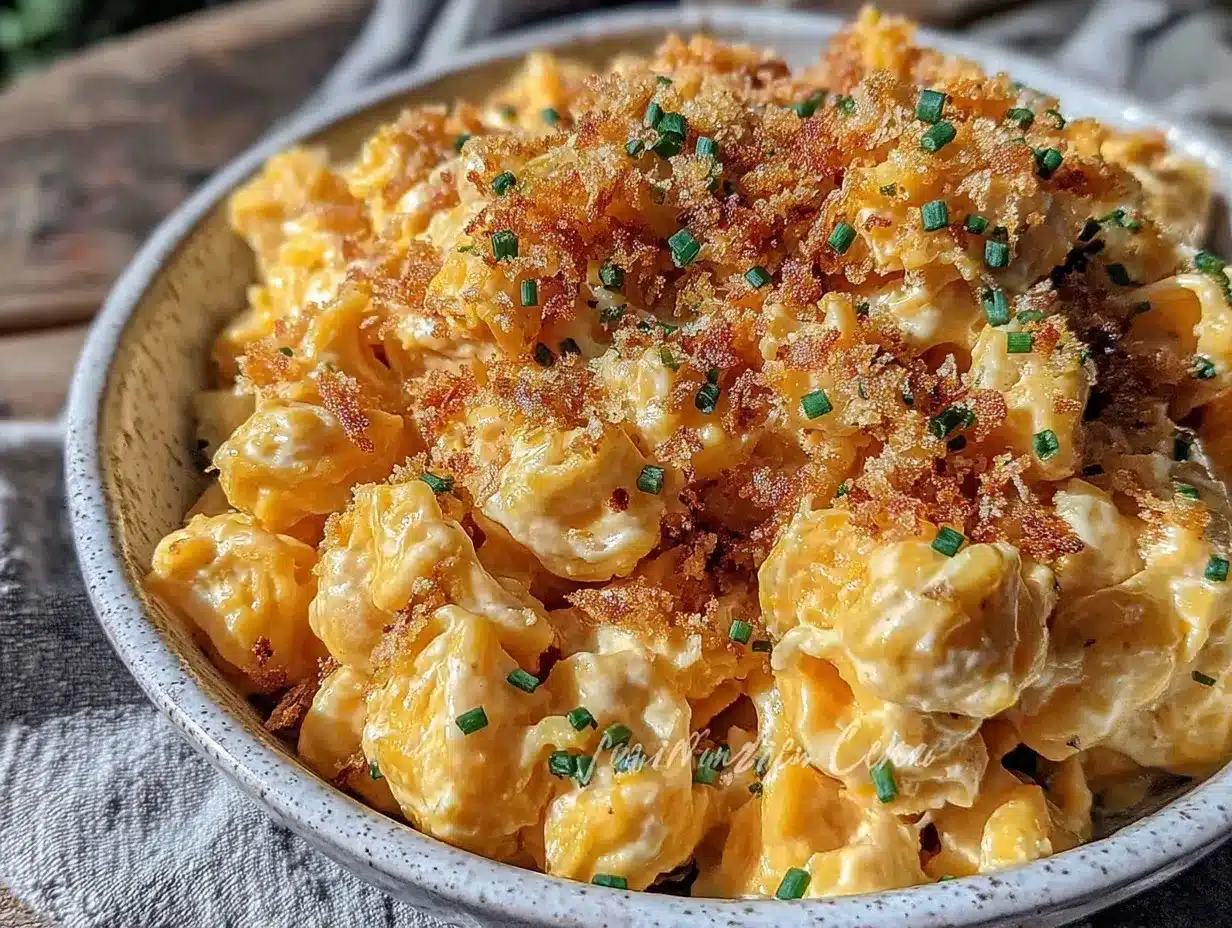
To make this creamy dairy-free mac and cheese with butternut squash sauce, you won’t need any fancy gadgets, but these tools make the process smoother:
- Medium pot: for boiling the pasta.
- Baking sheet: for roasting the butternut squash cubes — helps deepen their flavor.
- Blender or food processor: to puree the squash into a silky sauce. I usually use my trusty Vitamix, but a regular blender works just fine.
- Skillet or saucepan: to sauté garlic and mix everything together.
- Measuring cups and spoons: for accuracy.
Don’t have a blender? No worries! You can mash the roasted squash by hand with a fork or potato masher, though it won’t be as smooth. For roasting, if you don’t want to heat the oven, steaming the squash and then blending works too, but roasting adds a nice caramelized flavor. I find that keeping my blender blades sharp and cleaning the equipment right after use helps keep everything running smoothly, especially when dealing with thick sauces like this.
Preparation Method
- Roast the butternut squash: Preheat your oven to 400°F (200°C). Toss the peeled, cubed squash (about 3 cups/450g) with 1 tablespoon olive oil and a pinch of salt. Spread evenly on a baking sheet and roast for 25-30 minutes, turning halfway, until tender and lightly browned. (You want the squash to be soft enough to blend smoothly but not mushy.)
- Cook the pasta: While the squash roasts, bring a medium pot of salted water to a boil. Add 8 ounces (225g) elbow macaroni and cook according to package instructions until al dente (about 7-8 minutes). Drain, reserving 1/2 cup (120ml) of pasta water.
- Prepare the sauce base: In a blender, add the roasted butternut squash, 1 cup (240ml) unsweetened almond milk, 1/4 cup (20g) nutritional yeast, 1 tablespoon lemon juice, 1 teaspoon onion powder, 1/2 teaspoon smoked paprika (optional), and a pinch of salt and pepper. Blend until ultra-smooth and creamy. If the sauce is too thick, add reserved pasta water a tablespoon at a time until desired consistency is reached.
- Sauté garlic: In a skillet, heat 1 tablespoon olive oil over medium heat. Add 2 cloves minced garlic and sauté for about 1 minute until fragrant but not browned.
- Combine and heat: Pour the blended squash sauce into the skillet with garlic. Warm gently over medium-low heat, stirring frequently. Add the cooked macaroni and toss to coat evenly. If the sauce thickens too much, stir in a splash of reserved pasta water or almond milk to loosen it.
- Taste and adjust: Give the mac and cheese a taste and add salt, pepper, or more lemon juice as needed. If you want it cheesier, a bit more nutritional yeast can help.
- Serve: Spoon into bowls and enjoy immediately while warm and creamy.
Tip: Don’t overcook the pasta; al dente texture gives the best mouthfeel against the smooth sauce. Also, roasting the squash is key—it brings out a depth of flavor that steaming or boiling just can’t match. When blending, patience is your friend; blend long enough to get that silky texture. I often blend for about 1-2 minutes, scraping down the sides halfway through.
Cooking Tips & Techniques
One trick I learned the hard way is not to skip roasting the butternut squash. Steaming it might cook it, but roasting caramelizes the natural sugars and adds that subtle nutty depth that makes this sauce taste truly comforting. Also, don’t rush the blending step. The smoother the sauce, the creamier the final dish feels.
When mixing the sauce with pasta, keep the heat low to avoid curdling or drying out the sauce. If it thickens too much, don’t hesitate to add reserved pasta water bit by bit to loosen it up—it’s a classic pasta trick that works wonders here.
I’ve found that using nutritional yeast from a reliable brand makes a noticeable difference; some brands can be bitter or overpowering. It’s worth investing in a good quality one, especially if you plan to make this recipe regularly. Finally, seasoning is key. The lemon juice adds brightness that balances the sweetness of the squash, so don’t skip it, even if it feels unusual at first.
Last but not least, when you’re short on time, roasting the squash in a single layer on a hot baking sheet really speeds up caramelization. If you want to multitask, roasting the squash while boiling pasta saves several minutes overall.
Variations & Adaptations
This creamy dairy-free mac and cheese with butternut squash sauce is pretty versatile, so here are some ways to switch it up:
- Spicy Kick: Add a pinch of cayenne pepper or a splash of hot sauce for a warming heat that contrasts nicely with the creamy sauce.
- Herb Infusion: Stir in fresh herbs like thyme, sage, or rosemary during the sauce blending for an earthy twist.
- Protein Boost: Toss in cooked chickpeas, sautéed mushrooms, or crispy tofu cubes to turn this into a heartier meal.
- Seasonal Swap: Use pumpkin puree instead of butternut squash in the fall for a slightly different but still sweet and creamy base.
- Gluten-Free: Swap regular pasta for gluten-free options like brown rice or chickpea pasta without losing much in texture.
One variation I particularly enjoy is mixing in some steamed kale or spinach at the end for a pop of color and an extra nutrient punch. It’s a simple way to sneak in greens without overpowering the comforting flavor. Also, if you prefer a thicker sauce, adding a tablespoon of cashew butter during blending creates a richer mouthfeel.
Serving & Storage Suggestions
This mac and cheese is best enjoyed fresh and warm, when the sauce is at its creamiest and the flavors are lively. I often garnish with a sprinkle of fresh parsley or a few toasted pumpkin seeds for some texture contrast.
It pairs wonderfully with a crisp green salad or roasted vegetables and makes a lovely main or side dish. For a fun take, serve it alongside mini lemon blueberry cheesecakes as a sweet and savory combo during casual gatherings.
Leftovers keep well in an airtight container in the fridge for up to 3 days. When reheating, add a splash of almond milk or reserved pasta water to bring back the creamy texture and warm gently on the stove or microwave. Avoid overheating to prevent the sauce from drying out or becoming grainy.
Flavors mellow and meld beautifully after resting overnight, making this dish great for prepping ahead. Just give it a good stir before serving to refresh the sauce.
Nutritional Information & Benefits
This dairy-free mac and cheese recipe is not just comforting but packed with nutrients. Butternut squash is rich in beta-carotene, vitamin C, and fiber, which support immune health and digestion. Nutritional yeast adds B vitamins and a protein boost without dairy’s saturated fat.
Per serving (about 1 1/2 cups), you’re looking at roughly 350-400 calories, with 10-12 grams of protein depending on the pasta used, and plenty of vitamins from the squash and spices. It’s naturally gluten-free if you choose the right pasta, low in saturated fat, and free from common allergens like dairy and eggs.
For those watching their carbs, you can try swapping the pasta for spiralized zucchini or shirataki noodles to lower the carb count while keeping the creamy sauce front and center.
Conclusion
This creamy dairy-free mac and cheese with butternut squash sauce has become one of those recipes I turn to when I want that cozy comfort food feeling without the heaviness. It’s simple, satisfying, and flexible enough to fit plenty of dietary needs or flavor preferences. The way the roasted squash blends into a silky, subtly sweet sauce is just magic.
Whether you’re new to dairy-free cooking or a seasoned plant-based eater, I hope you find this recipe as comforting and enjoyable as I do. Feel free to tweak the spices or add your favorite mix-ins to make it your own. And if you’re interested in more easy, wholesome meals, you can always browse through my recipe collection for inspiration.
Give this one a try and let me know how it turns out—there’s something special about sharing a dish that feels like a warm, creamy hug in every bite.
Frequently Asked Questions
Is this mac and cheese completely dairy-free?
Yes! This recipe uses no dairy products at all. The creaminess comes from blended roasted butternut squash and nutritional yeast, making it safe for those avoiding dairy.
Can I use a different type of pasta?
Absolutely. While elbow macaroni works best for holding the sauce, any pasta shape you like will do. Gluten-free pasta also works if you need to avoid gluten.
How do I store leftovers?
Store leftovers in an airtight container in the refrigerator for up to 3 days. Reheat gently with a splash of almond milk or water to loosen the sauce.
Can I make this recipe ahead of time?
Yes, you can prepare the sauce and pasta separately and combine them just before serving. This helps keep the pasta from getting too soft.
What can I substitute for nutritional yeast?
Nutritional yeast gives a cheesy flavor, but if you don’t have it, you can try adding a little miso paste or vegan cheese shreds, though the flavor will be different.
Pin This Recipe!
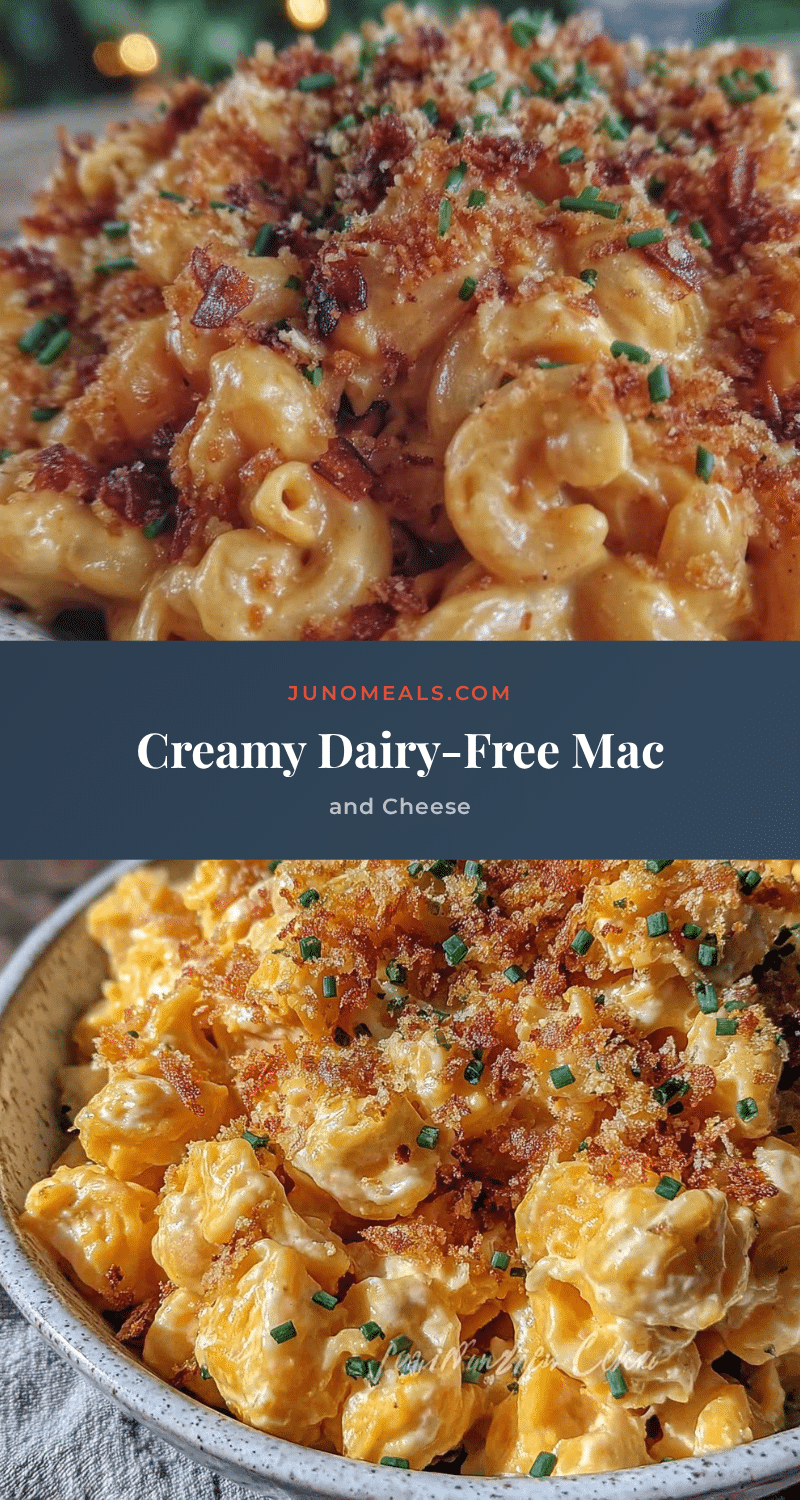
Creamy Dairy-Free Mac and Cheese Recipe with Butternut Squash Sauce Easy and Healthy

A comforting and creamy dairy-free mac and cheese made with roasted butternut squash sauce, nutritional yeast, and simple pantry ingredients. Perfect for a quick, wholesome, and lactose-intolerant friendly meal.
- Prep Time: 10 minutes
- Cook Time: 30 minutes
- Total Time: 40 minutes
- Yield: 4 servings 1x
- Category: Main Course
- Cuisine: American
Ingredients
- 3 cups (450g) peeled and cubed butternut squash
- 8 ounces (225g) uncooked elbow macaroni
- 1 cup (240ml) unsweetened almond milk
- 1/4 cup (20g) nutritional yeast
- 2 tablespoons olive oil
- 2 cloves garlic, minced
- 1 teaspoon onion powder
- 1/2 teaspoon smoked paprika (optional)
- 1 tablespoon lemon juice
- Salt and pepper to taste
- Optional: 1 tablespoon tahini or cashew butter for extra creaminess
Instructions
- Preheat oven to 400°F (200°C). Toss peeled, cubed butternut squash with 1 tablespoon olive oil and a pinch of salt. Spread on a baking sheet and roast for 25-30 minutes, turning halfway, until tender and lightly browned.
- While squash roasts, bring a medium pot of salted water to a boil. Cook elbow macaroni according to package instructions until al dente (about 7-8 minutes). Drain, reserving 1/2 cup (120ml) pasta water.
- In a blender, combine roasted butternut squash, almond milk, nutritional yeast, lemon juice, onion powder, smoked paprika (if using), salt, and pepper. Blend until smooth and creamy. Add reserved pasta water a tablespoon at a time if sauce is too thick.
- Heat 1 tablespoon olive oil in a skillet over medium heat. Sauté minced garlic for about 1 minute until fragrant but not browned.
- Pour blended squash sauce into skillet with garlic. Warm gently over medium-low heat, stirring frequently.
- Add cooked macaroni to skillet and toss to coat evenly. If sauce thickens too much, add reserved pasta water or almond milk to loosen.
- Taste and adjust seasoning with salt, pepper, lemon juice, or more nutritional yeast as desired.
- Serve immediately while warm and creamy.
Notes
Roasting the butternut squash is key to developing a deep, caramelized flavor. Blend the sauce long enough to achieve a silky texture. Use reserved pasta water to adjust sauce consistency and keep heat low when combining sauce and pasta to avoid drying out. Nutritional yeast quality affects flavor; choose a reliable brand. Optional additions include tahini or cashew butter for extra creaminess, and gluten-free pasta for dietary needs.
Nutrition
- Serving Size: About 1 1/2 cups per
- Calories: 375
- Sugar: 5
- Sodium: 250
- Fat: 10
- Saturated Fat: 1.5
- Carbohydrates: 60
- Fiber: 6
- Protein: 11
Keywords: dairy-free mac and cheese, vegan mac and cheese, butternut squash sauce, dairy-free comfort food, lactose-free pasta recipe, plant-based mac and cheese